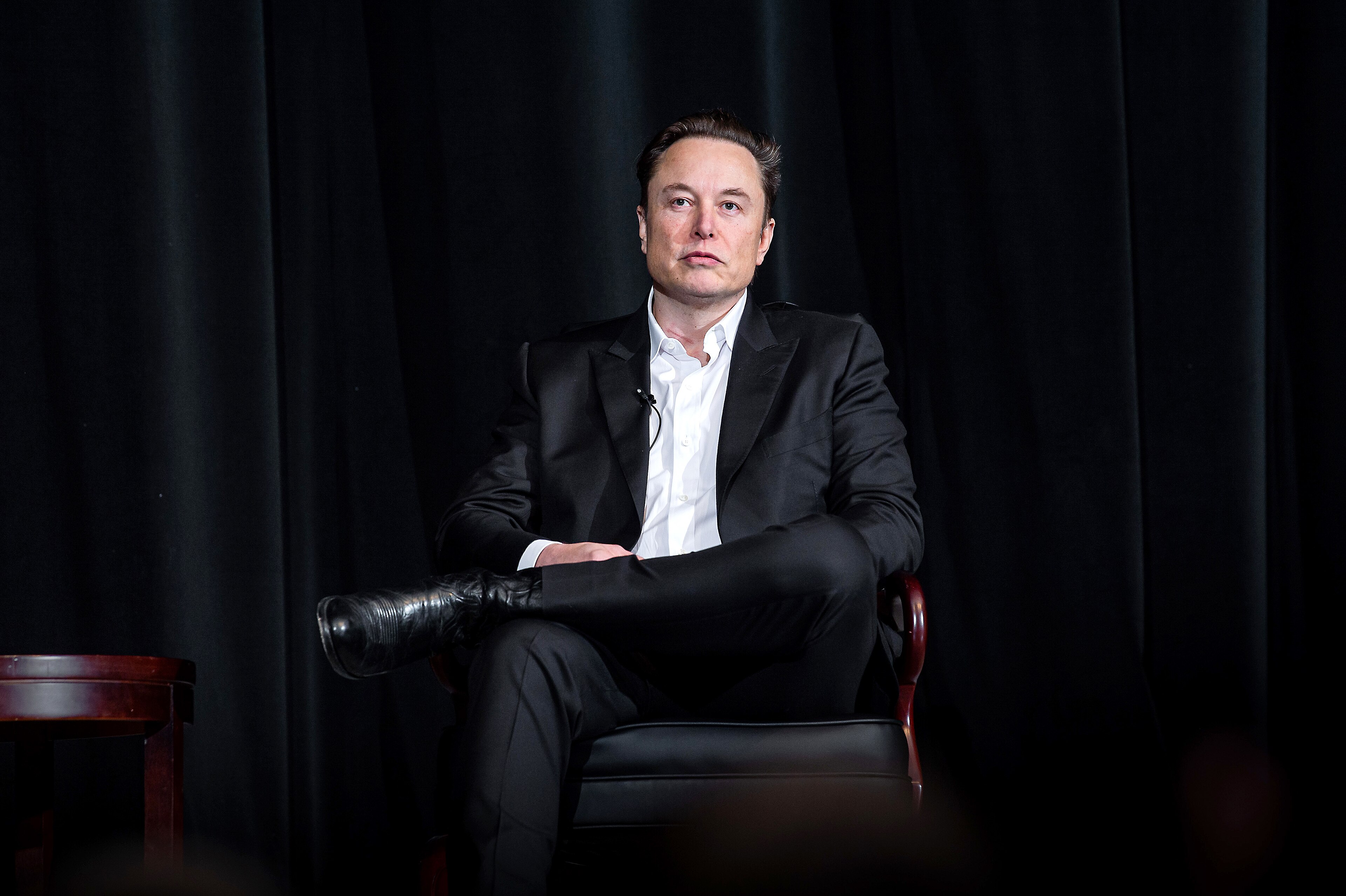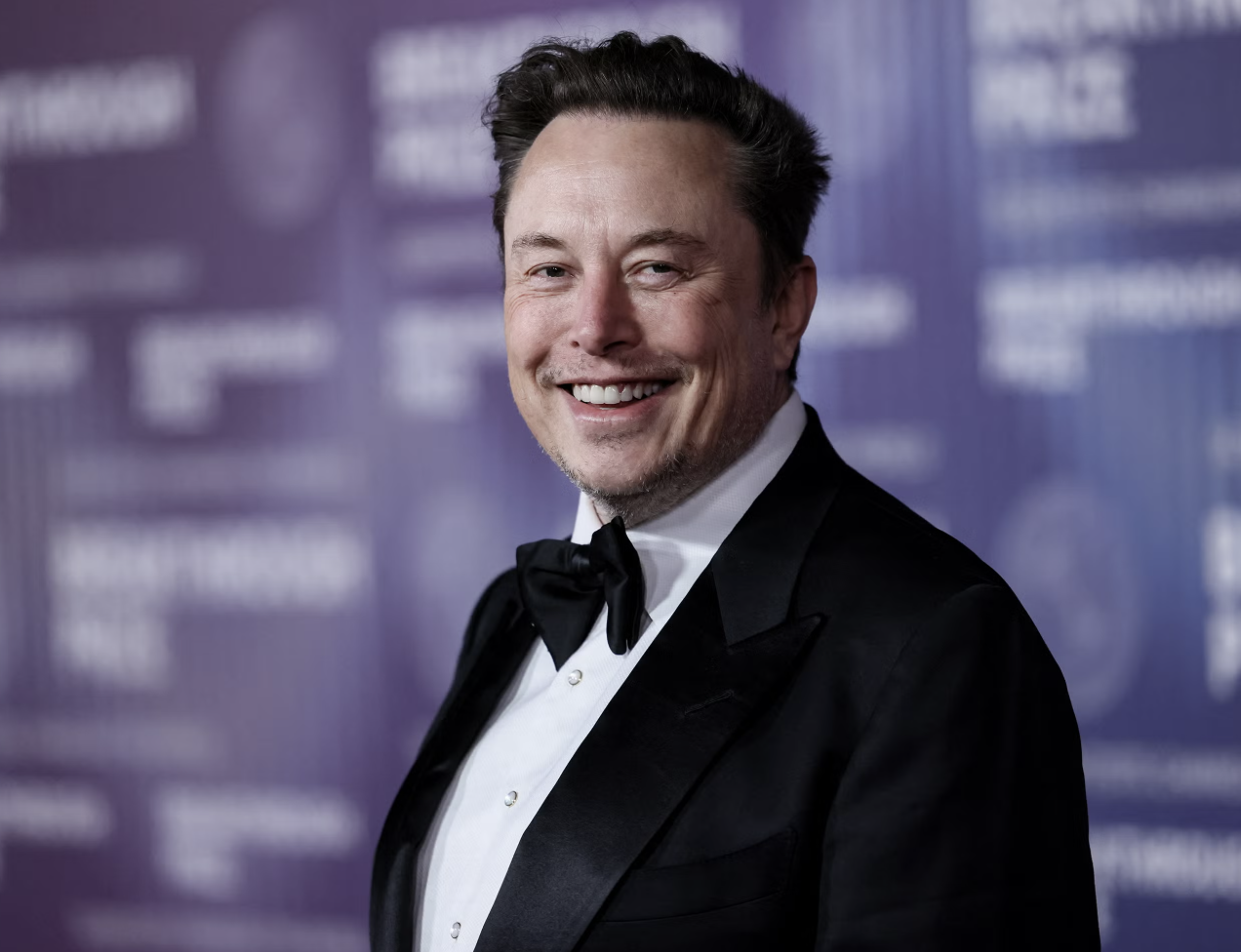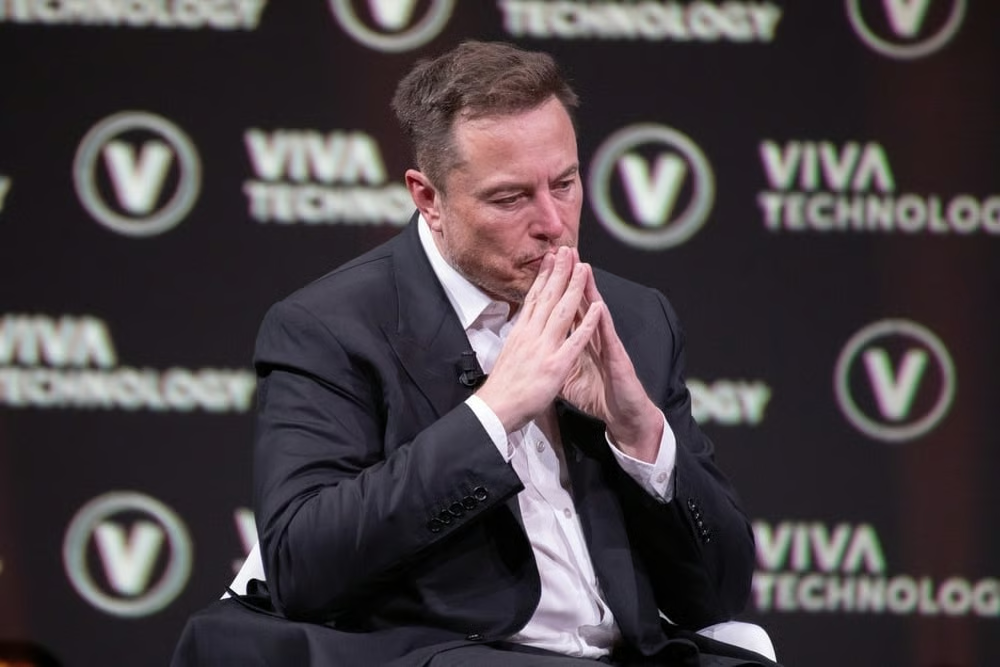
Elon Musk lost his courtroom battle against OpenAI, Sam Altman, and Microsoft this week, and for ETF investors, that's actually kind of a big deal. Not because the lawsuit itself was going to blow up anyone's portfolio, but because it removes a legal overhang that had been hanging over one of the most influential partnerships in the AI industry.
A federal jury on Monday rejected Musk's claims that OpenAI had abandoned its original nonprofit mission, and also dismissed the allegations against Microsoft, which has poured billions into the ChatGPT maker since 2019. The ruling means the commercial relationship between Microsoft and OpenAI—which is central to the AI strategies of both companies—can continue without the threat of a court-ordered restructuring.
For ETF investors, the case matters because Microsoft and Nvidia are everywhere in AI-focused funds. Microsoft has become a central player in enterprise AI through its Azure cloud business and deep integration of OpenAI's models, while Nvidia continues to dominate the market for the chips that power large language models and hyperscale data centers. If the lawsuit had succeeded, it could have thrown a wrench into that machine.
So which ETFs are most exposed to this ecosystem? Let's run through a few of the big ones.
The Global X Robotics & Artificial Intelligence ETF (BOTZ) has about $3.8 billion in assets and counts Nvidia among its largest holdings. It's a play on the broader robotics and AI theme, but Nvidia's dominance in AI chips makes it a key component.
The Global X Artificial Intelligence & Technology ETF (AIQ) is even more direct. With nearly $8.9 billion in assets, it holds major AI infrastructure names including Nvidia, Broadcom (AVGO), Advanced Micro Devices (AMD), and Microsoft. This fund gives you broad exposure to both AI software and the semiconductor companies that make it all possible.
The Roundhill Generative AI & Technology ETF (CHAT) is a more targeted bet on generative AI. Its top positions include Nvidia, Alphabet (GOOGL), AMD, and Microsoft. If you think the generative AI boom is just getting started, this is one way to play it.
And then there's the ROBO Global Robotics and Automation Index ETF (ROBO), which provides exposure to industrial automation and AI-linked technology firms that benefit from rising enterprise AI spending.
The verdict itself isn't going to directly move the needle on any of these ETFs. But it does remove a source of uncertainty. Investors no longer have to worry about a court potentially disrupting Microsoft's relationship with OpenAI at a time when AI competition is accelerating across the tech sector. That's a good thing for the stability of the AI trade.
The broader AI ETF trade has been heavily driven by infrastructure spending—particularly demand for GPUs, cloud computing capacity, and AI data centers. Those trends continue to benefit semiconductor and hyperscaler-focused funds. The Musk lawsuit was a distraction, and now it's gone.
So if you've been eyeing AI ETFs but were worried about legal risks, this ruling might be the all-clear signal you were waiting for. The AI trade is still very much alive, and the funds that track it are back in focus.

.jpeg)