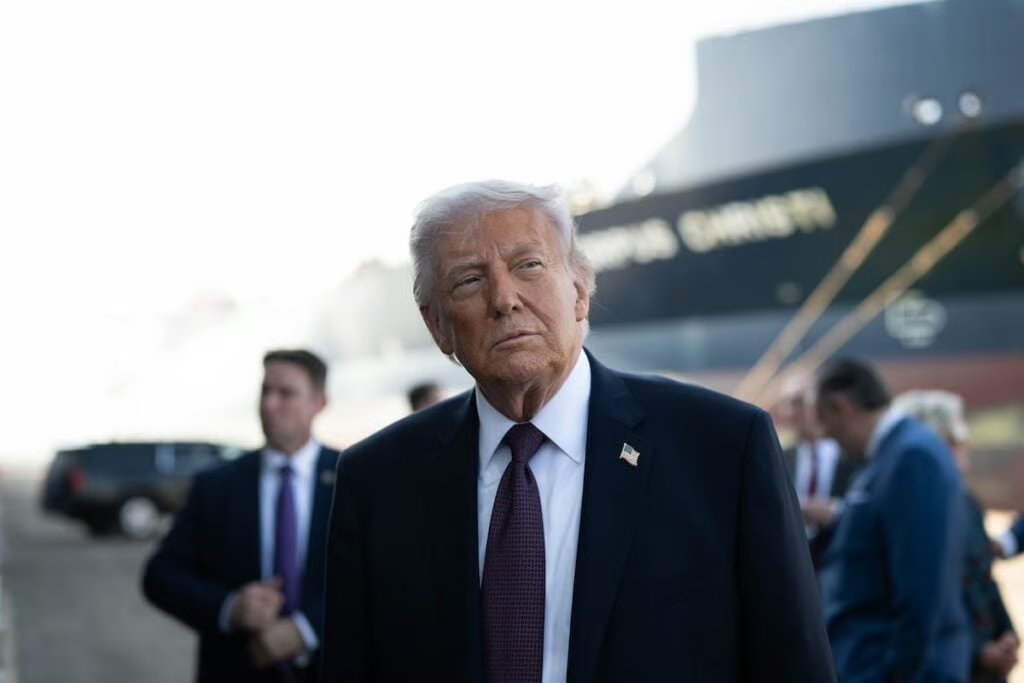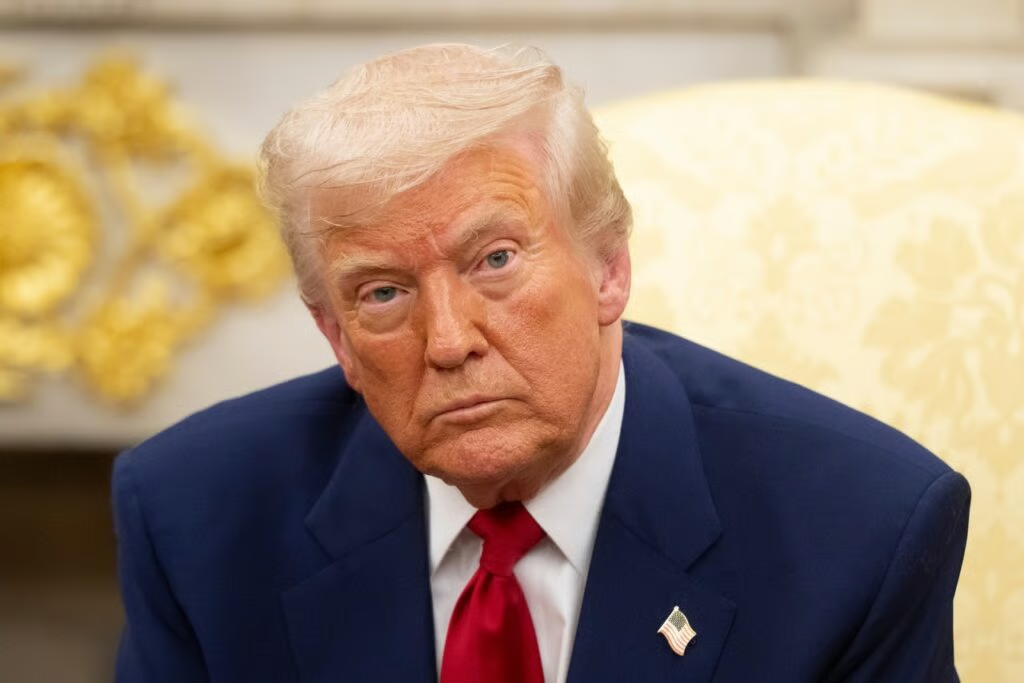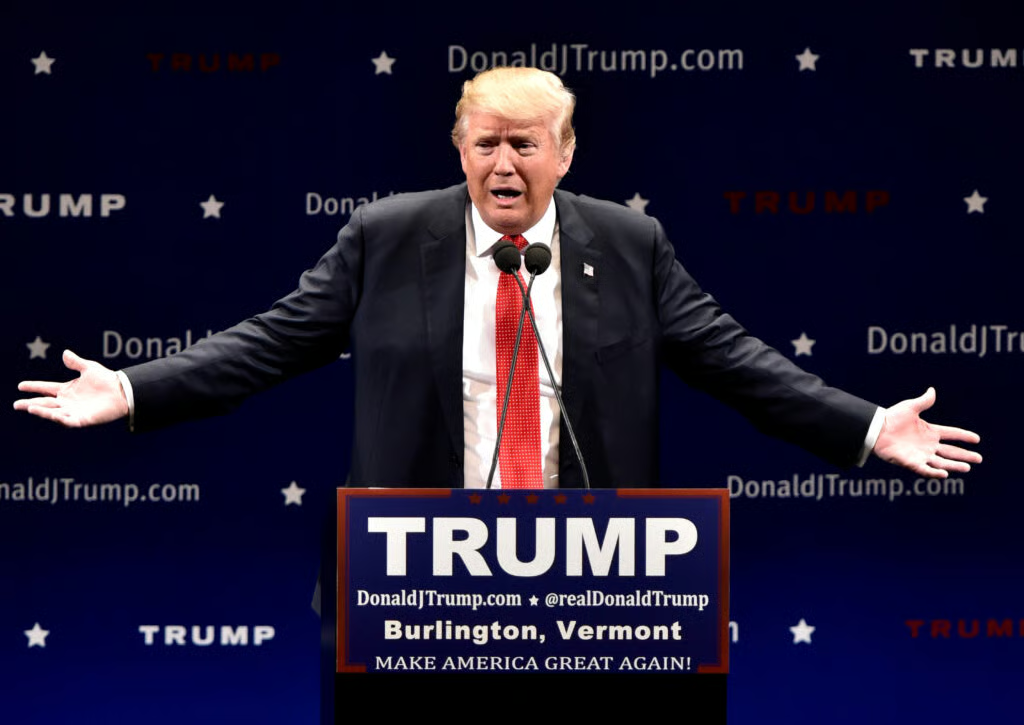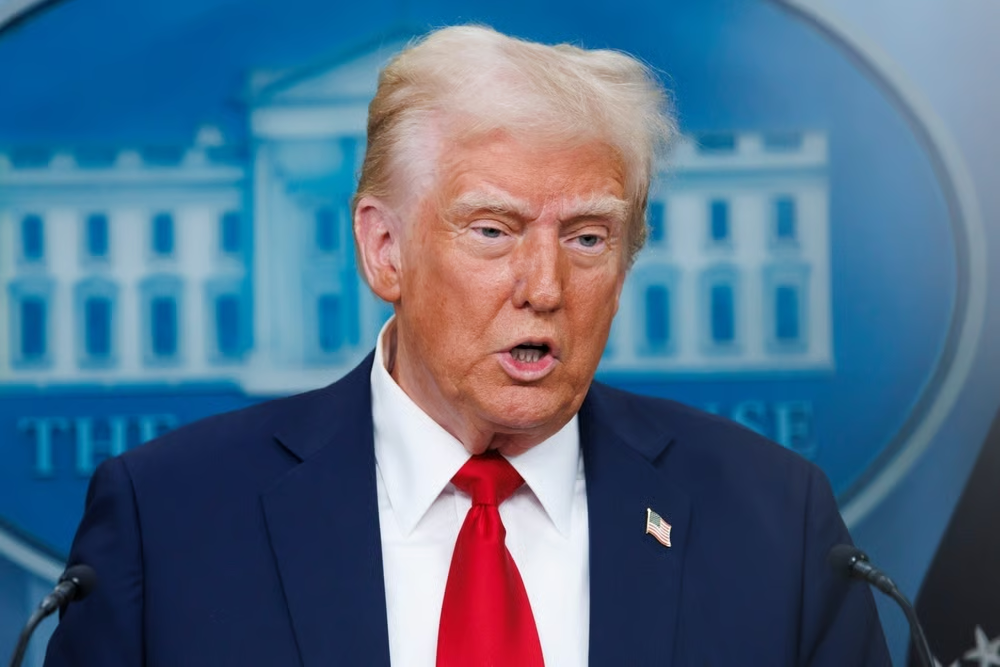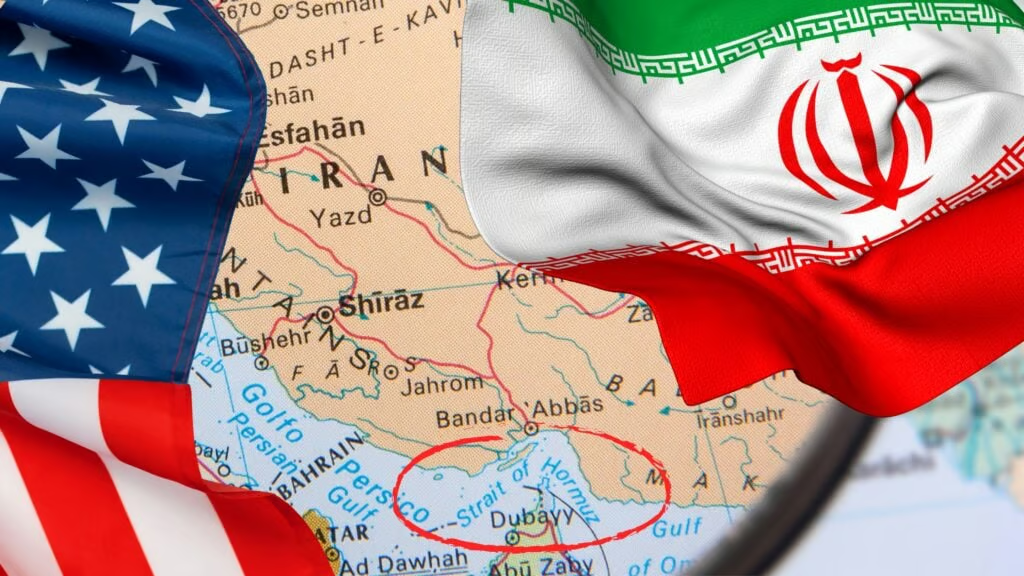
So, the U.S. is reportedly eager to strike a swift deal with Iran. This has caused more than a little unease among European allies, who have been at this negotiating table for over two decades. They're worried the Trump Administration might accept a "bad initial" deal just for a quick political win, a move one senior European diplomat told Reuters would leave complex issues to create "endless downstream problems."
Diplomats from France, Britain, and Germany—the trio that has been negotiating with Iran since 2003—feel sidelined. They're the ones who, alongside the U.S., originally secured the 2015 Joint Comprehensive Plan of Action (JCPOA), which limited Iran's nuclear program in exchange for sanctions relief. President Donald Trump withdrew from that agreement in 2018, calling it "one-sided." Now, they're watching from the wings as a new, potentially fragile deal takes shape.
The European view is that a basic deal involving some economic package in exchange for Iran's nuclear stockpile is possible. But they caution that the nuclear issues themselves remain the main sticking point. The big dispute? Iran's right to enrich uranium. Trump is pushing for zero enrichment, while Iran insists on its right to enrich for civilian use. A potential compromise, the diplomats suggest, could involve a temporary pause and limited enrichment under the strict oversight of the International Atomic Energy Agency (IAEA).
Gérard Araud, France's chief negotiator from 2006 to 2009, put it succinctly: a negotiation with Iran is "meticulous and subtle" where "every word matters." His advice? "That's not something you rush."