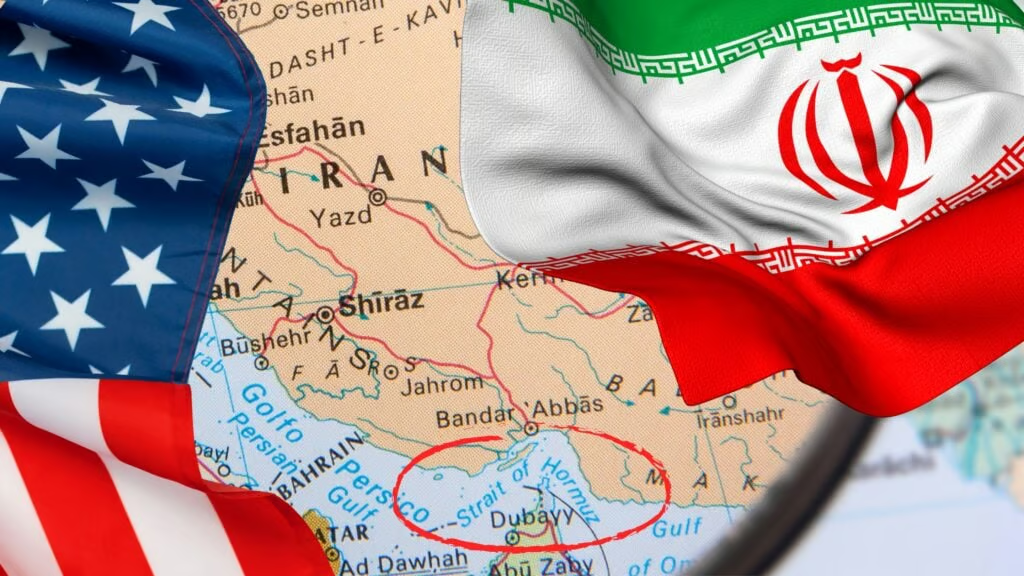
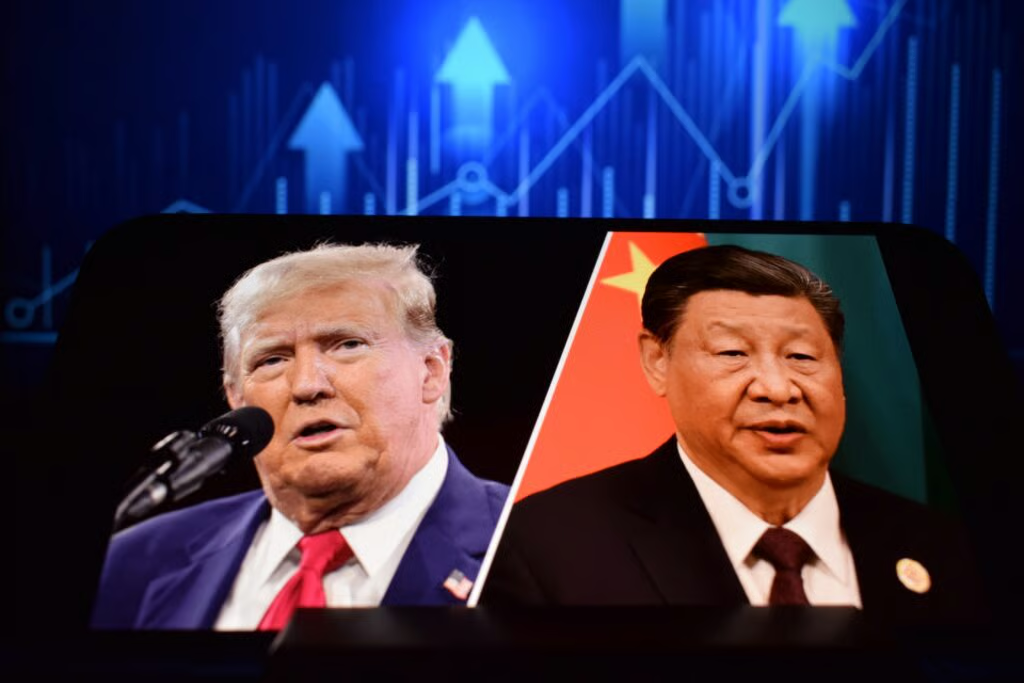
Here's a bit of diplomatic whiplash for you. Over the weekend, we got the classic "good news, bad news" update from the talks between President Donald Trump and Iran. The good news? Both sides are saying they've made some progress. The bad news? They're still miles apart on the really big stuff, and Iran decided to close the Strait of Hormuz—again.
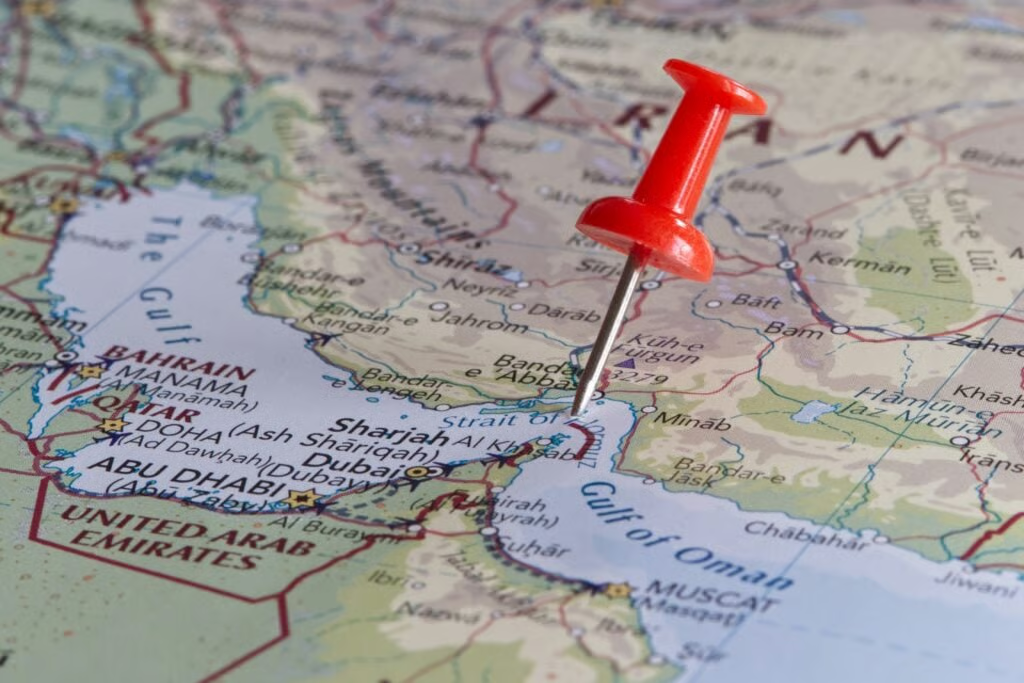
Yes, that Strait of Hormuz. The one where a huge chunk of the world's seaborne oil passes through. Iran briefly reopened it, only to shut it down on Saturday. Their stated reason? They say the continued U.S. blockade of Iranian ports breaks the terms of the fragile ceasefire. So, while diplomats talk, a major artery of global trade is getting pinched shut, which is never a calming signal for markets.
Iran's chief negotiator, Mohammad Baqer Qalibaf, told state media there has been forward movement, but that "significant differences" remain and some issues are simply non-negotiable for both sides. President Trump also acknowledged the talks were positive, though he didn't dive into details. It's the diplomatic equivalent of "we're talking, but don't get too excited."
Adding some color to the stalemate, Iran's deputy foreign minister came out swinging, accusing the U.S. of putting forward "maximalist demands" that are getting in the way of a deal, particularly on sanctions relief and broader regional security. When one side starts throwing around terms like "maximalist," it usually means the haggling is getting tough.
All this back-and-forth over the strait injects a fresh dose of uncertainty into a Middle East conflict that has already driven up oil prices and, tragically, led to thousands of casualties. The acknowledgment of progress is a faint positive signal, but the immediate reality of a closed strategic chokepoint speaks much louder. It underscores that even with a ceasefire in place, the path to a lasting resolution is long, complicated, and runs right through the world's most important oil shipping lane.
These latest twists come after the announcement of that shaky ceasefire and the collapse of a potential peace deal in Islamabad. So, for now, the story remains: some hope at the table, but very real problems on the water.