So, about that thing the U.S. government said it wasn't going to do? It just did it.
The Treasury Department announced on Friday that it's extending the suspension of sanctions on Russian oil shipments for another 30 days. The order essentially gives a pass to Russian oil that was loaded onto tankers starting last Friday, allowing those shipments to be delivered through May 16. It's a renewal of a similar license issued back in March.
Here's the awkward part: earlier in the week, Treasury Secretary Scott Bessent was pretty definitive about this not happening. "We will not be renewing the general license on Russian oil, and we will not be renewing the general license on Iranian oil," he stated at the White House. That was the public position. Now it's not.
The official reason for the about-face is the oil shortages stemming from the Iran war. The conflict's aftermath has, somewhat ironically, strengthened Moscow's hand in the energy market. With global supply disrupted, there's more demand for whatever oil can get to market, and Russia has plenty. Sanctions since the Ukraine invasion had put a lid on that, but the war in Iran has created a new pressure valve.
It's not a completely free ride for Russia, though. Ukrainian drone strikes have been messing with Russian refineries and export infrastructure lately, which has temporarily put a dent in its ability to cash in fully on the higher prices.
The move puts the U.S. at odds with some economic warnings. Economists like Robin Brooks have argued that cutting off Russian oil revenue is key to starving Moscow's war machine. And it's not just about oil. Back in March, economist Steve Hanke pointed out that Russia controls up to 40% of the global ammonium nitrate trade—a key fertilizer. Disruptions there could squeeze agricultural supply chains worldwide, adding another layer of risk.
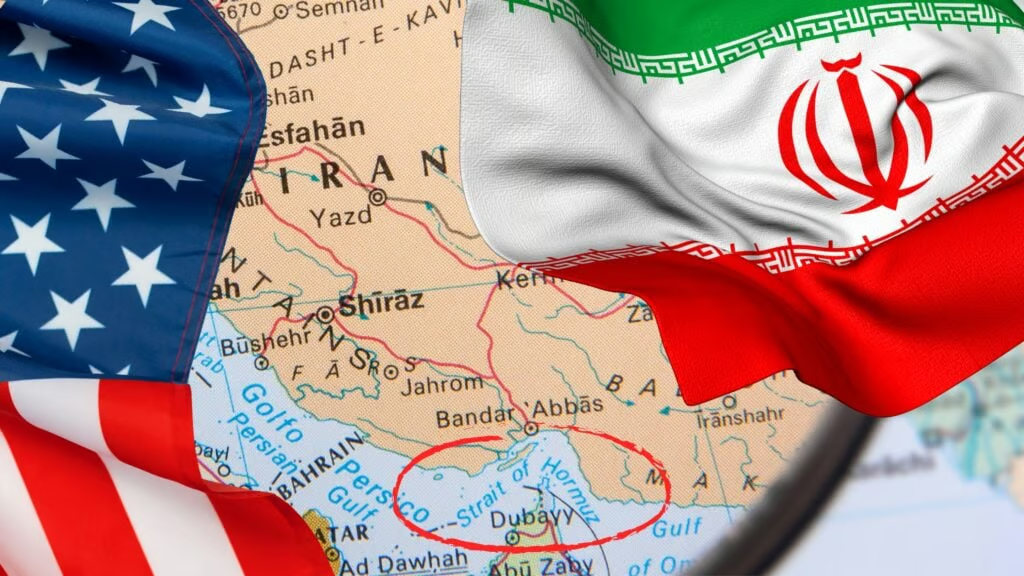
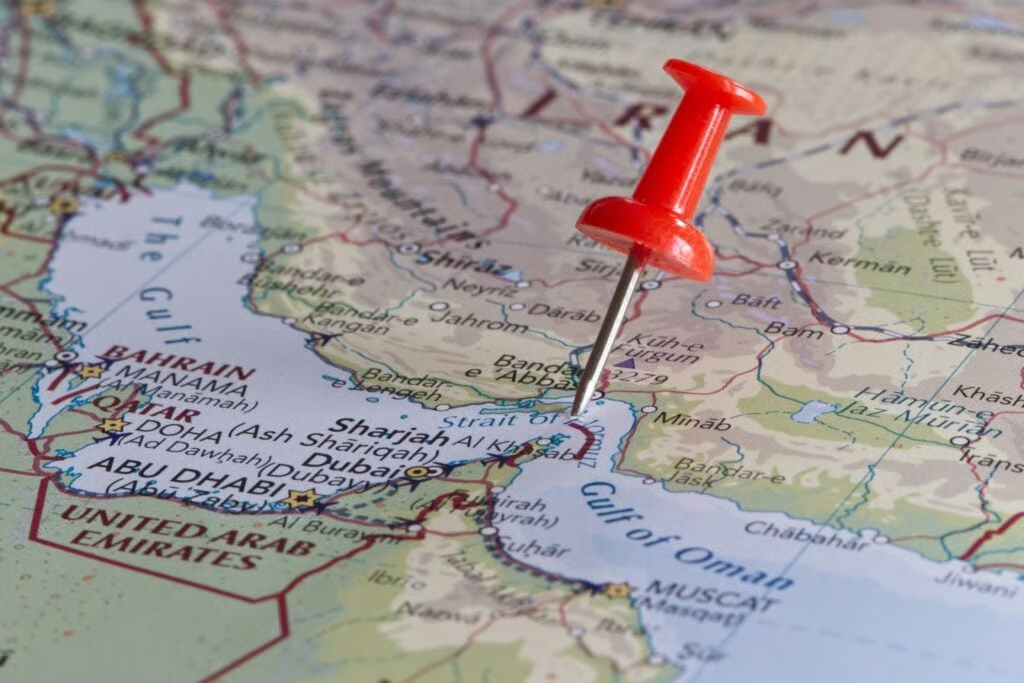
The whole situation got even more tense over the weekend when Iran decided to close the Strait of Hormuz—a critical chokepoint for global oil shipments—on Saturday, just one day after declaring it open. It's the kind of move that makes energy traders nervous and governments reach for policy levers, even if they said they wouldn't touch them.
So, in summary: The U.S. said it wouldn't extend the waiver. Then it did, citing war-driven shortages. This helps Russia make money, which economists say funds its military, but also might help keep oil flowing. And it's all happening while a major oil shipping lane opens and closes on a whim. Just another week in global energy geopolitics.