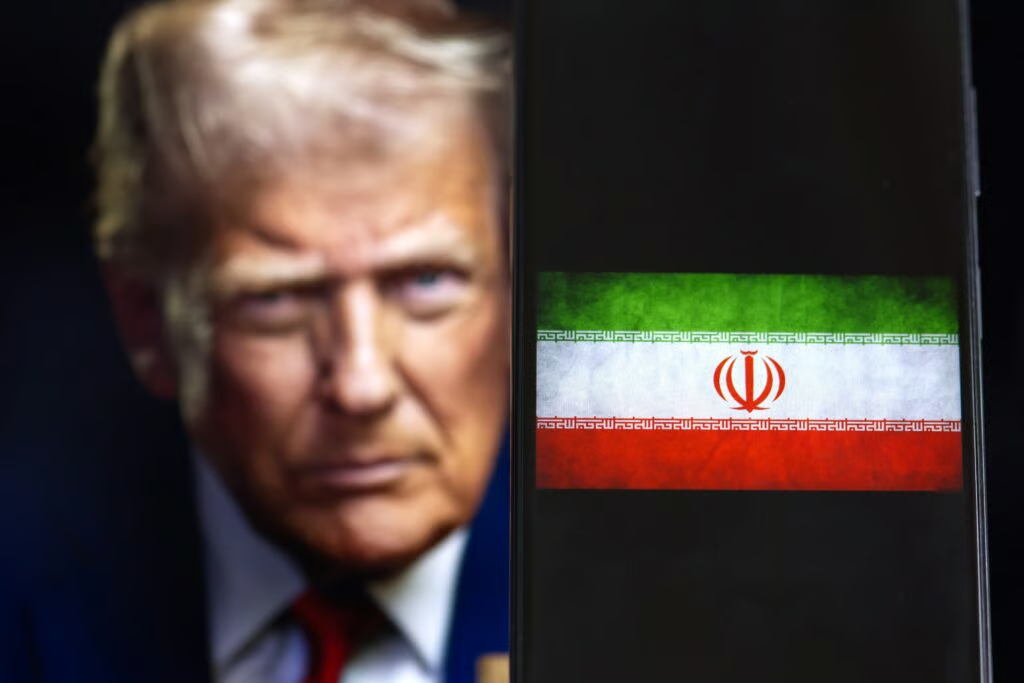
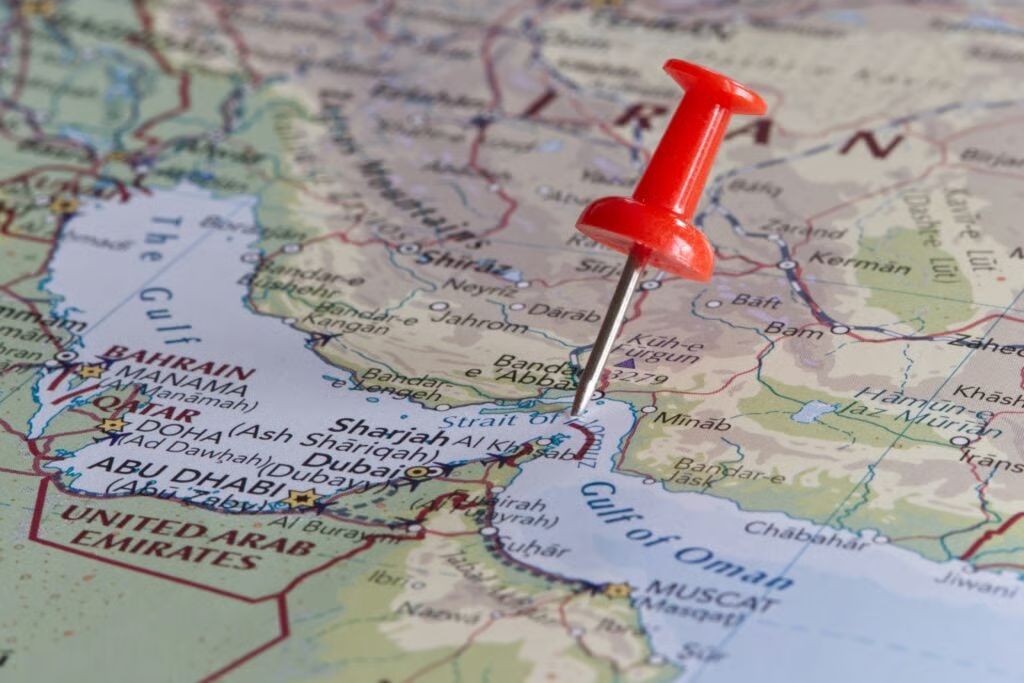
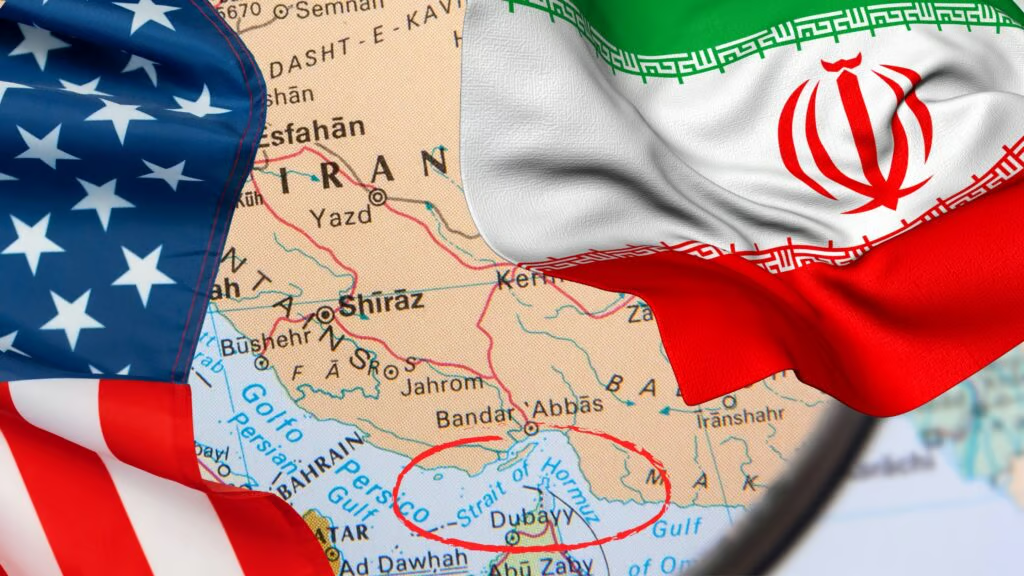
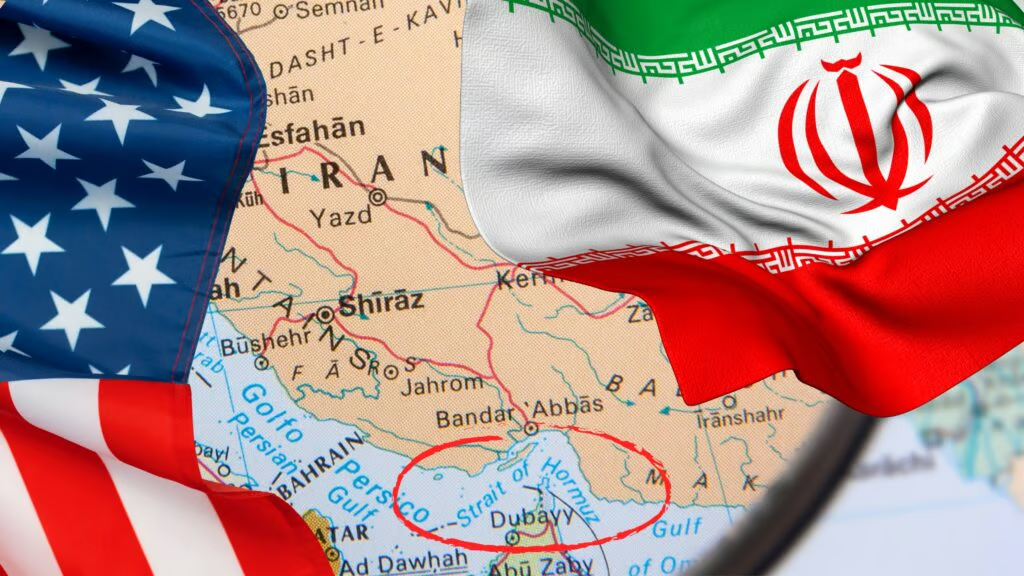
So, here's a bit of geopolitical maneuvering that could ease some global jitters. Iran has reportedly suggested letting ships pass through the Omani side of the Strait of Hormuz without the threat of attack. This comes amid ongoing negotiations with the U.S., and it's being seen as Iran's first clear step back from earlier, more aggressive positions—like trying to charge transit fees or claim sovereignty over the strait.
But, as with most things in international diplomacy, the devil is in the details. It's still unclear whether Iran would also commit to removing any mines it might have placed in that stretch of water. And there's the question of whether all ships, including those associated with Israel, would get free passage. According to Reuters, the success of this proposal hinges on Washington's readiness to meet Tehran's demands. The White House didn't immediately respond to a request for comments from MarketDash.
Now, why does this matter so much? The Strait of Hormuz is that narrow waterway between Iran and Oman, and it's a critical chokepoint for the global economy. The International Energy Agency says it handles about 20% of the world's oil flows. Ken Griffin, the CEO of Citadel LLC, has described a potential closure as a classic energy shock that could feed directly into inflation and growth risks, even potentially leading to a global recession. So, yeah, tensions here keep oil prices elevated. At 4:39 am ET, Brent crude oil was trading 1.72% higher at $96.56 per barrel.
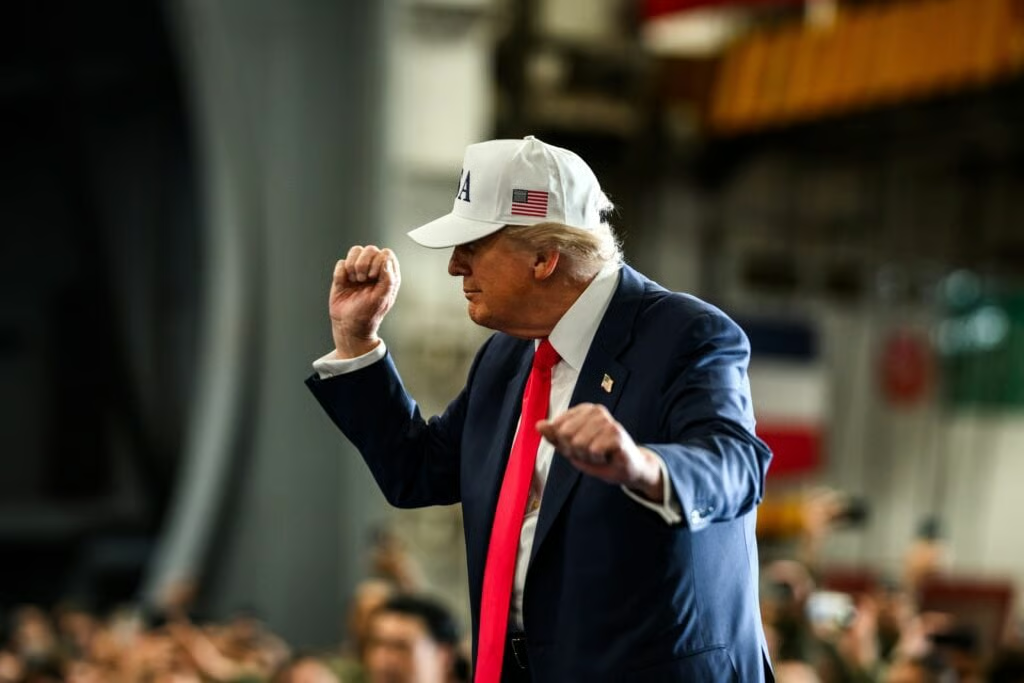
Meanwhile, President Donald Trump declared on Truth Social that the Strait of Hormuz is now "permanently" open. He attributed this to U.S. military superiority, a naval blockade, and a new understanding with China that includes Beijing agreeing not to ship weapons to Iran. But here's the reality check: Ana Subasic, a trade risk analyst at Kpler, noted that Hormuz traffic flow is still at just 10% of pre-war levels. So, "permanently open" might be more of a political statement than a current logistical fact.
On the diplomatic front, peace talks seem to be gaining some momentum. Trump said Iran talks could resume in Pakistan within days and expressed optimism, despite tensions. He downplayed the chances of extending the ceasefire and suggested a deal is preferable under what he described as a changed regime. Adding to the movement, a Pakistani delegation led by Army Chief Asim Munir arrived in Tehran on Wednesday to facilitate a new round of U.S.-Iran talks ahead of the truce deadline. They're carrying a message from Washington after earlier negotiations in Islamabad ended without a deal.