So here's a fun geopolitical puzzle for a Sunday: What happens when you mix a U.S.-Iran war, a fragile ceasefire, and a reported plan for China to send missiles into the mix? According to President Donald Trump, you get "big problems."
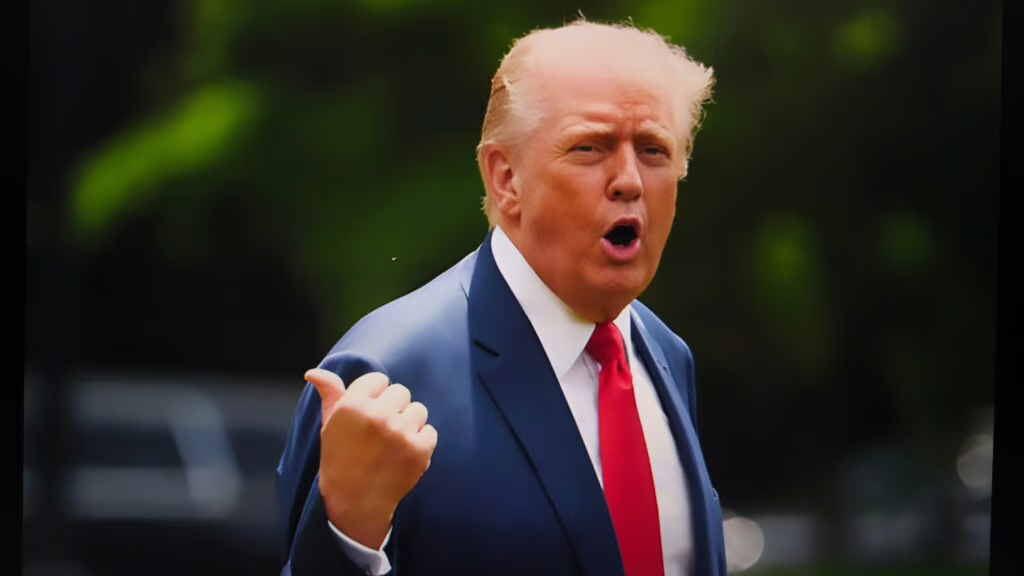
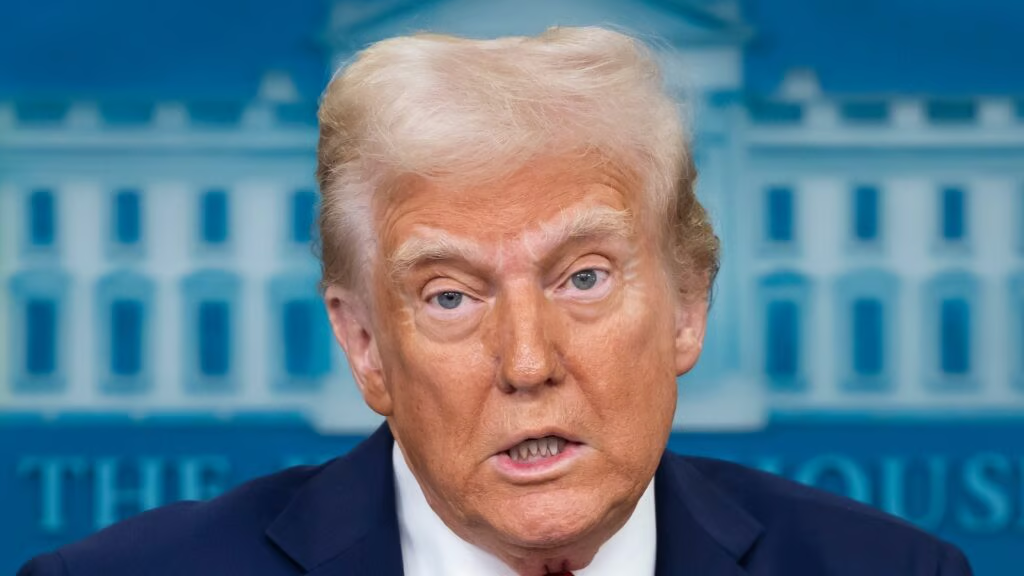
Trump issued that blunt warning to China on Saturday, telling reporters outside the White House that if Beijing goes through with reported plans to supply Iran with air defense systems, "China is gonna have big problems, OK?" The U.S. remains actively engaged in conflict with Iran, making any outside military aid a direct escalation.
This isn't just theoretical saber-rattling. According to U.S. intelligence sources cited in reports, China has a specific, covert plan to get these weapons to Iran. The plan involves routing shoulder-fired anti-air missile systems—known as MANPADs—through third parties, and it could happen within weeks.
For those not up on military acronyms, MANPADs are the kind of weapon that makes helicopter pilots lose sleep. They're lightweight, heat-seeking missiles that a single soldier can carry and fire. They track the heat from an aircraft's engine, and in the six-week conflict in Iran, they've already proven to be a significant headache for low-flying aircraft.
Beijing, for its part, is pushing back hard on the reports. China's embassy told The Times of Israel that the claims are "entirely fabricated," adding that it "never provides weapons to any party to the conflict." That's a pretty definitive denial, though it's worth noting that a previous report suggested China's largest chipmaker, SMIC, supplied chipmaking tools to Iran's military. So the relationship isn't exactly arms-free.
The whole situation is a tangled web of diplomacy and conflict. Trump himself previously hinted that China might have played a role in nudging Iran toward the two-week ceasefire that was reached on Tuesday. When asked by AFP if Beijing was involved, Trump said, "I hear yes."
That ceasefire, already fragile, didn't last. It was violated after Israel's attack on Lebanon, and now delegations from the United States and Iran are in Pakistan trying to stitch together a potential peace deal. U.S.-China tensions over Iran have been simmering since the war kicked off on February 28, and this missile report—whether true or not—is pouring gasoline on the fire.
So to recap: We've got a war, a broken ceasefire, peace talks in a third country, and now a presidential warning about missile shipments that one side says are happening and the other side says are fake news. It's the kind of geopolitical drama where the markets hold their breath and wait to see what breaks next.