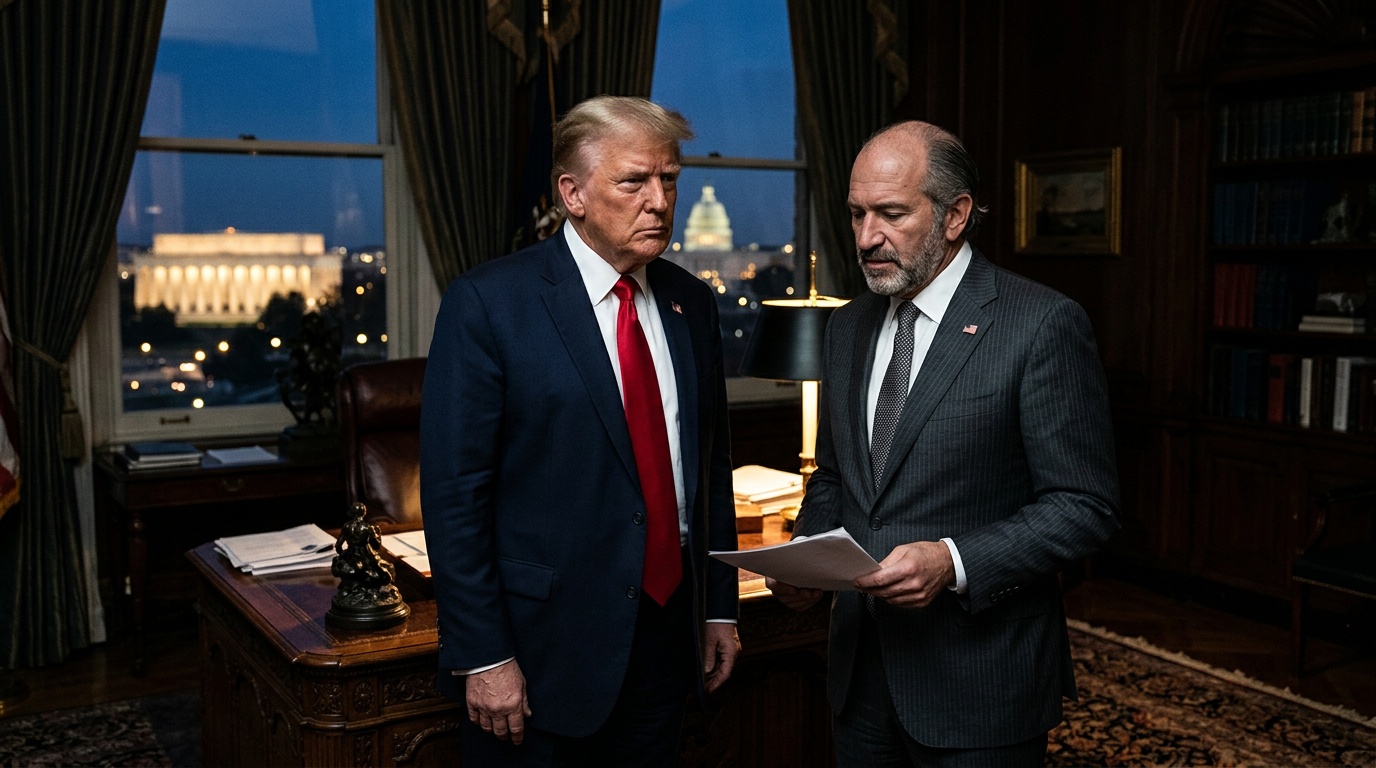
President Donald Trump has a message for anyone wondering why his advisers keep sniping at each other over China: it is complicated, and he gets it.
The immediate flashpoint is Nvidia Corp. (NASDAQ:NVDA) and a suspected chip-diversion scheme. Treasury Secretary Scott Bessent has accused Commerce Secretary Howard Lutnick of failing to act against Singapore-based Megaspeed, which is suspected of diverting Nvidia's advanced chips to China despite repeated national-security warnings.
Asked by reporters on Monday, Trump stood by Lutnick. "He might have delayed it but he was doing that because you could have if you didn't delay it if you did do something you could have a blow up with China," Trump said. He added, "We're having a very good relationship with China right now and I understand both sides of it and I'll make a decision."
The back-and-forth caps a week in which Trump's advisers battled over China strategy and debated who should bear the political consequences tied to Nvidia. The split separates officials who want closer economic ties with Beijing from those who warn that concessions could create lasting national-security vulnerabilities, the Wall Street Journal reported on Monday.
The President framed the divide plainly: "One wants to be friendly with China, and one wants to have a blowup with China." He added, "I don't think you want to insult China just before you get there."
A Trade Deal, a Chip Probe and a Four-Day Trip
Trump is traveling for four days through the Philippines and Shenzhen, China, alongside Lutnick, Bessent and Secretary of State Marco Rubio. According to the WSJ, Trump is aiming for another economic agreement with Chinese President Xi Jinping before an existing trade truce expires in January.
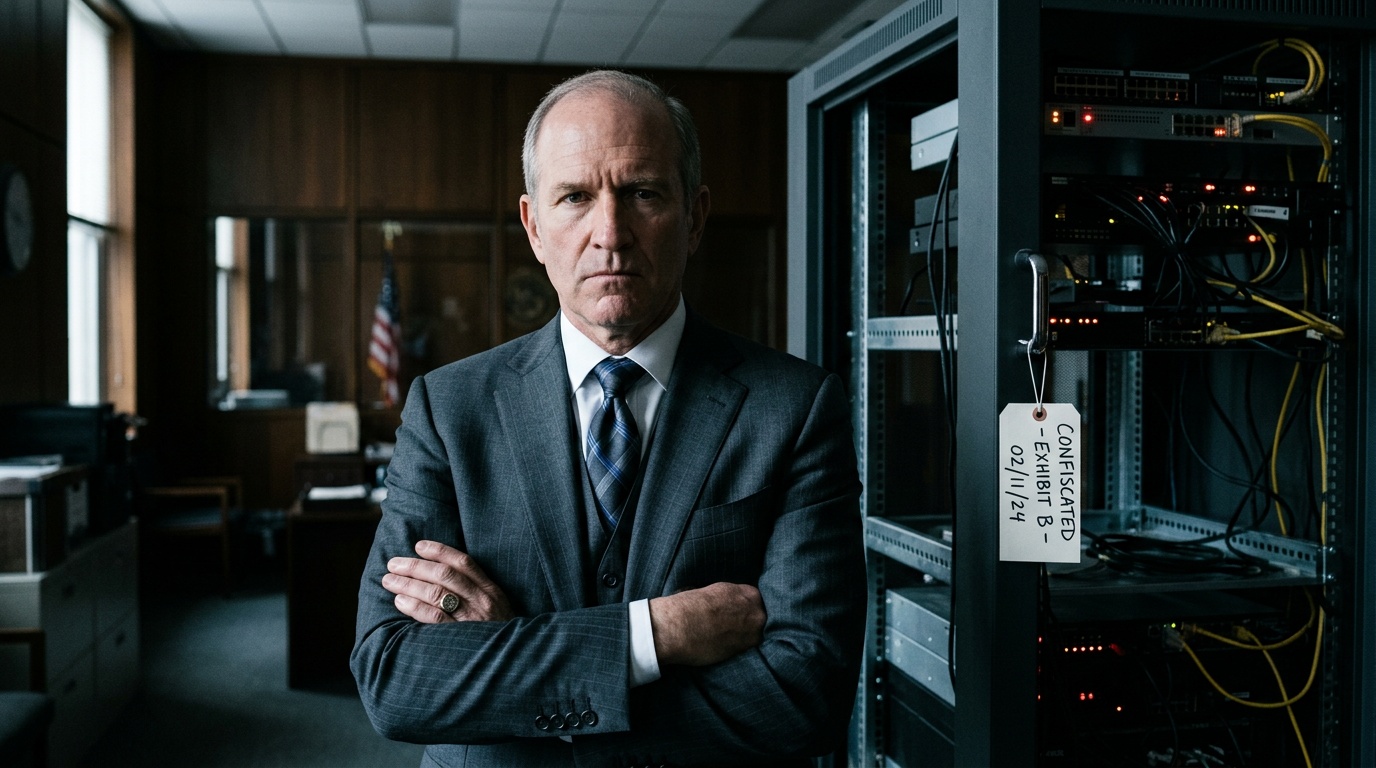
On Monday, the Commerce Department and the Department of Justice disclosed that a two-year investigation into Megaspeed began in 2024. Investigators identified suspicious activity involving the possible diversion of sensitive semiconductors before examining whether Megaspeed violated U.S. export controls.
The Commerce Department also tightened oversight of overseas data centers that could give restricted buyers access to advanced AI computing capacity. On Monday, the department issued an interim rule requiring U.S. licenses for advanced AI chip exports to data centers in Singapore, Malaysia, Thailand, Indonesia and Brazil, citing heightened diversion risks.
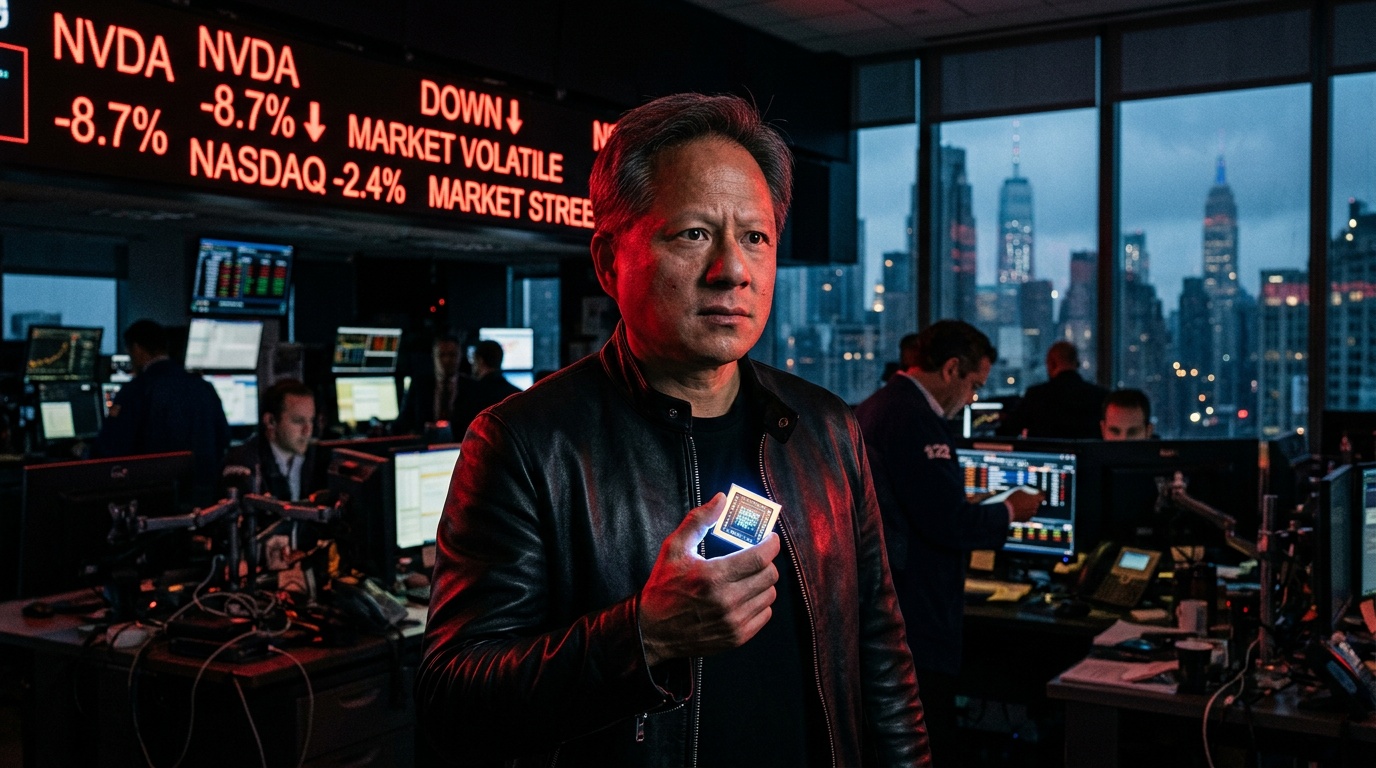
For Nvidia, the political noise lands on top of a rough stretch. MarketDash's Edge Rankings place Nvidia in the 98th percentile for growth and the 97th percentile for quality, reflecting strong performance in both areas.
Price Action: Over the past month, Nvidia stock has declined 27.08%, according to market data. On Monday, the stock closed 4.12% lower at $156.14.
Disclaimer: This content was partially produced with the help of AI tools and was reviewed and published by MarketDash editors.