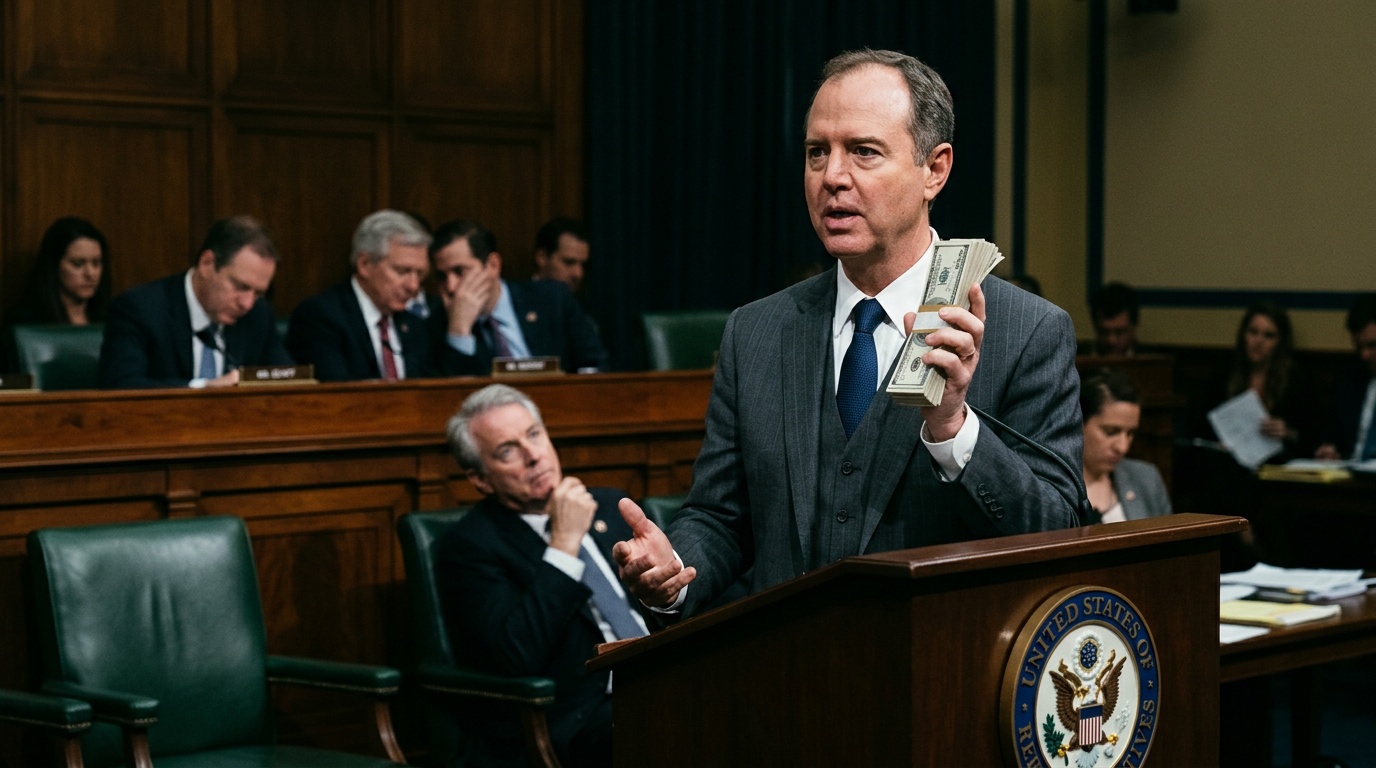
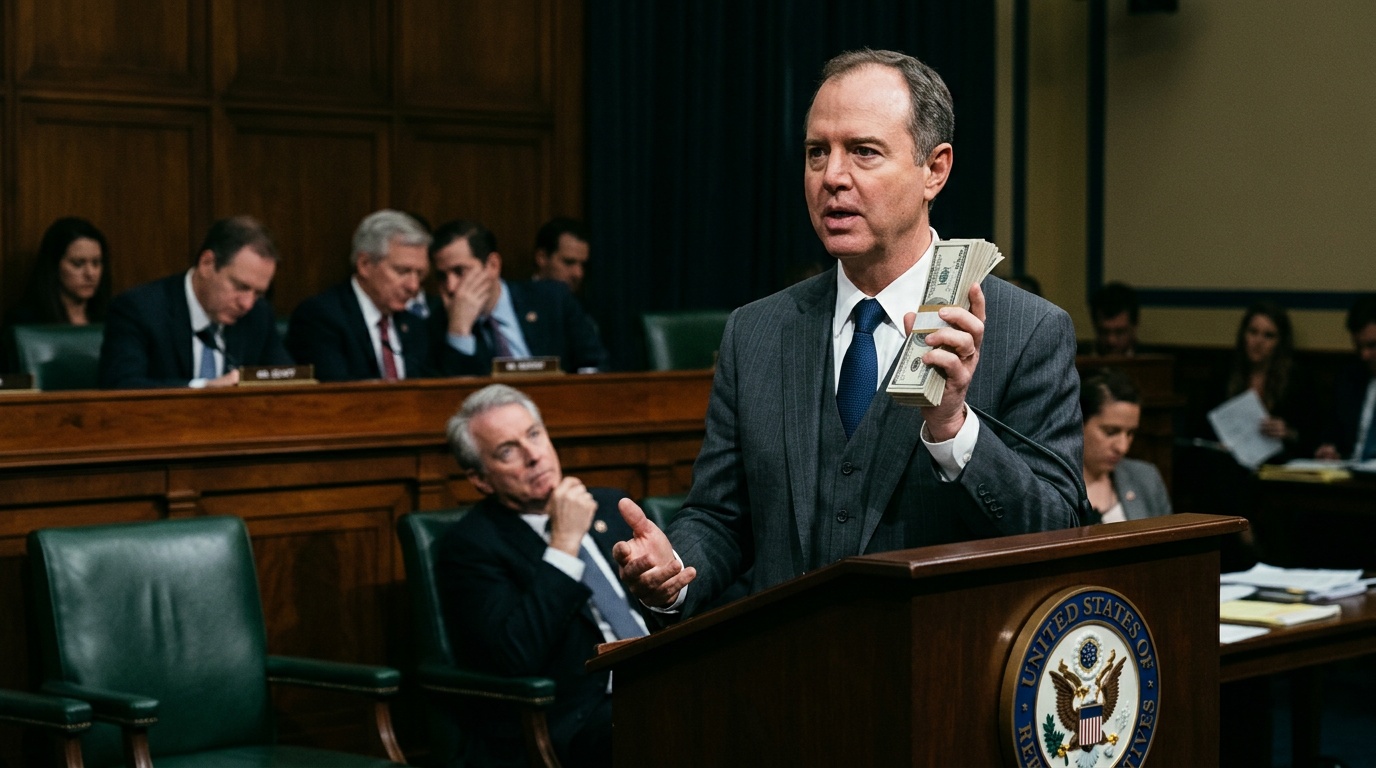
Sen. Adam Schiff (D-Calif.) is not happy with corporate America. On Monday, in a post on X, Schiff accused executives of keeping tariff refund money instead of reimbursing American consumers who faced higher prices under President Donald Trump's trade policies.
"Companies got tariff refunds, consumers got screwed," Schiff wrote.
His argument is straightforward: businesses passed tariff-related costs on to shoppers through higher prices, then failed to return the money after receiving refunds from the government.
"Instead of reimbursing Americans who paid the higher prices, corporate executives decided to line their own pockets," he added.
Schiff also took aim at the broader corporate response, saying, "No wonder people feel the system is corrupt, and corporate greed is out of control."
The Receipts: Who Got What
A ProPublica investigation found that at least nine companies, including Stanley Black & Decker Inc. (SWK), TJX Companies Inc. (TJX) and Acushnet Holdings Corp. (GOLF), used portions of their Trump tariff refunds for executive and employee bonuses instead of reimbursing consumers who paid higher prices.
The numbers are not small. Stanley Black & Decker received at least $298 million, while TJX received $331 million.
The report found that consumers largely had no direct way to recover the extra costs, with studies estimating they absorbed 26% to 43% of tariff expenses.
ProPublica also highlighted Burlington Stores Inc (BURL) as an exception, saying it planned to use its $55 million refund to offer lower prices to shoppers rather than boost earnings.
Stanley Black & Decker, TJX, Acushnet and Burlington Stores did not immediately respond to MarketDash's request for comments.
Tesla Took A Different Route
Last month, Tesla Inc. (TSLA) CFO Vaibhav Taneja said the company reinvested tariff refunds to expand its U.S. manufacturing capacity.
He attributed the improvement in third-quarter energy gross margins to tariff refunds and warranty cost adjustments.
Taneja said future capital spending would support Robotaxi expansion, Optimus production, solar manufacturing, AI computing infrastructure and a semiconductor fab.
CEO Elon Musk also said Tesla was targeting annual production of 5 million vehicles by around 2030 and was laying the groundwork to expand manufacturing capacity.
The Bigger Picture: $100 Billion In Refunds
Previously, U.S. companies received more than $100 billion in tariff refunds after the Supreme Court struck down Trump's IEEPA tariffs.
Some used the money for employee bonuses and retirement benefits, while U.S. Trade Representative Jamieson Greer had urged businesses to share the windfall with workers.
Schiff's post taps into a broader frustration: when the government hands money back to companies, does any of it trickle down to the people who actually paid the higher prices? For now, the answer from at least some boardrooms appears to be no.