Here's a novel negotiating tactic: just wait for the other guy's boss to get fired by the voters.
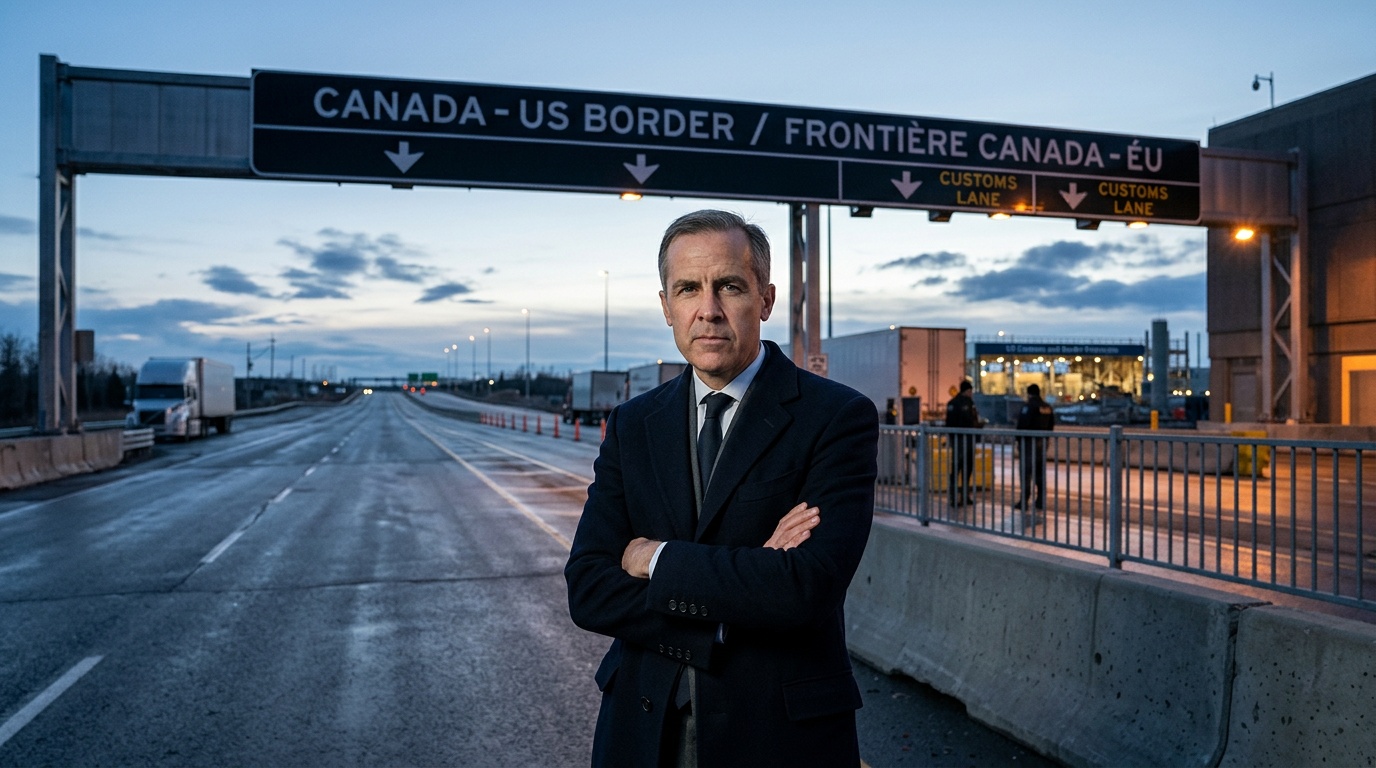
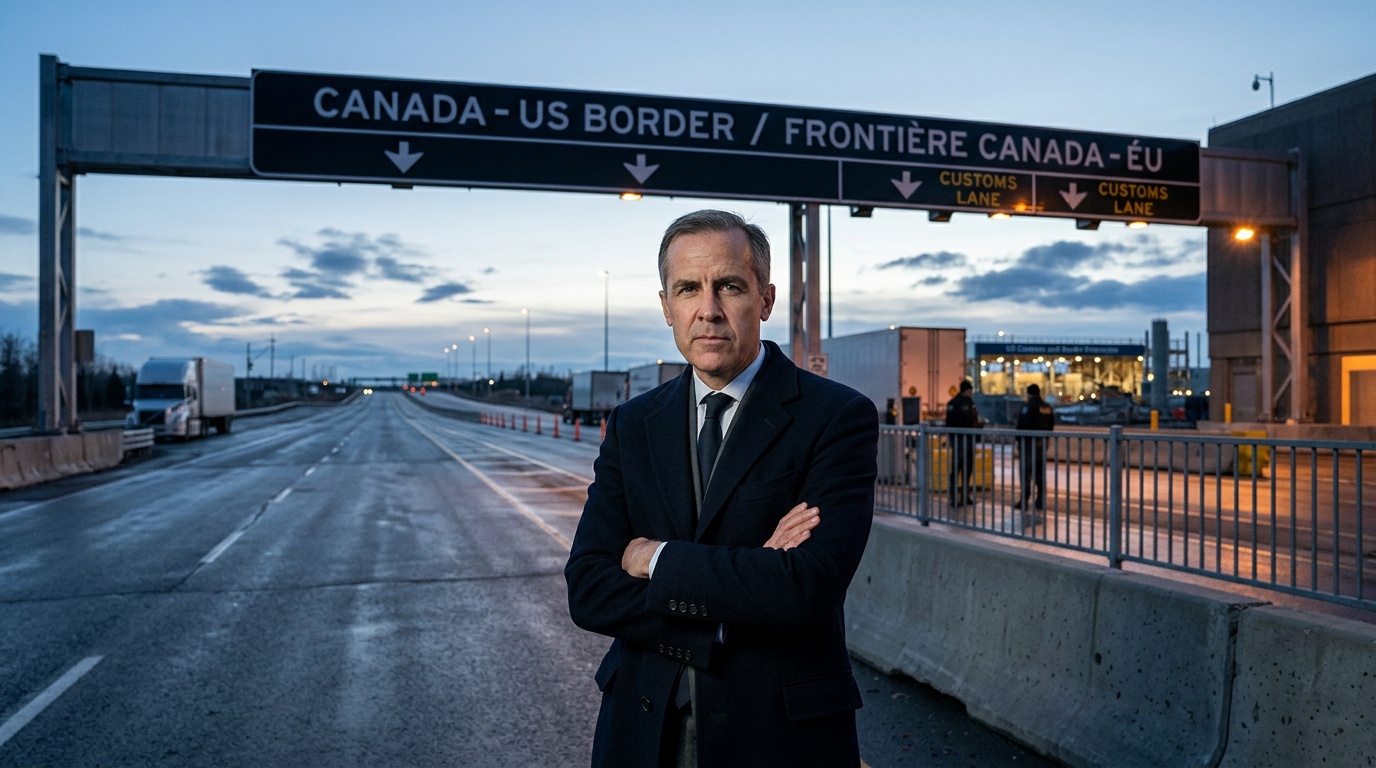
Canadian Prime Minister Mark Carney said Friday that Canada can afford to wait for a new U.S. president rather than accept a trade agreement that doesn't serve Canadian interests. Not a bluff, he insists. A plan.
The backdrop is a set of negotiations over a limited tariff deal focused on Section 232 duties, which include levies as high as 50% on Canadian steel and 25% on autos. Those are the kind of numbers that make finance ministers reach for the antacids.
Carney, in an interview with Politico, framed waiting out the current U.S. leadership as a practical option. If patience produces better terms, Canada can simply choose patience. He said he's prepared to delay until Washington offers an arrangement that works for Canada.
Canada's Trade Strategy: Waiting For Change
On the Section 232 talks, U.S. commerce secretary Howard Lutnick has been leading the charge. Lutnick has kept in frequent touch with Canada's trade minister, Dominic LeBlanc, as officials explore whether narrow relief is possible ahead of the Nov. 3 midterm elections.
A Canadian industry source said any near-term outcome could arrive fast but would probably cover only a slice of the dispute, if it happens at all. In other words, don't hold your breath for a grand bargain.
Carney's stance leans on the idea that the best baseline may already exist. He argued the current U.S.-Canada framework is the most beneficial for both sides, even under Washington's newer, tougher posture. As reported by Politico, Carney also signaled Canada won't trade away core interests simply to close a deal.
He underscored that point with a personal detail: he has not worn dress shirts given to him by President Donald Trump after negotiations broke down in August, because there is still no agreement he views as mutually beneficial. A wardrobe-based diplomatic protest. Subtle, but noted.
Carney also said, "We have agency. We have options," when describing how Ottawa should respond to U.S. pressure.
'They're Willing to Give Us Anything,' Says Trump
Trump, for his part, has been mixing exemptions with new additions. On Friday he exempted some Canadian imports from 50% duties, including plywood, paper products, machinery, refrigeration equipment, packing materials and seaweed.
At the same time, other Canadian goods were added to a 50% tariff list, spanning items such as carpets, shampoos, air conditioners, coffins, canoes and archery equipment. Coffins and canoes. The tariff schedule has range.
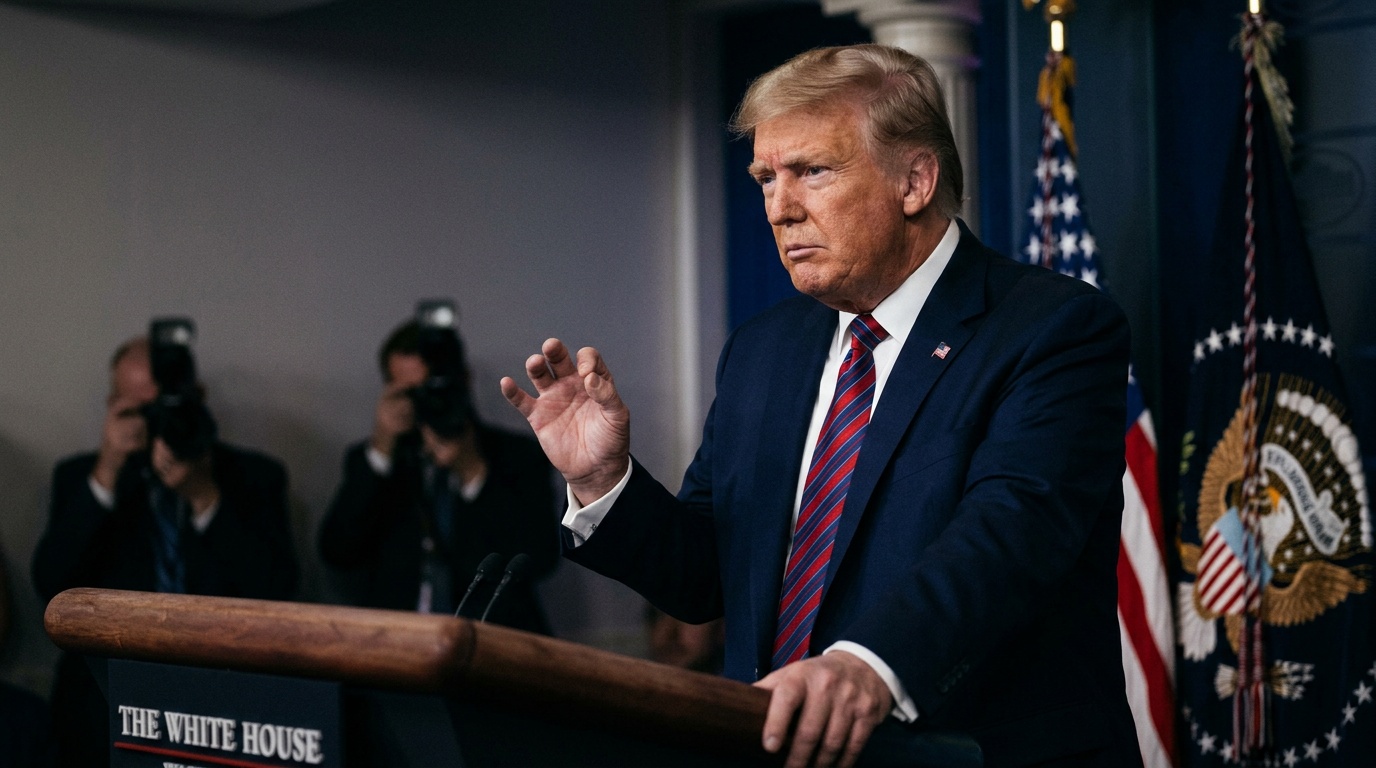
Around the same time, Trump told a rally in Michigan that the dispute would be wrapped up soon and claimed Canada was ready to offer broad concessions. "They're willing to give us anything at this moment," he said. He has separately said he expects Canada to push for a resolution within three to four weeks.
So one side says Canada has options and can wait. The other says Canada is ready to give anything. Somewhere in between is probably the actual deal.
Outside the negotiating room, companies are positioning around the policy churn. Bombardier Inc. (OTC: BDRBF) said it plans to invest $270 million in the U.S. with job creation across Texas, Indiana and Connecticut, and it also outlined a $50 million investment in Wichita, Kansas, for a North American Learning Center.
Whether that's strategic diversification or tariff insurance, it's the kind of check companies write when the rules keep changing.