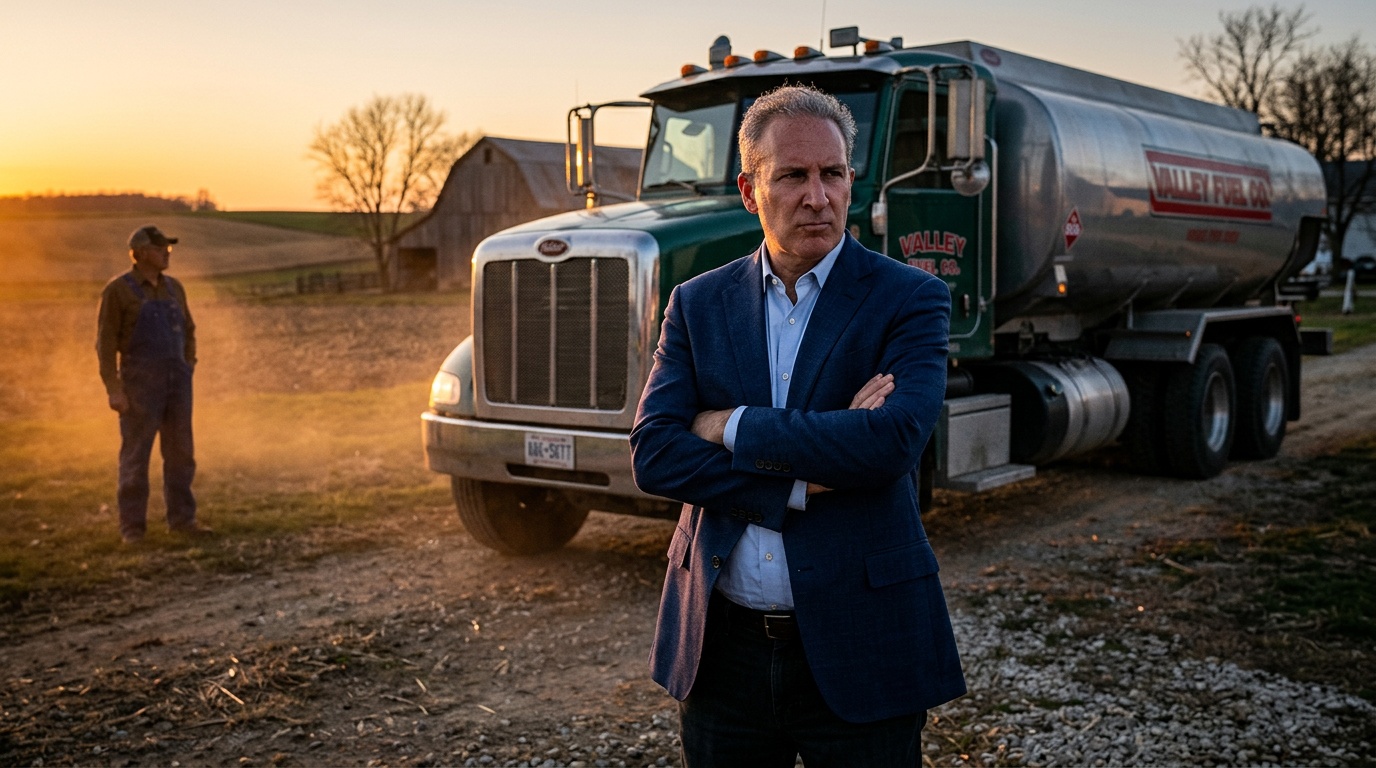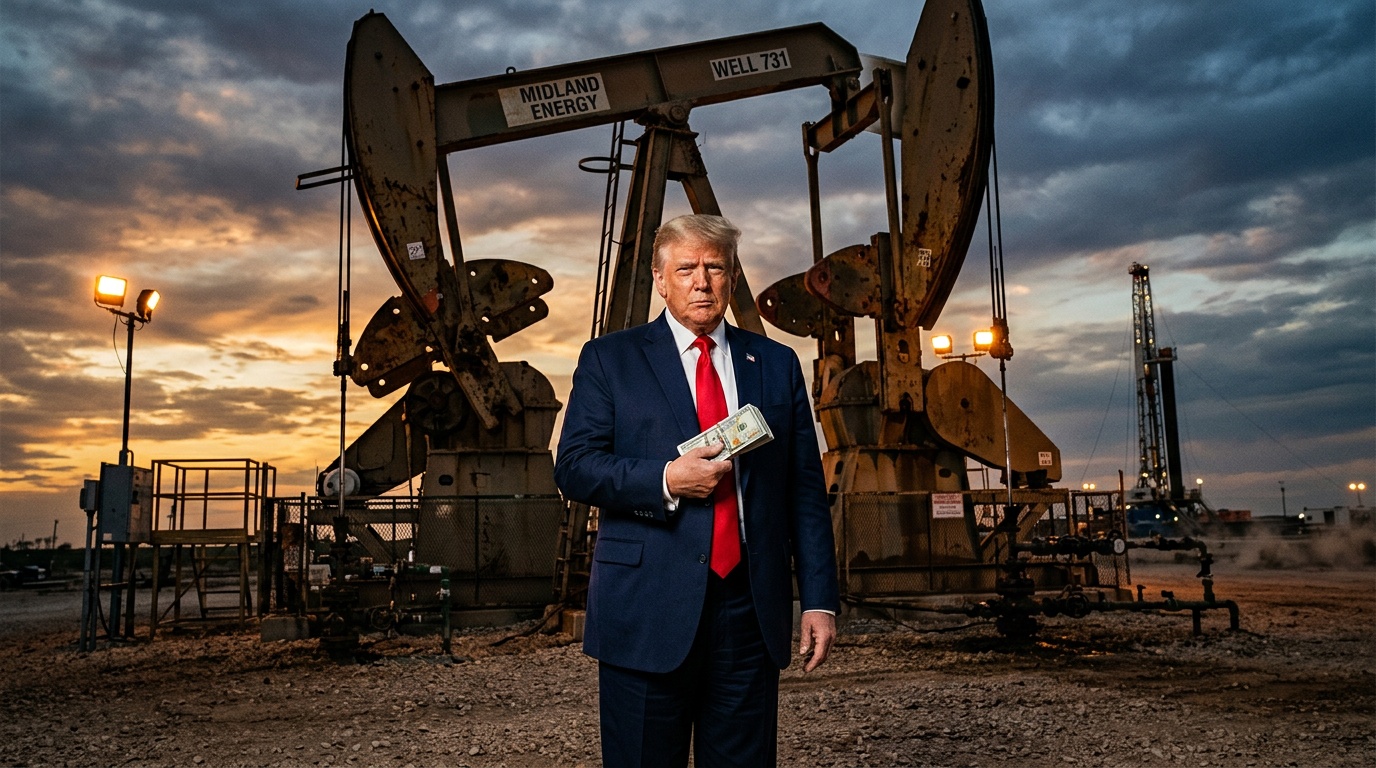
Economist Peter Schiff isn't buying the feel-good story behind President Donald Trump's latest farm bailout. On Monday, Schiff took to X to push back against an $8 billion diesel relief package for farmers, arguing that the government is essentially writing checks with other people's money.
"With Trump's additional $8 billion diesel relief package the government is on pace to pay farmers $55.4 billion in 2026," the Echelon Wealth Partners co-founder said. That's a staggering number, and Schiff was quick to point out it shatters the previous record of $45 billion farmers received during COVID in 2020.
But it's not just the size of the package that bothers Schiff. It's the principle. "Not right for the government to take money from non-farmers and give it to farmers," he added, framing the aid as a redistribution of wealth rather than a targeted fix for a specific problem.
The context here matters. Diesel costs have exploded, driven by the Iran war and the ongoing Russia-Ukraine conflict. That's a problem for anyone who relies on heavy machinery or long-haul trucks, and agriculture is right at the top of that list. Farmers need diesel to run their equipment, and truckers need it to move goods. When prices spike, both sectors feel the squeeze.
And spike they have. According to AAA data, a gallon of diesel cost $6.3492 on Monday. For reference, diesel was at $3.6616 a year ago. That's a massive jump, and it's feeding into higher energy costs, higher food prices, and a lot of frustration aimed at the Trump administration. Economist Steve Hanke noted that the farming and trucking voter base was turning against the President amid surging costs.
So Trump is trying to put out the fire. Beyond the $8 billion relief package, he signed an executive order temporarily allowing the sale of red-dyed diesel for highway use. Normally, that type of diesel is reserved for off-road applications like construction sites and farmlands. It's dyed red specifically to signal that it's exempt from the 24.4-cent-per-gallon federal diesel excise tax because it's not meant for highway use.
Under Trump's order, the federal tax on qualifying highway use of dyed diesel was temporarily deferred through the end of 2026. It's a workaround that lets truckers and others use the cheaper off-road fuel without paying the federal tax, at least for now. Illinois Gov. Jay Robert 'JB' Pritzker (D-IL) followed suit with a similar state order, allowing dyed diesel for highway use in the state.
The moves are designed to ease the burden on farmers and truckers, but they come with a hefty price tag. Schiff's criticism cuts to the heart of the debate: should the government be picking winners and losers, especially when the money comes from taxpayers who aren't directly benefiting? It's a question that's likely to linger as diesel prices remain stubbornly high and the 2026 election cycle heats up.