Elon Musk has been sounding the alarm on population collapse for years, and now he's using a new chart to drive the point home. The world's richest person shared a post on X that illustrates just how quickly some countries could shrink if fertility rates don't improve.
"Fertility rates are so abstract that people struggle to understand the scale of the catastrophe we're experiencing," X user @IterIntellectus wrote in the post Musk amplified. Musk added his own commentary: "I don't think people really understand what that means."
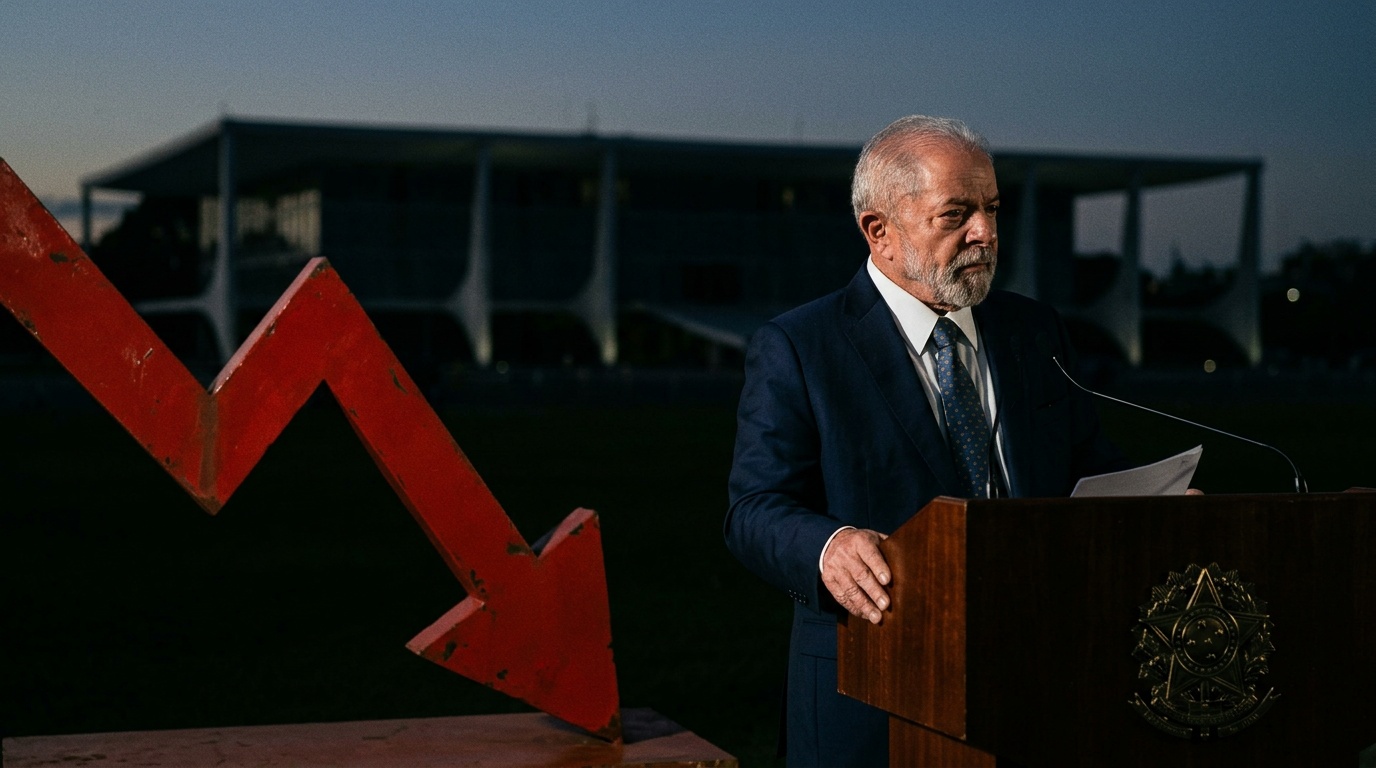
The chart highlights 14 countries at risk of seeing their populations dwindle by 90% or more over the next 100 years, based on current fertility statistics. For context, a fertility rate of around 2.1 is generally needed to keep a population stable. In some regions, like the U.S., the replacement rate is lower, around 1.7.
Countries Most at Risk
While Musk has frequently called out Japan for its demographic challenges, the country didn't even crack the top 15 on this list. Instead, Taiwan leads the pack with a fertility rate of 0.70, which projects a staggering 97.4% population decline over three generations.
Here are the 14 countries facing a 90% or greater population drop in 100 years, according to the data Musk shared:
- Taiwan: 0.70 fertility rate, 97.4% smaller population in 100 years
- South Korea: 0.80, 96%
- Andorra: 0.83, 95.5%
- Singapore: 0.87, 94.7%
- San Marino: 0.96, 92.6%
- Malta: 0.98, 92.1%
- Ukraine: 0.99, 91.8%
- Chile: 0.99, 91.8%
- Colombia: 1.00, 91.6%
- China: 1.01, 91.3%
- Belarus: 1.03, 90.7%
- Thailand: 1.03, 90.7%
- Lithuania: 1.04, 90.4%
- Argentina: 1.04, 90.4%
Musk, who has 14 children himself, has repeatedly urged people to have more kids. He's argued that declining birth rates pose a fundamental threat to civilization, and he's been particularly vocal about countries like Japan, where the population is already shrinking.
The billionaire's latest warning comes as many developed nations grapple with aging populations and shrinking workforces. While the chart focuses on extreme cases, it underscores a broader trend: across much of the world, people are having fewer children than needed to sustain current population levels.
Whether Musk's alarmism will spur action or just more debate remains to be seen. But the numbers he's highlighting are hard to ignore. If fertility rates don't rebound, some of these countries could face dramatic demographic shifts within just a few generations.