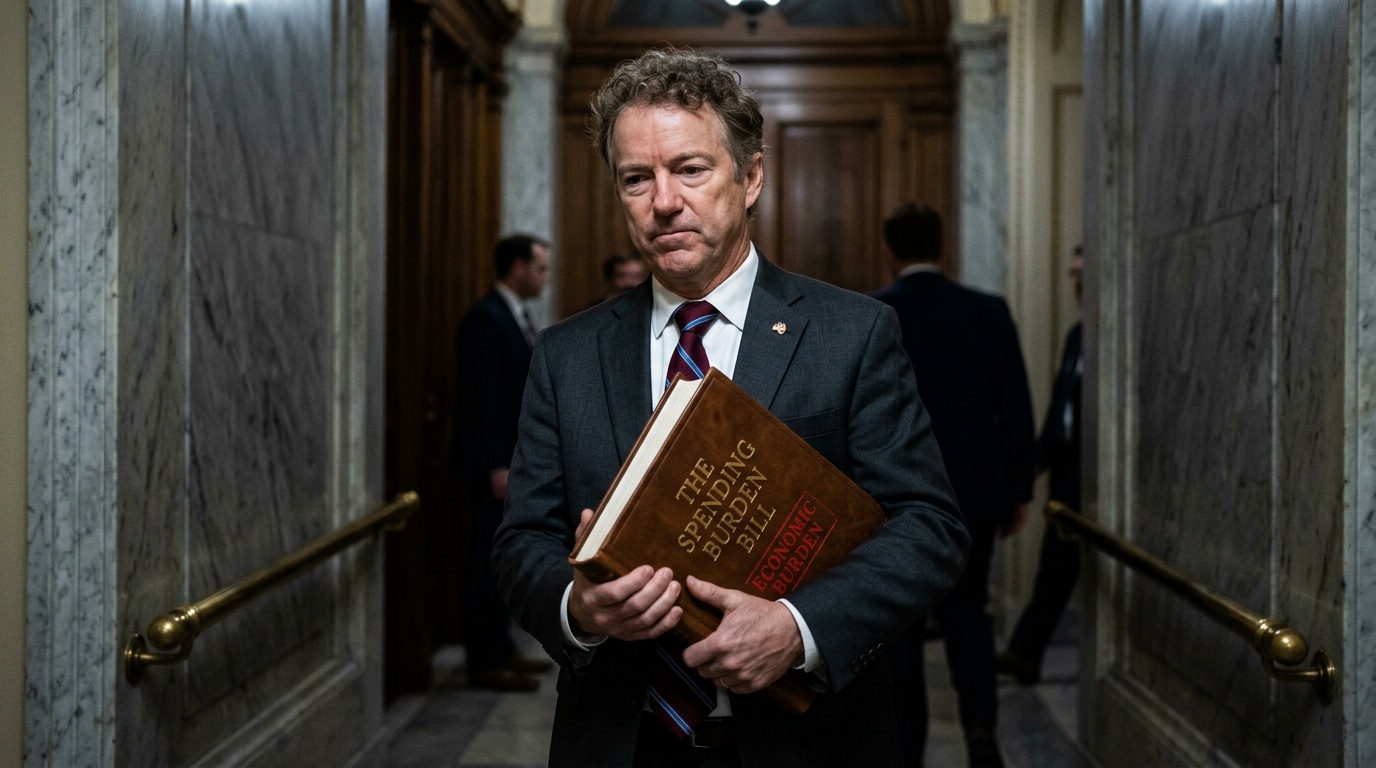
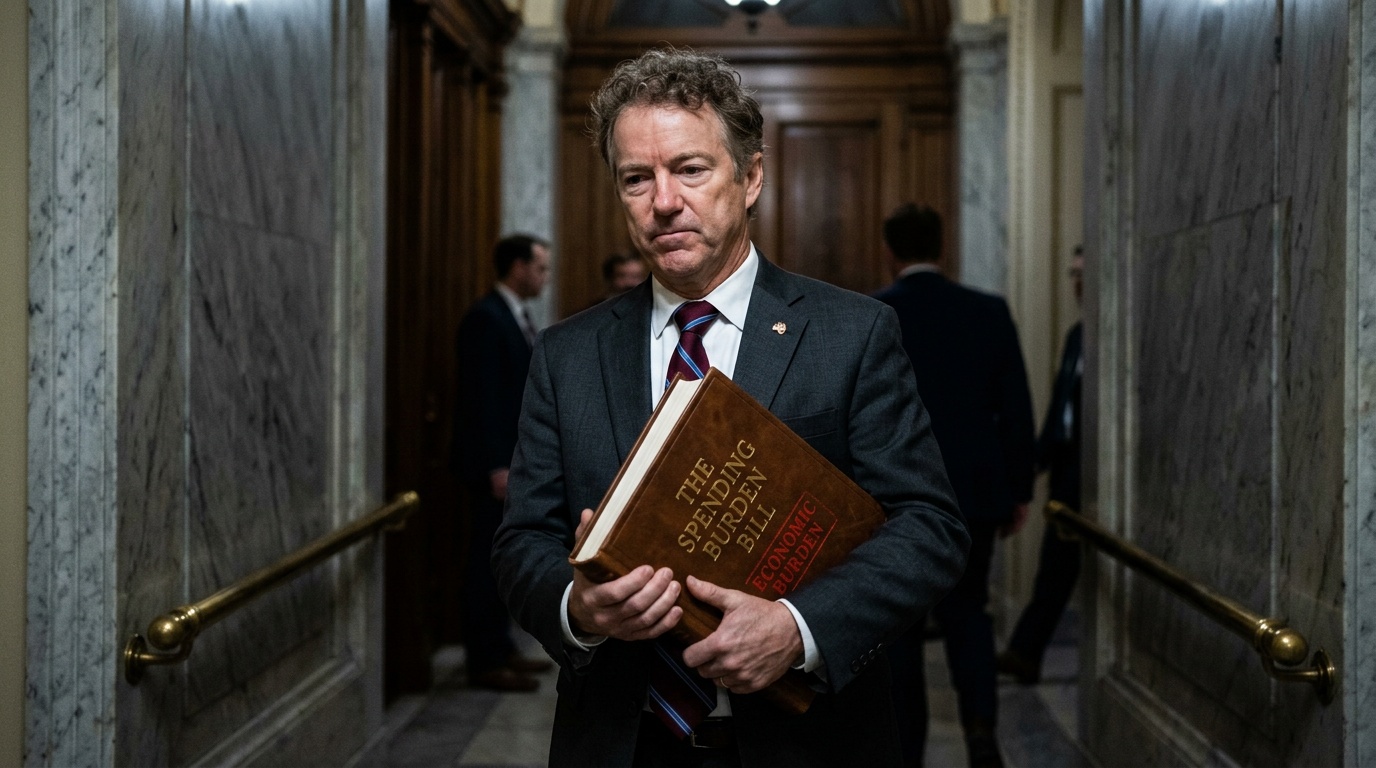
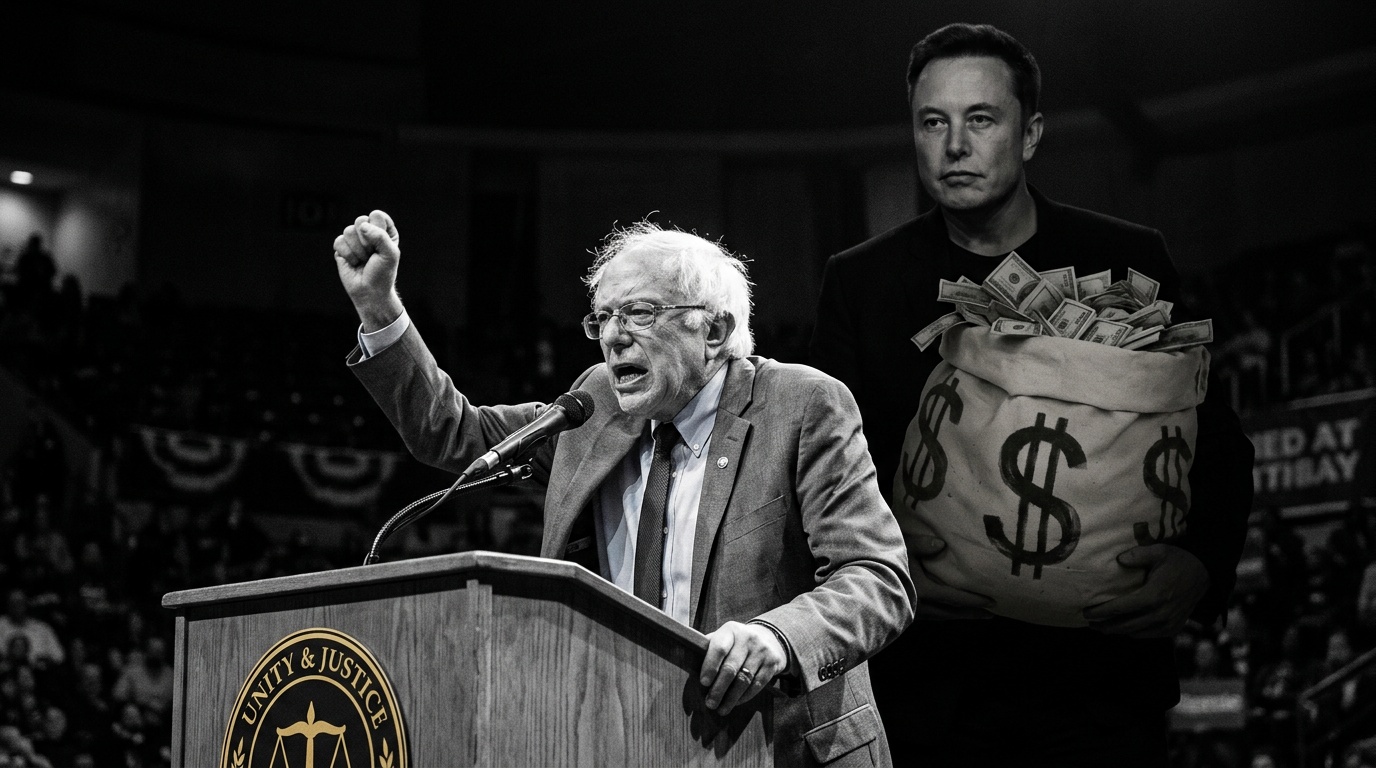
Sen. Rand Paul (R-Ky.) has a message for anyone who thinks government benefits are free: someone's gotta pay for them. And that someone, he argues, is the American taxpayer.
In a post on X on Wednesday, Paul took aim at the notion of government-funded benefits that come at no direct cost to recipients. "The reality of socialism's 'free' things? Higher taxes, out-of-control debt, and fewer opportunities for everyone," he wrote.
He didn't mince words about the fiscal picture, either. "With the national debt above $40 trillion and inflation still at 3.7%, we cannot afford to add trillions more to the pile," Paul wrote, citing both the debt and inflation as reasons to slam the brakes on additional government spending.
His solution? "Across-the-board cuts and balancing the budget," he said, pointing to his Six Penny Plan as the vehicle for reducing federal spending and bringing the budget into balance.
The Debt Debate: How Worried Should We Be?
Paul's warning comes as the US recorded a $1.992 trillion fiscal 2026 budget deficit, with interest payments exceeding defense spending. That's a milestone that makes even seasoned economists sit up straight.
Moody's Analytics Chief Economist Mark Zandi has warned of a "fiscal reckoning" as borrowing costs rise. But not everyone sees the $40 trillion debt as an imminent catastrophe.
Last week, BlackRock Inc. (BLK) CEO Larry Fink said the $40 trillion national debt "will not be as consequential" if AI investments drive economic growth to 3% or higher, potentially lowering the debt-to-GDP ratio. However, he cautioned that we could see "structurally higher interest rates for longer."
In August, Carson Group Chief Market Strategist Ryan Detrick urged investors to avoid "denominator blindness" by considering rising household wealth alongside the debt. He estimated that US household net wealth had grown from $101 trillion nine years earlier to $183 trillion as national debt reached $40 trillion. In other words, the pie has gotten bigger, even if the debt has too.
Inflation Heats Up in September
Meanwhile, inflation isn't exactly cooperating with the "everything's fine" narrative. US annual inflation rose to 3.7% in September from 3.4% in August, exceeding economists' 3.6% forecast. On a monthly basis, CPI increased 0.6%.
Core inflation, which strips out volatile food and energy prices, reached 2.6% annually, still above the Federal Reserve's 2% target. Gasoline prices surged 9.1%, accounting for more than half of the monthly CPI increase, while shelter costs rose 0.4%.
So while Paul beats the drum for fiscal restraint, the data suggests the pressure on American wallets isn't letting up anytime soon. Whether his Six Penny Plan gains traction or not, the conversation about debt, taxes, and 'free' benefits is far from over.