Iranian Foreign Minister Abbas Araghchi wants to make one thing clear: Tehran is still willing to talk. But he also wants Washington to know that another round of military strikes would not go the way the White House might hope.
In a Wednesday post on X, Araghchi said Iran would reconsider negotiations if Washington genuinely committed to building trust and reaching a fair agreement. He shared the message alongside his opinion piece published in the Financial Times.
"But if US chooses war over diplomacy, it'll certainly result in an even greater strategic failure," he wrote.
Iran Questions Trump's Commitment to Peace
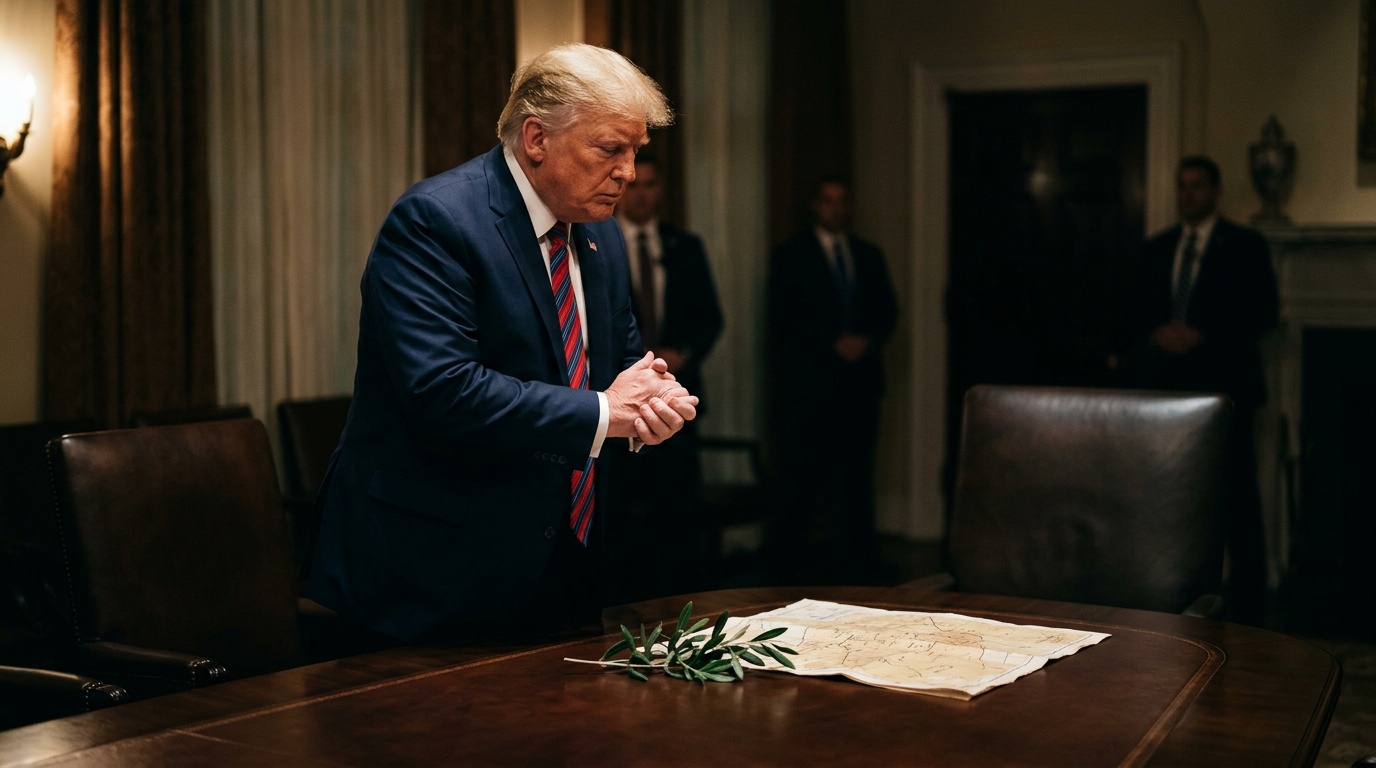
In the opinion piece, Araghchi accused Washington of undermining diplomatic efforts by attacking Iran during previous rounds of negotiations. He cited attacks in June 2025 and February 2026, as well as another strike in June 2026, shortly after Trump and Iranian President Masoud Pezeshkian signed an agreement.
Araghchi said these events had left Tehran unconvinced that the U.S. genuinely wanted a lasting peace. "How can we trust a U.S. president again?" he wrote.
Despite his skepticism, the Iranian foreign minister said his diplomatic role required him to pursue negotiations, even with limited chances of success. That's a diplomat's job, after all: keep the door open even when the hallway smells like smoke.
Iran Proposes Seven-Day Plan to Reopen Strait of Hormuz
Araghchi said Iran presented Washington with a seven-day proposal through mediators during the UN General Assembly last month. Under the plan, the Strait of Hormuz would reopen on the sixth day, followed by negotiations toward a final agreement on the seventh day.
He argued that implementing the proposal could help restore normalcy across the region. For anyone watching global energy markets, the Strait of Hormuz is the chokepoint that keeps oil traders up at night. Reopening it would be a big deal.
Araghchi Warns of Economic Costs and Further Escalation
The Iranian minister said the conflict had cost American consumers an estimated $265 billion this year, or roughly $2,000 per household, citing Moody's. He said higher energy prices accounted for about half the cost.
Araghchi also argued that Iran's geographic position gives it significant leverage over shipping through the Strait of Hormuz.
"President Trump made mistaken assumptions about Iran when entering this war. Repeating that error now will only result in an infinitely more painful outcome," the minister stated.
US-Iran Talks Hit Nuclear Standoff
Meanwhile, reports suggested that Iran was prolonging negotiations with the U.S. to undermine Trump ahead of the Nov. 3 midterm elections. Washington wants Iran's nuclear program on the negotiating table from the outset, while Tehran insists its own conditions must be addressed first.
Late Wednesday, WTI crude futures rose 1.26% to $98.37 per barrel, while Brent crude futures gained 1.57% to $110.53 per barrel.
According to data from the American Automobile Association (AAA), the national average price of regular gasoline is $4.2644 per gallon. Diesel prices are higher at $6.3174 per gallon, while E85 averages $3.3000 per gallon.
So where does this leave things? Iran says it's ready to give diplomacy another chance. The U.S. says the nuclear program has to be on the table from day one. And oil markets are pricing in plenty of uncertainty. For retail investors, the takeaway is simple: watch the Strait, watch the pumps, and keep an eye on Nov. 3.