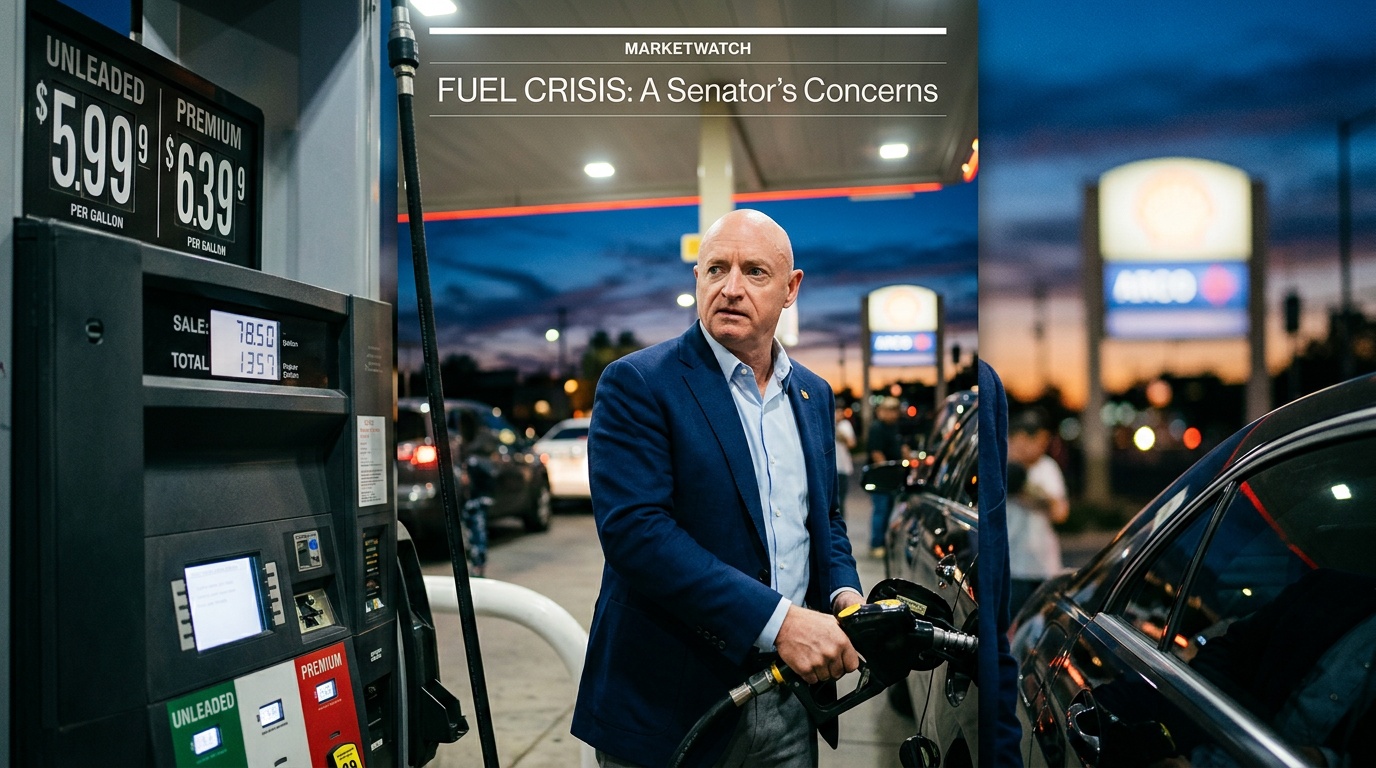
There are a lot of ways to measure the cost of a war. You can count barrels, you can count dollars, or you can count houses. GasBuddy analyst Patrick De Haan went with houses.
In a post on X on Tuesday, De Haan highlighted the growing strain on household budgets from higher prices at the pump. By his math, Americans have spent an extra $138.8 billion on gasoline and diesel since March 1, when the Iran war-driven energy shock began.
"That's roughly the same as buying 337,897 homes at the median US home price of $410,700," he said. Those houses, he added, could accommodate a population of 845,000 to 860,000 people — comparable to the entire resident population of Indianapolis, Indiana.
It is a striking way to frame what has happened to the everyday cost of driving. A few extra cents per gallon does not sound like much until you multiply it by every fill-up in the country, every week, for months.
What the Pump Says Now
According to data from the American Automobile Association (AAA), the national average price for a gallon of gas on Wednesday was $4.2644, a marginal decline from Tuesday's average of $4.2786. Diesel, meanwhile, remained above $6 a gallon at $6.3174.
So prices are easing at the margins, but they are still nowhere near where they were before the conflict started.
Iran Says No Negotiations
Amid rising tensions, Iran's Security Chief Mohsen Rezaee warned that there would be no negotiations between the U.S. and Iran to reopen the Strait of Hormuz and to deter its nuclear efforts until the U.S. and President Donald Trump agree to fulfill Tehran's seven conditions, including sanctions relief and more.
Meanwhile, Obsidian Risk Advisors' Managing Principal Brett Erickson warned that Iran's new list of 122 vessels that it sees as non-compliant could point to Tehran targeting ships beyond the Strait of Hormuz and into the Persian Gulf and the Gulf of Oman.
In other words, the risk is not just confined to one chokepoint. It can spread.
Oil Is Moving Again
At the time of writing, West Texas Intermediate (WTI) crude futures contracts ending in December 2026 surged 2.05% to $99.83. Brent futures contracts ending in December surged 1.65% to $110.58 at press time.
The United States Oil Fund (NYSE:USO) gained 1.62% to $163.24 during pre-market trading on Wednesday, while the ProShares Ultra Bloomberg Crude Oil (NYSE:UCO) ETF rose 1.80% to $64.50 during pre-market trading.
Disclaimer: This content was partially produced with the help of AI tools and was reviewed and published by MarketDash editors.