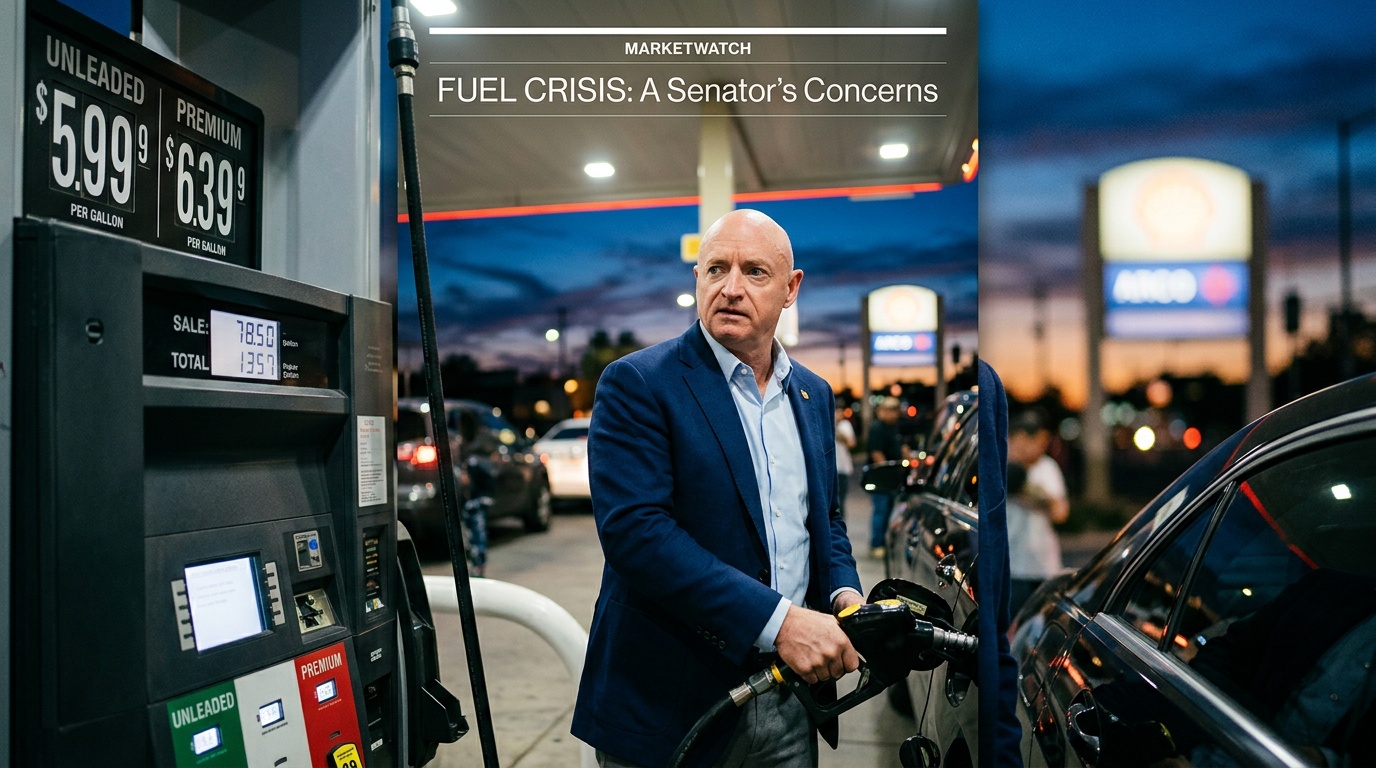
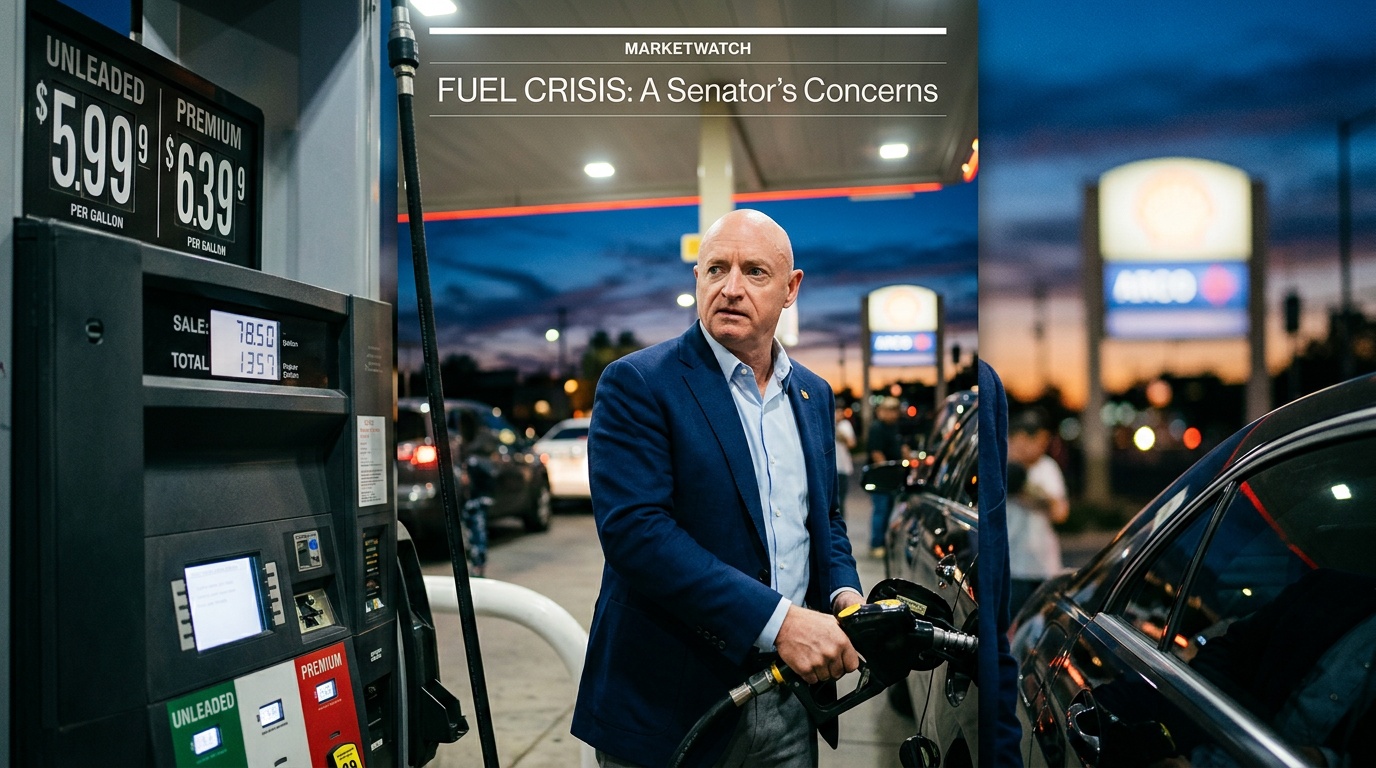
Sen. Mark Kelly (D-Ariz.) wants drivers to catch a break at the pump. On Tuesday, he said in a post on X that he is fighting to suspend federal fuel taxes, arguing that Americans need relief while gasoline prices remain elevated.
"Gas prices are still too high," he wrote.
He added, "I'm fighting to suspend federal gas and diesel taxes to put money back in the pockets of every American who drives to work, drops their kids off at school, or fills up their truck."
The numbers back up the complaint. According to AAA data, the national average price of regular gasoline stood at $4.26 per gallon on Wednesday, while diesel averaged approximately $6.32 per gallon.
Trump Defends Energy Policy
Kelly's push comes as the White House tries to manage the political fallout from high fuel costs. On Sunday, President Donald Trump's administration announced $8 billion in farmer aid to offset higher diesel costs during the 2026 crop year.
Sen. Roger Marshall (R-Kan.) praised the assistance, while Trump promised more funding if Republicans won the midterms.
Energy Secretary Chris Wright defended Trump over rising energy costs, citing "short-term political pain" in efforts to lower prices. He also criticized Democrats' energy policies and argued that Democrat-led states had higher fuel prices than Republican-led states.
Gas Tax Debate Intensifies
The debate is heating up on both sides. Last week, Sen. Ted Cruz (R-Texas) defended Republican economic policies, criticizing Democrats over taxes, health care and affordability while citing record median family income and historically low poverty levels.
Not everyone thinks a gas tax holiday is a free lunch. Economist Peter Schiff warned that suspending the federal gas tax could increase fuel demand and prices while widening the budget deficit and fueling inflation.
He wrote, "Demand moves opposite to price," calling it "Econ 101."
States are weighing in too. In June, Illinois Gov. JB Pritzker (D) backed a six-month delay of a scheduled 1.3-cent-per-gallon inflation-based increase in the state's motor fuel tax, pushing the increase from July 2026 to January 2027.