






Iran has threatened to target critical digital infrastructure across the Middle East if fighting with the US intensifies, as disagreements over a proposed peace deal and rising risks to shipping through the Strait of Hormuz threaten to derail diplomatic efforts.
Iran Threatens Middle East AI Data Centers and Undersea Cables as Hormuz Talks Stall
MarketDash
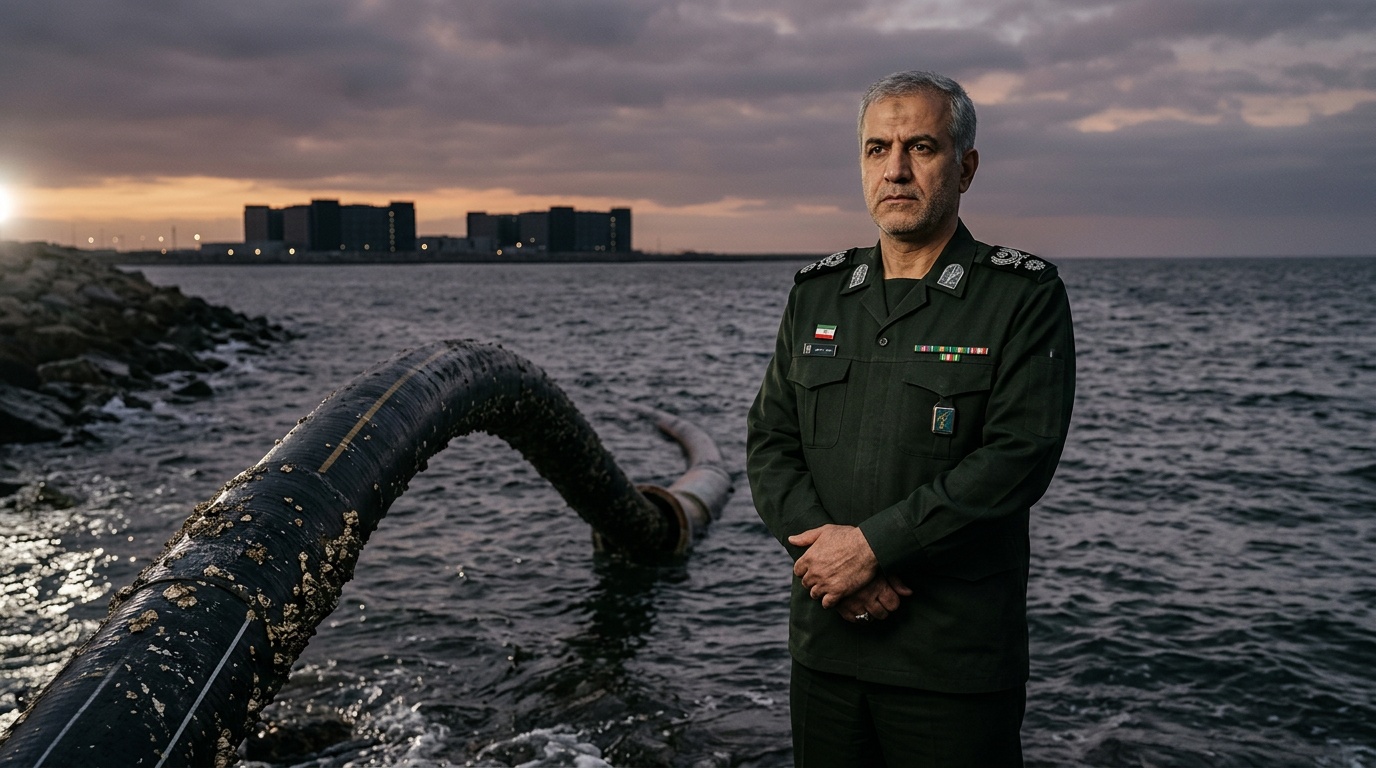
Iran's security chief says the US response to its peace proposal is 'insufficient' and warns that critical digital infrastructure could become a target if the war escalates.
Get Market Alerts
Weekly insights + SMS alerts
Iran Calls US Response to Peace Proposal 'Insufficient'
Mohsen Rezaei, head of Iran's Supreme National Security Council and a former Islamic Revolutionary Guard Corps commander, said Tehran remains dissatisfied with Washington's latest response to its proposal to end the war and restore shipping through the Strait of Hormuz, PBS reported over the weekend, citing state-run IRNA.
Rezaei described the US response as "insufficient," adding that Washington had accepted some of Iran's seven conditions but had yet to clarify others.
He said Iran was no longer responding to the US and that Washington needed to resolve outstanding issues, without specifying what they were.
Iran presented a revised proposal during last month's annual UN gathering of world leaders. The plan resembled a memorandum of understanding Washington and Tehran signed in June that collapsed days later.
Although the latest proposal was rejected, the two sides have reportedly continued communicating through mediators.
Iran Threatens Regional AI Infrastructure, Data Centers
Rezaei warned that renewed intense fighting could put critical technology infrastructure at risk, including "cables, data centers, AI facilities and other sites in the region."
The threat raises concerns about potential disruptions to telecommunications networks, cloud computing services and artificial intelligence operations if the conflict escalates.
Strait of Hormuz Shipping Risks Rise
Meanwhile, Iran's Revolutionary Guard navy warned that ships switching off their navigation and identification systems while transiting the Strait of Hormuz would be considered "hostile," IRNA reported.
The warning comes as attacks on vessels passing through the strategic waterway have increased following the rejection of Iran's proposal. One such attack was reported Sunday.
Earlier this month, Rezaei warned that Iran's economy was facing a deepening crisis as the rial weakened under sanctions and a US naval blockade disrupted oil shipments and trade.
Washington has also restricted most civilian air travel to and from Iran, further isolating the country.
Disclaimer: This content was partially produced with the help of AI tools and was reviewed and published by MarketDash editors.
More News
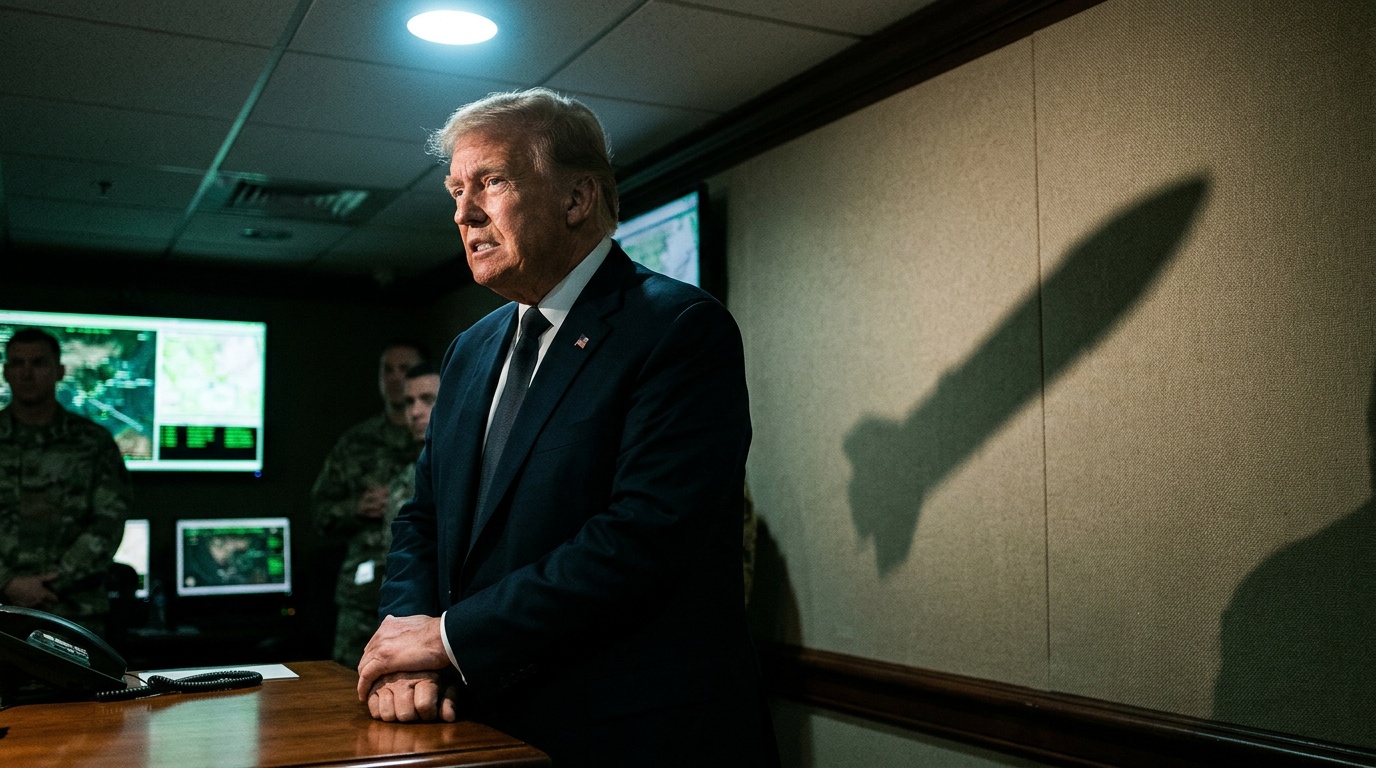
Trump Weighs US Action in Yemen After Houthi Missile Strike Kills American at Riyadh Airport

Trump Says Russia And Ukraine Have An Energy Ceasefire: 'Do Not Break It!'
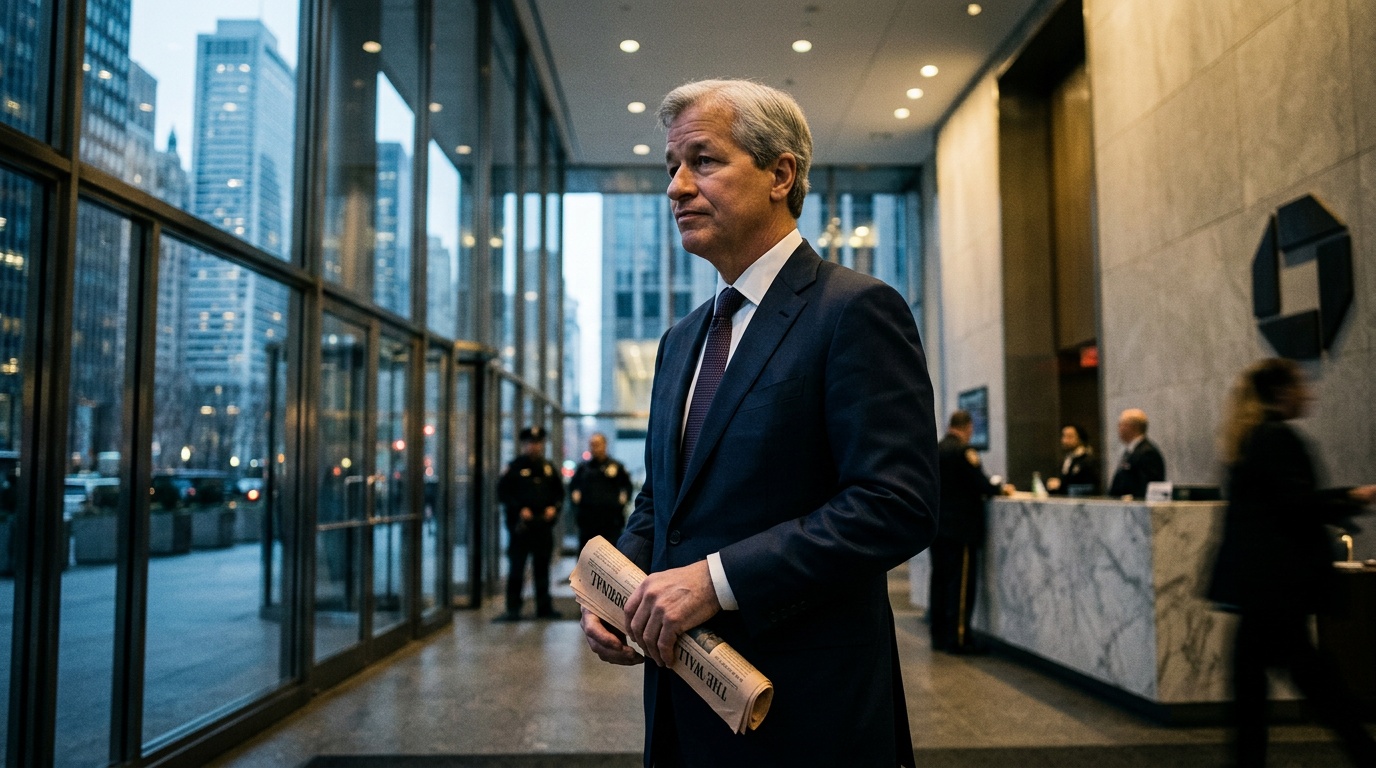
Earnings Season Kicks Off With Big Banks, But Options Traders Are Watching These 10 Stocks For Wild Swings

Tesla's Week: FSD Gets A European Rebrand, Musk Gets A Medal, And Q3 Deliveries Beat The Street
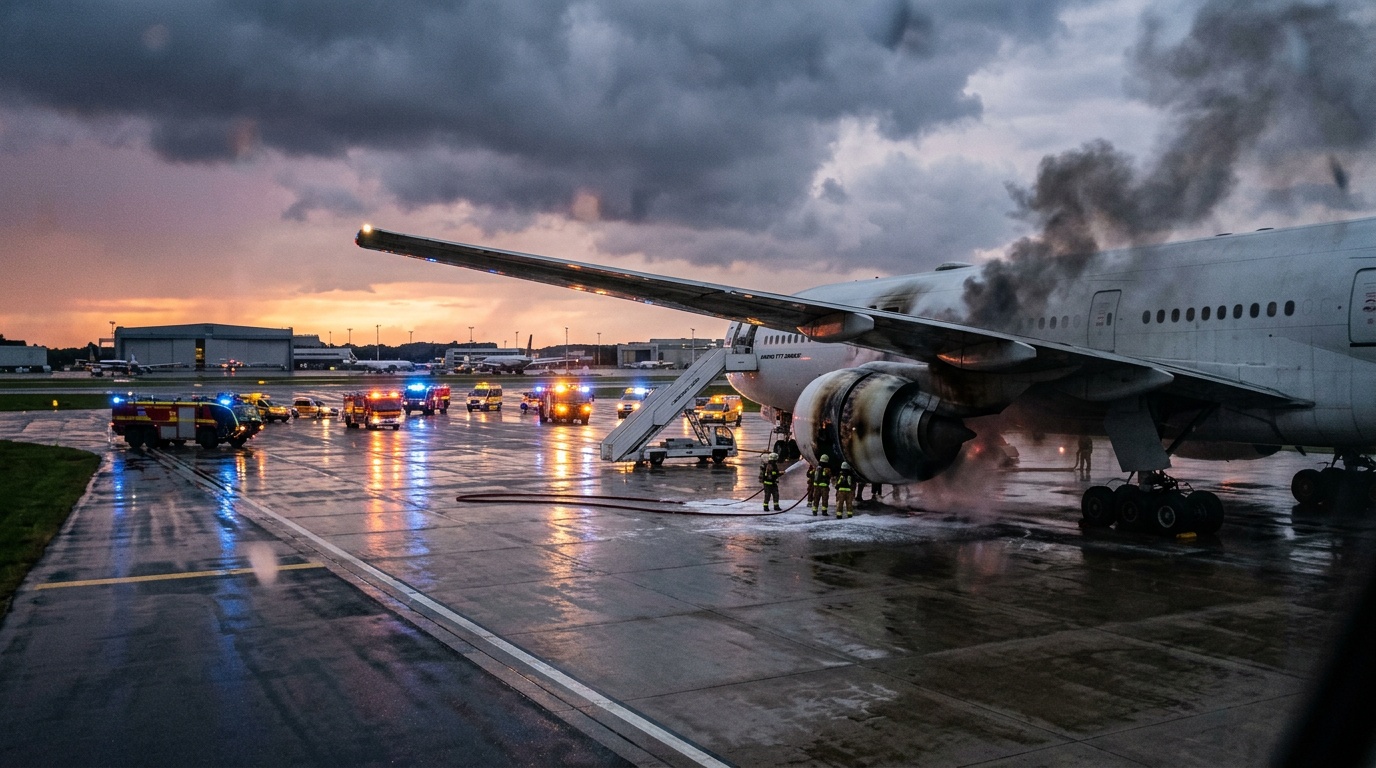
Riyadh Airport Attack Deepens Airline Crisis as Fuel Costs Threaten Survival

Trump's Russian Diesel Deal Sparks Bipartisan Backlash — Senators Demand He 'Immediately Reverse Course,' Kamala Harris Says It 'Reeks of Weakness'
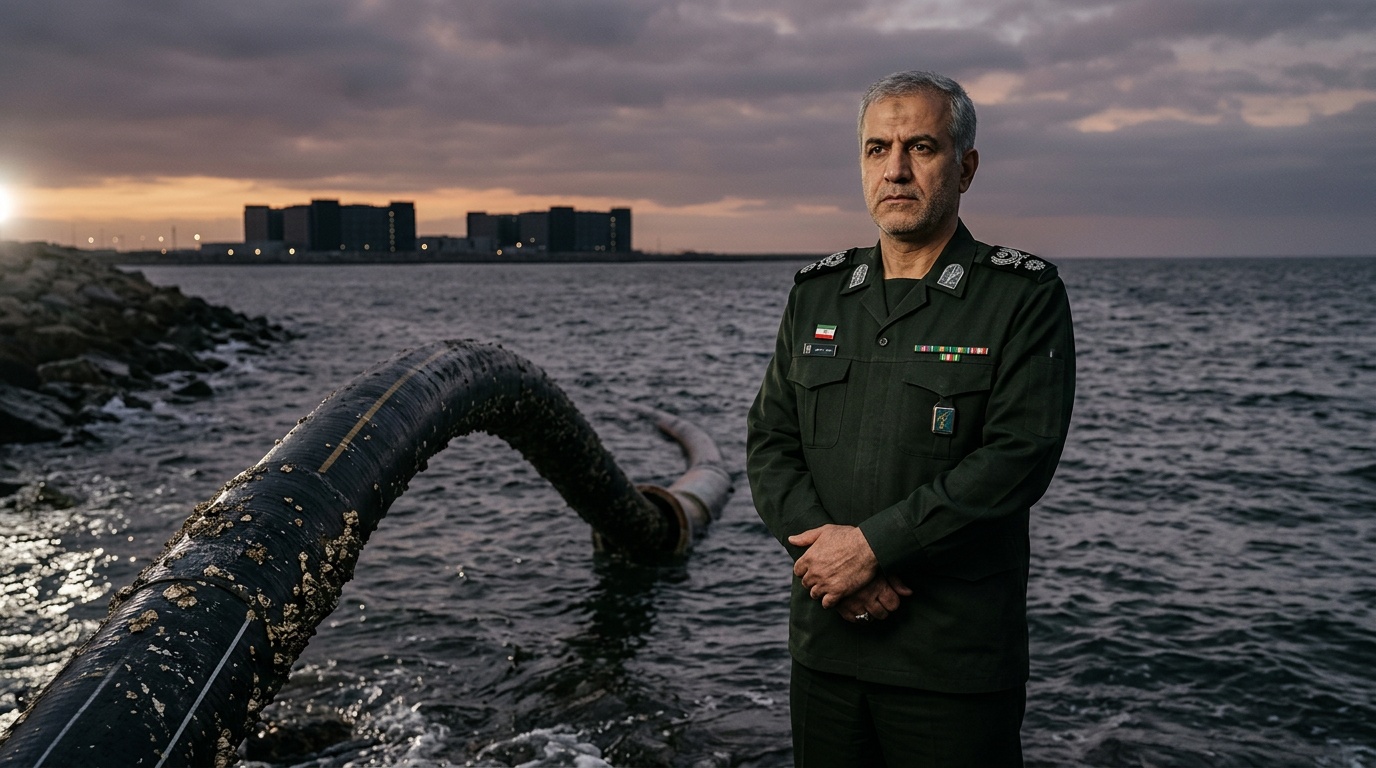
Iran Threatens Middle East AI Data Centers and Undersea Cables as Hormuz Talks Stall

Canary CEO's 30-Year Bond Bear Call Raises a Bigger Question for REIT ETFs
Get Market News Alerts
Real-time alerts on price moves, news, and trading opportunities.
Join 20,000+ investors. No spam, ever.
Featured Articles
View all newsTrump Weighs US Action in Yemen After Houthi Missile Strike Kills American at Riyadh Airport
By MarketDash
October 11, 2026
Trump Says Russia And Ukraine Have An Energy Ceasefire: 'Do Not Break It!'
By MarketDash
October 11, 2026
Earnings Season Kicks Off With Big Banks, But Options Traders Are Watching These 10 Stocks For Wild Swings
By MarketDash
October 11, 2026
Tesla's Week: FSD Gets A European Rebrand, Musk Gets A Medal, And Q3 Deliveries Beat The Street
By MarketDash
October 11, 2026
Riyadh Airport Attack Deepens Airline Crisis as Fuel Costs Threaten Survival
By MarketDash
October 11, 2026
Trump's Russian Diesel Deal Sparks Bipartisan Backlash — Senators Demand He 'Immediately Reverse Course,' Kamala Harris Says It 'Reeks of Weakness'
By MarketDash
October 12, 2026
Canary CEO's 30-Year Bond Bear Call Raises a Bigger Question for REIT ETFs
By MarketDash
October 11, 2026