What if the cheapest way to put more people in electric vehicles was to let in the Chinese? That's the argument from Chris Larsen, the co-founder of Ripple Labs, who thinks California is missing a huge opportunity by keeping out low-cost Chinese EVs.
On the podcast "On with Kara Swisher" this Monday, Larsen made a case for letting Chinese automakers like BYD Co. Ltd. (OTC: BYDDY) (OTC: BYDDF) sell their budget-friendly cars in the Golden State. He pointed to the BYD Seagull, a model that sells for around $10,000, and called it a "fabulous car."
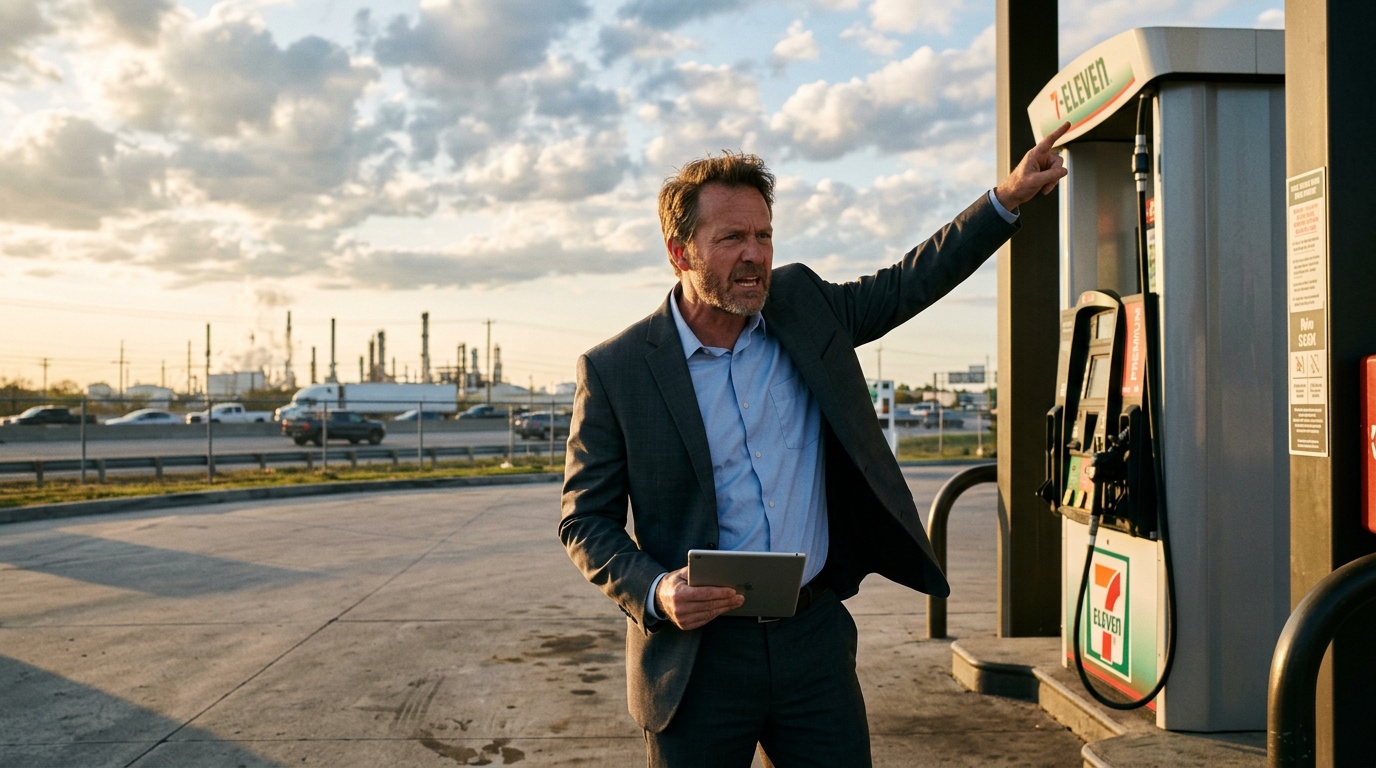
"We should be letting that into California at least for our low-income folks," Larsen said, noting that high gas prices in the state are hitting people hard, especially with the ongoing Iran war. He also highlighted California's gas tax, which adds roughly 70 cents per gallon, calling it "the most regressive tax in the world."
"That's hurting the guy that can't afford to live in Silicon Valley," he added, suggesting, "Let him buy a Chinese BYD Seagull."
Larsen's comments come as the debate over Chinese EVs in the U.S. heats up. While some see them as a threat to national security and domestic automakers, others view them as a way to make EVs more accessible and reduce reliance on gasoline.
Meanwhile, Ford Motor Co. (NYSE: F) is pushing back against the Trump administration's stance on China. Transportation Secretary Sean Duffy reportedly sent a letter to Ford's CEO Jim Farley, urging the company to wind down its ties with Chinese companies like BYD, citing national security risks. Ford called the letter a "wrongheaded attempt" to grab headlines and denied any plans to set up joint ventures with Chinese automakers to give them access to the U.S. market.
Interestingly, Canada has already taken a different approach. The country agreed to allow up to 49,000 Chinese-made EVs into its market at a reduced tariff rate as part of a deal with Beijing. That move highlights the growing divide in how North American countries are handling Chinese EV imports.
For California, the question is whether the potential benefits of affordable EVs outweigh the political and security concerns. With gas prices staying high, Larsen's argument might resonate with more people, especially those struggling to make ends meet.
As the conversation continues, it's clear that Chinese EVs are becoming a bigger part of the global auto industry's future. Whether the U.S. embraces them or not, they're already making waves elsewhere.