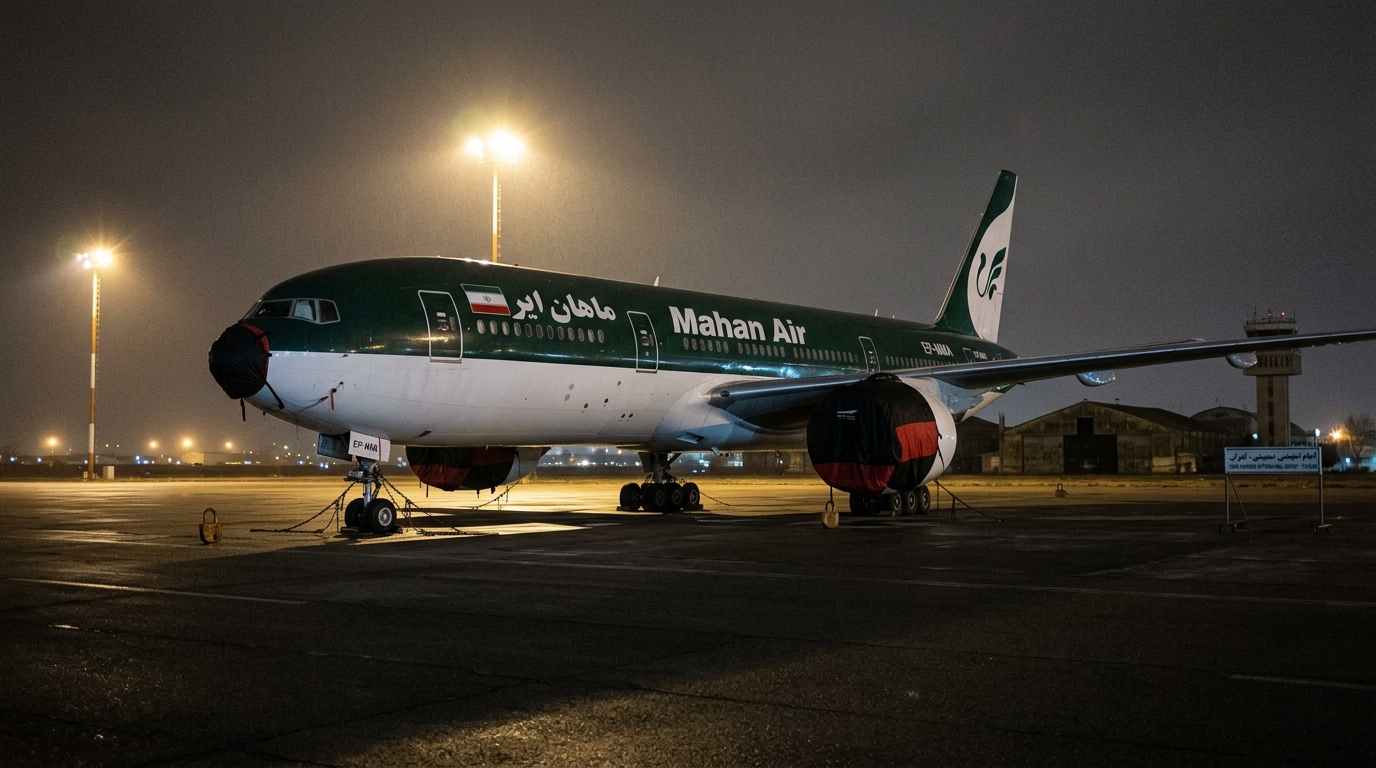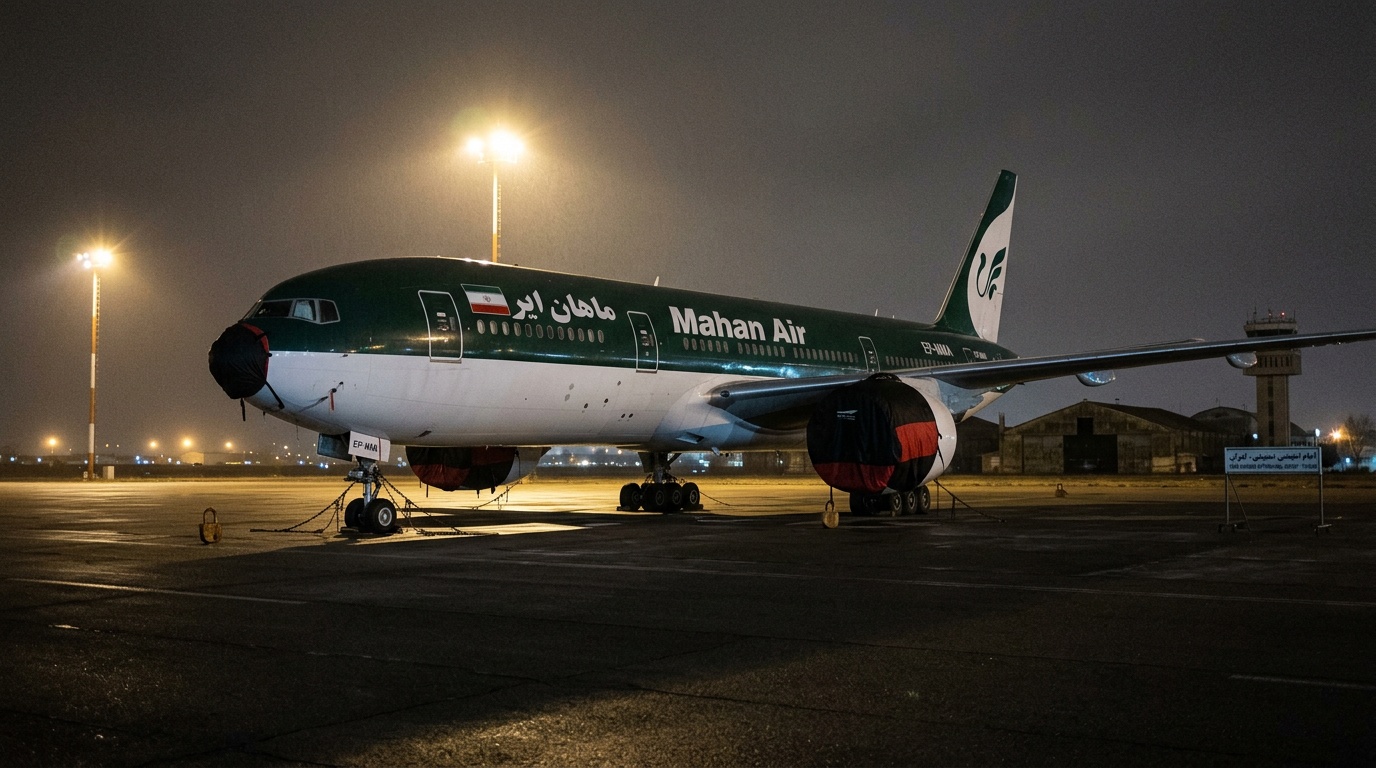
If you thought the U.S. was done squeezing Iran's economy, think again. On Tuesday, the Trump administration turned its attention to the skies, slapping sanctions on 27 Iranian airlines and nine foreign companies that help them operate. The move is part of the broader Operation Economic Outcast, and it's aimed squarely at Mahan Air, the airline that Washington says has been a lifeline for the Islamic Revolutionary Guard Corps-Quds Force.
The Treasury Department's Office of Foreign Assets Control (OFAC) designated 36 targets in total and suspended three Iran-related aviation authorizations, including permissions for overflights and certain non-U.S. flights into Iran. That's a big deal for anyone who thought they could still fly over Iranian airspace or land there without getting tangled in U.S. sanctions.
Treasury Secretary Scott Bessent didn't mince words in the press release. "Under Operation Economic Outcast, we promised severe consequences for those providing financial lifelines to the Iranian regime," he said. "Let this be a warning to anyone doing business with Iran's remaining airlines, all of which we sanctioned today: You are at risk of being cut off from the global financial system."
So, what's the specific beef with Mahan Air? Treasury says the airline received at least three Boeing 777 aircraft this summer, but here's the twist: these weren't brand new planes. They were retired jets that took a scenic route through the United Arab Emirates and Oman before ending up in Mahan's fleet. Two companies allegedly played middleman: UAE-based ECT Aviation Support and Turkey-based Sky Phoenix. They're now on the sanctions list too.
This isn't Mahan Air's first rodeo with sanctions. Washington first hit the airline back in 2011 for supporting the Quds Force, and Treasury went after its overseas network again in July. But Tuesday's action goes further, targeting cargo and sales agents in Turkey, Malaysia, and Kazakhstan. For instance, Turkey-based S Sistem allegedly coordinated shipments of drone components and industrial equipment, while Malaysia-based Icargo handled U.S.-origin parts for Mahan Air.
The broader context here is Operation Economic Outcast, which Bessent launched on Aug. 24 with a dramatic flourish, calling it an "economic D-Day." The goal is to sever Iran's remaining financial lifelines, and the campaign has already gone after nearly 60 Iran-linked entities, individuals, and vessels. Since then, it's expanded to cover aviation, shipping, technology, gold, and digital assets. The idea is to systematically close off every avenue the regime might use to fund its activities.
Bessent has been pretty blunt about the expected outcome. He recently warned that Iran's economy could collapse "within weeks or months," and he framed Washington's goal as making the regime "come to their senses." That's a bold prediction, but the administration is clearly betting that economic pressure will force a change in behavior.
For anyone still doing business with Iran's airlines, the message is clear: you're in the crosshairs. Under Tuesday's designations, any U.S.-based property belonging to the sanctioned targets is blocked, and Americans are generally prohibited from transacting with them. Treasury also warned foreign firms that providing aircraft transfers, cargo services, or sales-agent support to sanctioned Iranian airlines could trigger penalties. So, if you're a foreign company thinking about helping Mahan Air get its hands on more planes, you might want to reconsider.
The sanctions are a reminder that the U.S. is willing to go after the infrastructure that keeps Iran's aviation sector flying, even if it means targeting companies in third countries. It's a complex web of intermediaries, and Treasury is pulling at the threads.