The trade war between the U.S. and Canada just got a lot more personal, or at least a lot more alcoholic. The Trump administration has slapped new import bans on a range of Canadian goods, including beer, wine, whiskies, vodka, and other spirits. The bans, set to kick in on Sept. 29, also cover motorcycles, molasses, whey products, and even non-alcoholic beer. Because nothing says 'trade dispute' like banning near-beer.
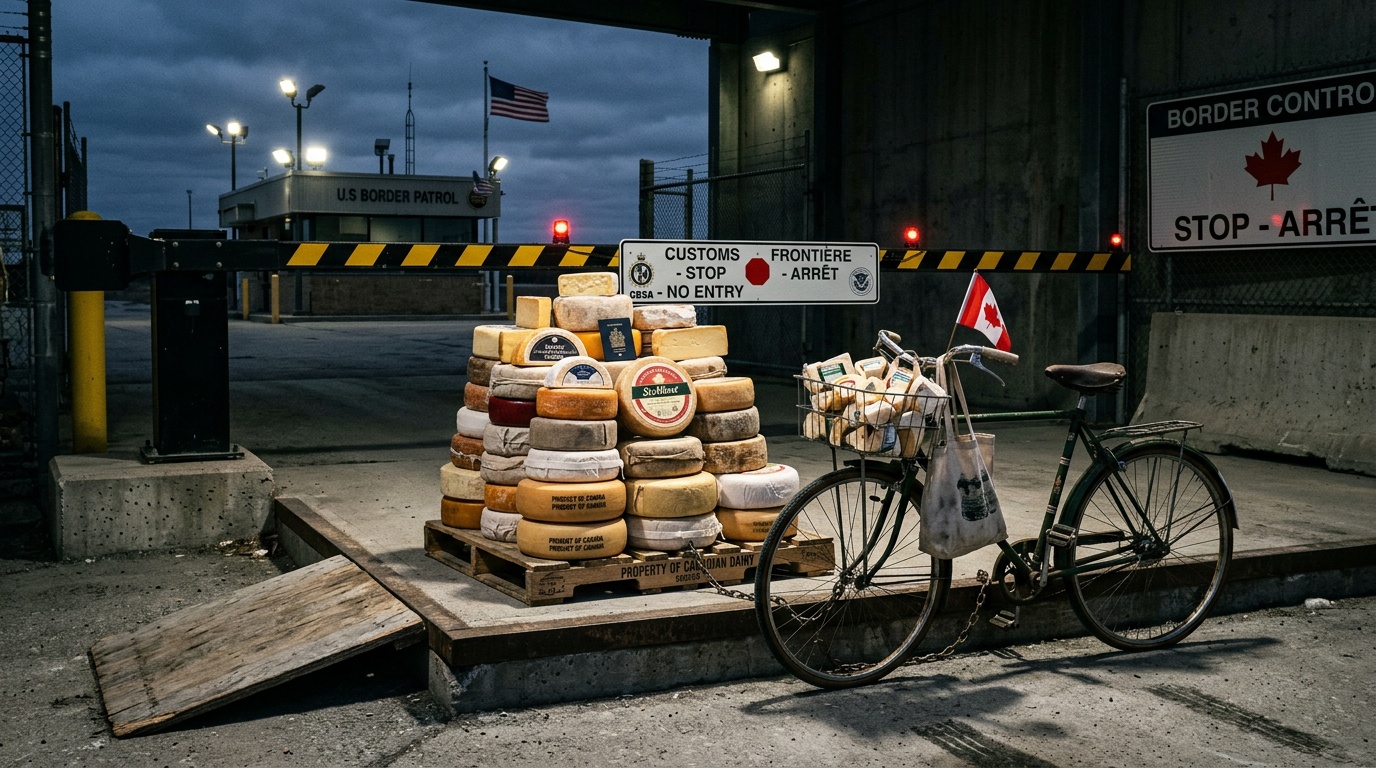
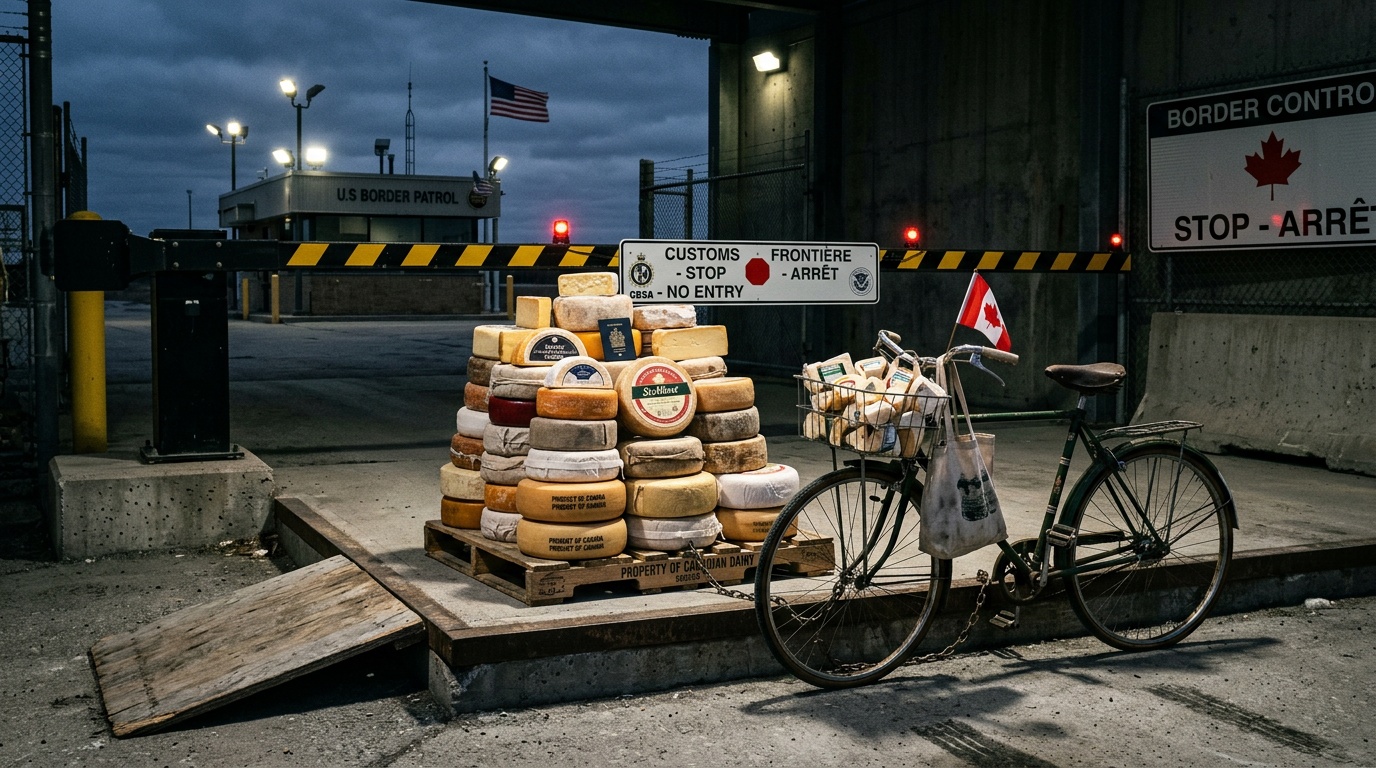
It's not just outright bans, though. Some cheeses are being hit with a 50% tariff instead of being banned entirely. So, cheese lovers, you might still get your Canadian cheddar, but you'll pay a premium.
The move has real-world consequences beyond the grocery aisle. Japanese brewer Sapporo is now thinking about moving some of its non-alcoholic beverage production from Canada to the U.S. to dodge the tariffs. The company, which owns Ontario-based Sleeman Breweries, gets more than half of its overseas beer sales from Canada. No final decision yet, but it's a sign of how these trade spats can ripple through corporate decisions.
U.S. Trade Representative Jamieson Greer is defending the bans as a 'natural consequence' of Canada's trade strategies. In a press release, he accused Canada of 'senseless retaliation' and 'discriminatory treatment of crucial American exports.' He also claimed Canada walked away from a 'near-final trade deal' that would have given it better treatment than any other trading partner. So, in Greer's view, Canada had a good thing going and blew it.
Treasury Secretary Scott Bessent chimed in too, warning Canada to be careful after it imposed retaliatory tariffs. Speaking at Breitbart News' State of the Economy event, Bessent argued that Canada wants the perks of 'being a state without being a state.' He also noted that when companies face trade uncertainty and have to choose where to build, they'll pick the U.S. over Canada. It's a not-so-subtle warning that Canada's tactics could backfire.
Canada, for its part, isn't backing down. On Tuesday, its own retaliatory tariffs on over $20 billion of U.S. goods took effect. That list includes milk, perfume, video game consoles, golf clubs, fishing rods, steel, aluminum, and clothing, with tariffs ranging from 15% to 50%. These were announced in late August after trade talks between the two countries collapsed.
Canadian Prime Minister Mark Carney is playing the long game. He's warned that shifting away from the U.S. will come at a cost, but insists the alternative would be worse. Carney is pushing to forge new trade deals with other countries to reduce Canada's reliance on its southern neighbor. It's a bold strategy, and one that could reshape North American trade dynamics for years to come.
So, what's the takeaway? The U.S.-Canada trade relationship is in uncharted territory. Both sides are digging in, and the fallout is already hitting businesses and consumers. Whether this escalates further or eventually leads to a deal remains to be seen, but for now, the 'natural consequence' is a lot of uncertainty and some pricier cheese.