Vice President JD Vance made it clear on Thursday that the White House would love to see the Federal Reserve cut interest rates, and he's not shy about saying why: Americans want to buy homes, and high rates are making that tough.
Speaking at a White House press briefing, Vance said President Donald Trump's focus on rates is all about housing affordability. "Obviously, the president cares a lot about interest rates, and I think one of the main reasons he cares a lot about interest rates is because he wants Americans to be able to afford a home," he said.
The administration is "quite confident" that current inflation and CPI data justify a cut, calling it "proper and responsible" for the Fed to act. But here's the twist: the markets are betting on the exact opposite.
Help From the Federal Reserve
Vance's comments come as long-term Treasury yields have been climbing, which directly pushes mortgage costs higher. He acknowledged the administration is doing what it can, but "it would be nice to have some help from the Federal Reserve."
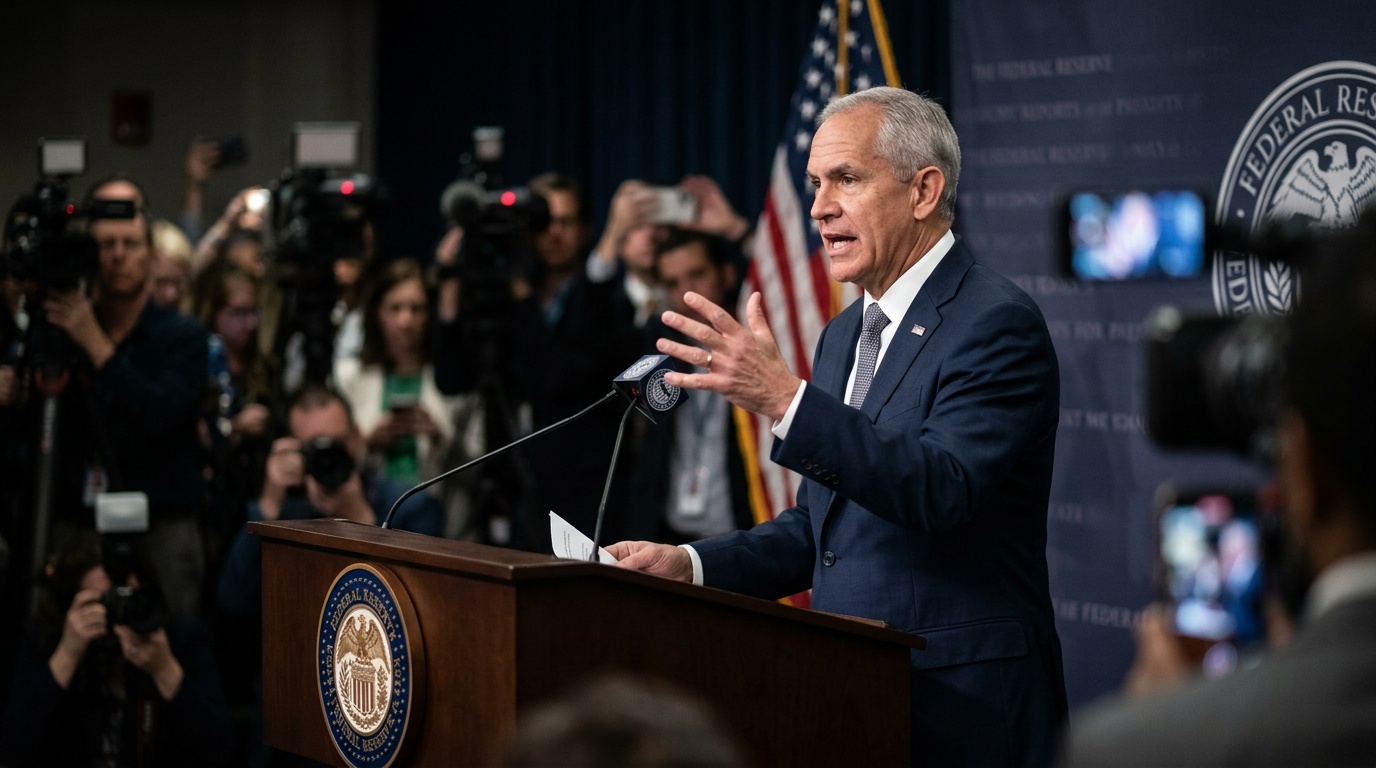
However, Fed Governor Christopher Waller told Reuters on Thursday that he's prepared to leave the federal funds rate unchanged at the Fed's Sept. 15-16 meeting. That's a far cry from a cut.
And traders seem to agree with Waller, not Vance. According to CME FedWatch, there's a 66.2% probability of a rate hike at the Sept. 16 meeting. That's largely thanks to Fed Chair Kevin Warsh's hawkish Jackson Hole speech last Friday, where he reaffirmed the central bank's 2% inflation target.
Vance, for his part, deferred deeper questions on bond markets to Treasury Secretary Scott Bessent, calling him more knowledgeable "than anybody that I've ever talked to."
Meanwhile, the U.S. national debt climbed above $40.12 trillion late Thursday.
Yields on the Rise
The bond market has been under pressure. The 10-year Treasury yield rose to about 4.8% on Tuesday, its highest level since January 2025. The 30-year yield has been trading above 5%. Higher oil prices, inflation concerns, and heavy government borrowing are all weighing on bonds.
New York Fed President John Williams told CNBC on Wednesday that the rise in yields is due to "a strong U.S. economy and a strong economic outlook fueled by big investments" in AI and technology.
But not everyone buys that explanation. Investor Peter Schiff has pushed back, arguing that inflation expectations, fiscal concerns, and "declining Fed credibility" are the more obvious drivers of the yield surge.
So, we've got a classic standoff: the White House wants lower rates to help homebuyers, the Fed seems content to hold or even hike, and the bond market is sending signals that something's got to give. For now, it looks like the Fed is holding the cards, and Vance's hopes for a rate cut might just have to wait.