Buc-ee's, the Texas-based chain of oversized travel centers known for its clean bathrooms and beaver mascot, is thinking hard about where to build next. And according to CEO Arch Aplin III, the company's future expansion plans may lean toward states that make it easy to do business.
Speaking at an event on Wednesday, Aplin talked up the company's growth. "We're building in a lot of places," he said. But then he added a telling caveat: "a conservative, business-friendly state with a phenomenal workforce" made a "difference" for his business.
"I'm starting to realize life's too short to try to build in places that people don't appreciate what you're bringing," he said.
The comments come as Buc-ee's, which operates more than 50 locations across the U.S., finds itself in the middle of a trademark dispute that has drawn national attention. The company sued The Beaver's Mini Mart, a small convenience store in Beavercreek, Ohio, for allegedly infringing its trademark of a beaver. The Beaver's Mini Mart had filed for a federal trademark, and Buc-ee's claimed the store's beaver logo, which features "wide eyes and a smile" and uses red, could "cause confusion" among customers.
The lawsuit didn't sit well with Ohio's governor, Mike DeWine, who called it "absurd," according to the Associated Press. The mayor of Huber Heights, Ohio, where Buc-ee's has a location, also weighed in, according to a report by The Hill.
Buc-ee's had previously said it was eyeing an expansion to 70 locations across 17 states by 2027. But Aplin's recent remarks suggest that not all states are created equal in the company's eyes.
This isn't just a Buc-ee's thing. Companies across the country are increasingly factoring in the business climate when deciding where to put down roots. ExxonMobil, for instance, recently announced it was moving its legal headquarters from New Jersey to Texas after 144 years in the Garden State. "Texas has made a noticeable effort to embrace the business community," the company's CEO said, praising the state's policy environment.
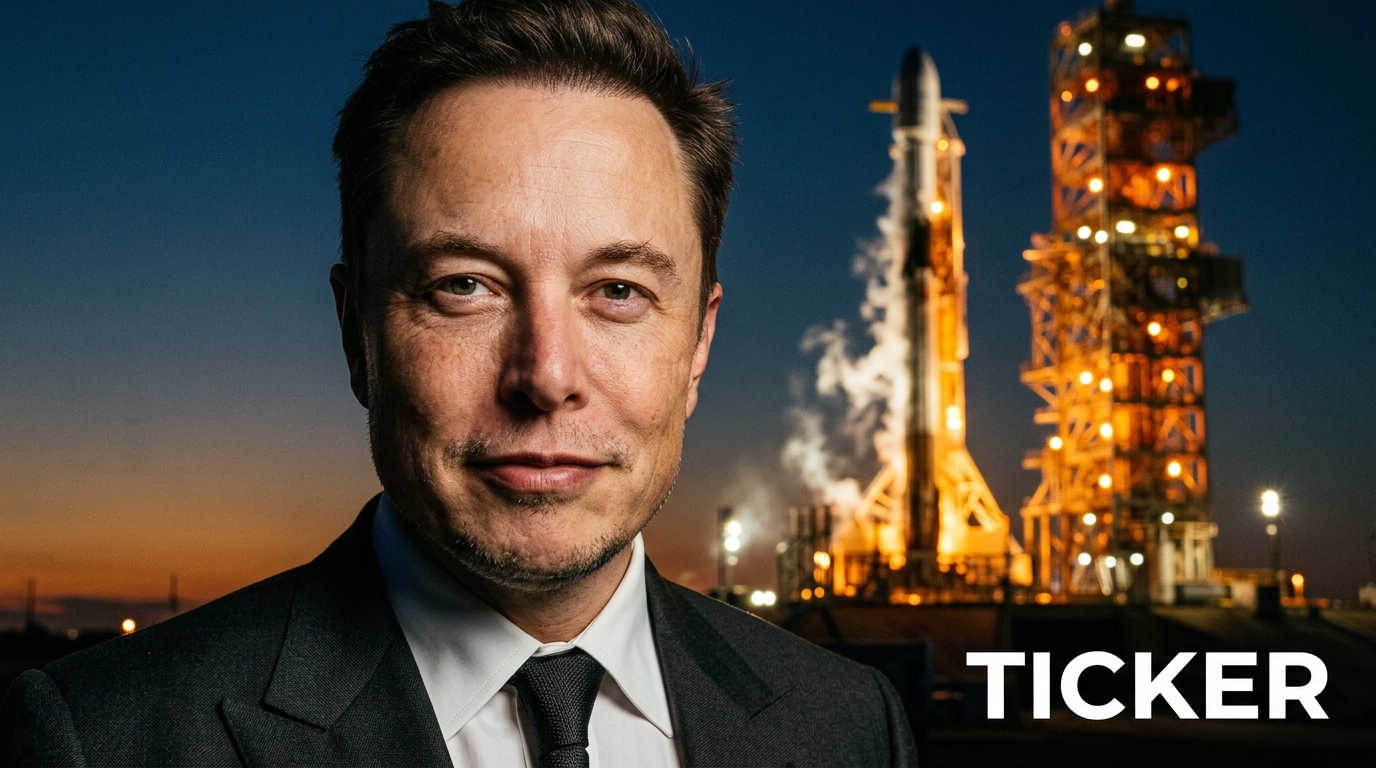
And in 2024, Tesla moved its incorporation from Delaware to Texas, largely triggered by a Delaware judge's decision to rule against CEO Elon Musk's multi-billion dollar compensation award.
For Buc-ee's, the question is whether its expansion plans will now favor states that align with Aplin's vision of a "business-friendly" environment. With the company's beaver mascot at the center of a legal battle, it seems the chain is also thinking about which states appreciate what it brings to the table.