Iran is not mincing words about the Trump administration's latest economic pressure campaign. In a fiery post on X on Tuesday, Esmaeil Baqaei, Iran's foreign ministry spokesperson, called the U.S. move an act of "systemic bullying" that is "annihilating" the most basic rules of international law.
Baqaei was responding to what the administration has dubbed "Economic D-Day" — a sweeping set of sanctions aimed at squeezing Iran's economy. He noted that some countries might try to appear "as obedient as shadows" and say "this is fine," but he insisted it is "absolutely not fine."
His point: when the U.S. forces every bank, company, port, and government to choose between following Washington's whims or facing American retaliation, it stops being just about Iran. "It is about annihilating the most foundational rules of international law and the UN Charter – namely, respect for the sovereign equality and self-determination of all States," he wrote. He added that any state that truly values its sovereignty would never "accept the normalization of such grand lawlessness and systemic bullying."
Baqaei even pointed to Canada as a cautionary tale, saying, "Canada is among those already learning that lesson." That's a nod to the ongoing trade war between the U.S. and its northern neighbor, which has been anything but smooth.
Oil and Gas Prices Keep Climbing
Meanwhile, the economic fallout is showing up at the pump. As of Wednesday morning, West Texas Intermediate crude was trading at $80.16 a barrel, while Brent was at $85.86. The United States Oil Fund (USO) slipped 1.15% to $124.65 in pre-market trading.
For everyday Americans, that translates to higher costs. The national average price for a gallon of gas hit $4.1014 on Wednesday, and diesel wasn't far behind at $5.6230 a gallon, according to AAA data.
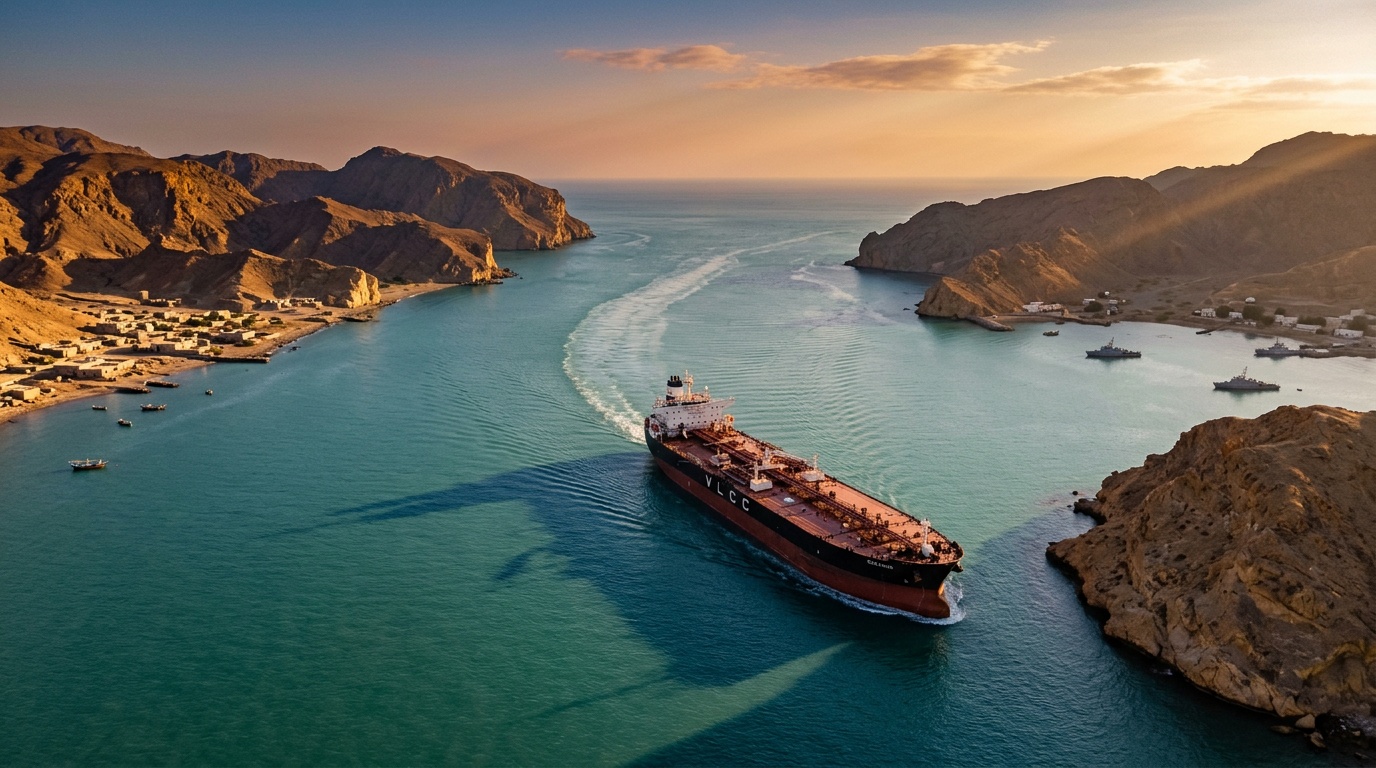
The volatility in oil markets comes as Trump has made bold claims about the Strait of Hormuz, a critical chokepoint for global oil shipments. He said the strait no longer has mines, but that assertion has been questioned, including by California Governor Gavin Newsom's press office, which pointed out that Trump had made the same claim before.
Political Heat Over Iran
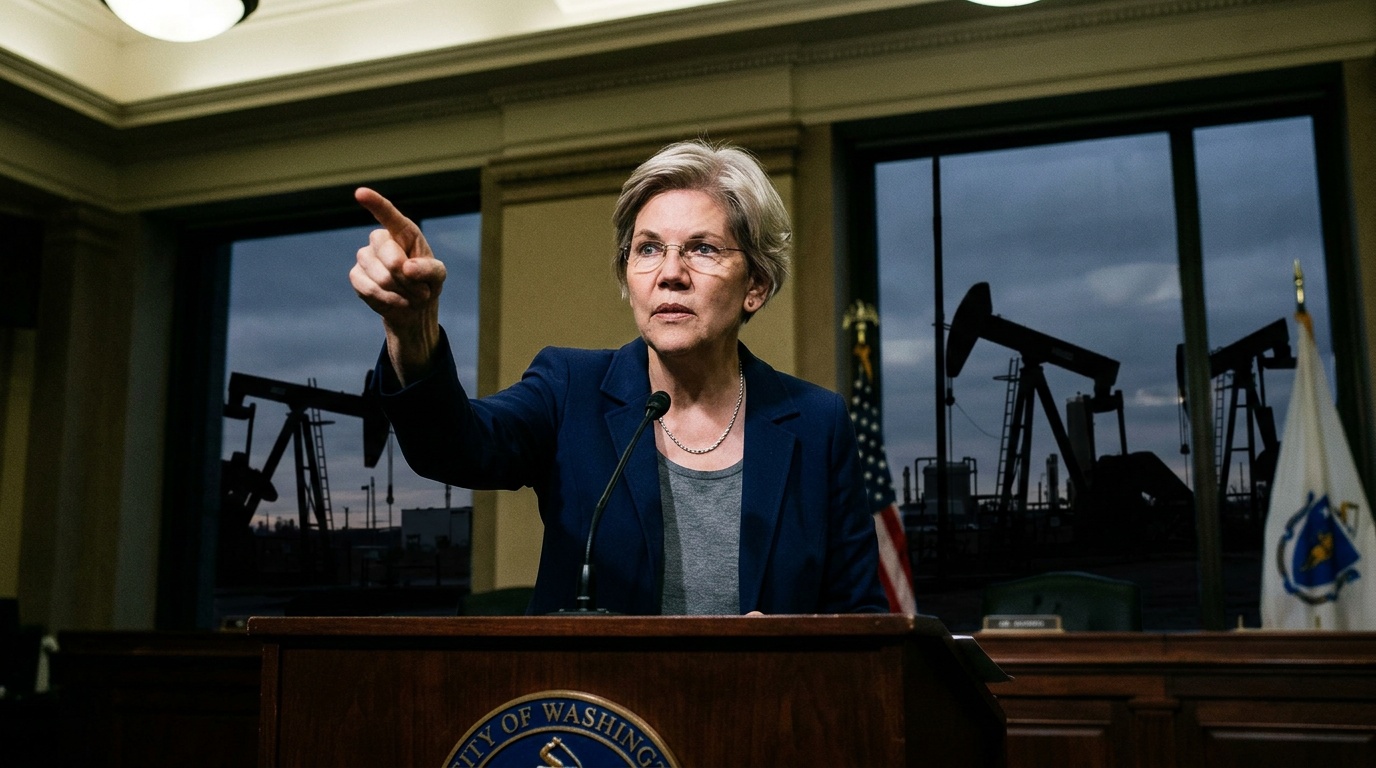
Trump is facing sharp criticism from Democrats over his handling of Iran. Senator Elizabeth Warren (D-Mass.) accused him of profiting from the conflict, pointing to his multi-million dollar holdings in oil giants like ExxonMobil (XOM) and Chevron (CVX).
Iran's security chief has also escalated the rhetoric, saying that participating in the economic restrictions on Iran is equivalent to an "act of war." He warned that oil would not flow through the Strait of Hormuz. Despite that threat, Iran and Oman are reportedly in talks to open a temporary corridor to allow vessels to move through the waterway, which could ease some concerns.
Canada Trade Talks Fall Apart
On the trade front, the U.S. and Canada are at an impasse. Trump has threatened to impose 50% tariffs on Canadian goods, and Canadian Prime Minister Mark Carney has responded with retaliatory tariffs on U.S. products. Reports suggest the talks collapsed after Commerce Secretary Howard Lutnick intervened, among other factors.
The fallout is worrying for many. Michigan Governor Gretchen Whitmer (D) warned that the tariffs would mean additional taxes on Michigan residents and could lead to job losses in the state's auto sector. Economist Peter Schiff also criticized the tariffs, saying they could worsen the cost-of-living crisis in the U.S.
So, what's the takeaway? The U.S. is juggling multiple economic battles — with Iran, with Canada, and with rising prices at home. Iran is framing the sanctions as a fundamental attack on international norms, while critics at home are questioning the strategy's impact on American wallets. With oil prices staying high and trade talks stalled, the uncertainty isn't going away anytime soon.