






Navitas Semiconductor Corp (NASDAQ: NVTS) is making a big bet on the power-hungry future of AI. The company's shares ticked up in Tuesday's premarket trading after it announced a definitive agreement to acquire Claros, Inc. for up to approximately $232.8 million. The move is designed to beef up Navitas' AI data-center power portfolio, and investors seem to like what they see.
Navitas Bets $232.8 Million on the Future of AI Power Delivery
MarketDash
Navitas Semiconductor's acquisition of Claros could more than double its 2030 market opportunity to over $8 billion. Shares rose in premarket trading.
Get Navitas Semiconductor Alerts
Weekly insights + SMS alerts
Navitas Expands AI Power Portfolio
So what exactly is Navitas buying? Claros brings vertical power delivery (VPD) and integrated voltage regulator (IVR) technologies to the table. These will join Navitas' existing gallium nitride (GaN) and high-voltage silicon carbide offerings. The idea is to create a more complete power chain for AI infrastructure, stretching all the way from the grid to the processors themselves, including GPUs, CPUs, and other AI accelerators.
Navitas says the acquisition could more than double its identified 2030 serviceable addressable market, pushing it past $8 billion. Claros' VPD and IVR markets alone would add at least $3.5 billion to that opportunity. Claros, which was founded in 2024, develops power-management hardware and software specifically for AI infrastructure.
Deal Includes Cash And Stock
The financial structure of the deal is a mix of cash and stock. Navitas will pay approximately $216 million at closing, using a combination of cash and Class A common shares. There's also a potential earn-out: if Claros hits certain business milestones in the two years following the close, Navitas will pay the remaining consideration in shares. Additionally, some continuing Claros employees could receive around $28.9 million in performance-based stock compensation, tied to the same milestones.
Both companies' boards have given the deal a unanimous thumbs-up. Navitas expects the transaction to close before the end of the year, assuming customary closing conditions and regulatory approvals are met. As of June 30, 2026, Navitas had $557.4 million in cash and cash equivalents, so it has the resources to make this happen.
Growth Outlook Remains Unchanged
Despite the acquisition, Navitas is keeping its short- to mid-term financial model under the Navitas 2.0 transformation unchanged. The company sees Claros' technology as an additional growth accelerator that will kick in from 2028 or 2029 onward. The acquisition could support revenue acceleration and margin expansion, all while leaving the profitability timeline intact.
Navitas President and CEO Chris Allexandre framed the deal in grand terms: "The future of AI depends on delivering thousands of amps to increasingly power-hungry processors with unprecedented speed and precision."
As for the market's reaction, Navitas Semiconductor shares were up 6.46% at $13.02 during premarket trading on Tuesday, according to market data.
More News
Small Colorado Company (Backed by Sam Altman) Could Save U.S. Power Grid
Watch this before August 31st
Google's secret $99 billion profit
Elon Musk Drops Bombshell During SpaceX Earnings Call
Is Trump Planning a New Independence Day?
This tiny piece of glass could be bigger than GPUs

Tomorrow, Wall Street goes home for two days

Once you see it, you can't unsee it
Get Navitas Semiconductor Alerts
Real-time alerts on price moves, news, and trading opportunities.
Join 20,000+ investors. No spam, ever.
Featured Articles
View all news
US-Canada Trade Talks Collapse After Lutnick's Intervention: Report
By MarketDash
August 25, 2026
Ticker Revealed: Pre-IPO Access to "Next Elon Musk" Company (Ad)
By Banyan Hill

Trump Eyes 7.5% Tariff on China as Trade Truce Hangs in Balance
By MarketDash
August 25, 2026

SK Hynix Drops 5% in Seoul, KOSPI Drops 3% Amid Reported US Pressure for Korean Chipmakers to Invest in America; Brent Slips as Iran Tensions Rise
By MarketDash
August 25, 2026
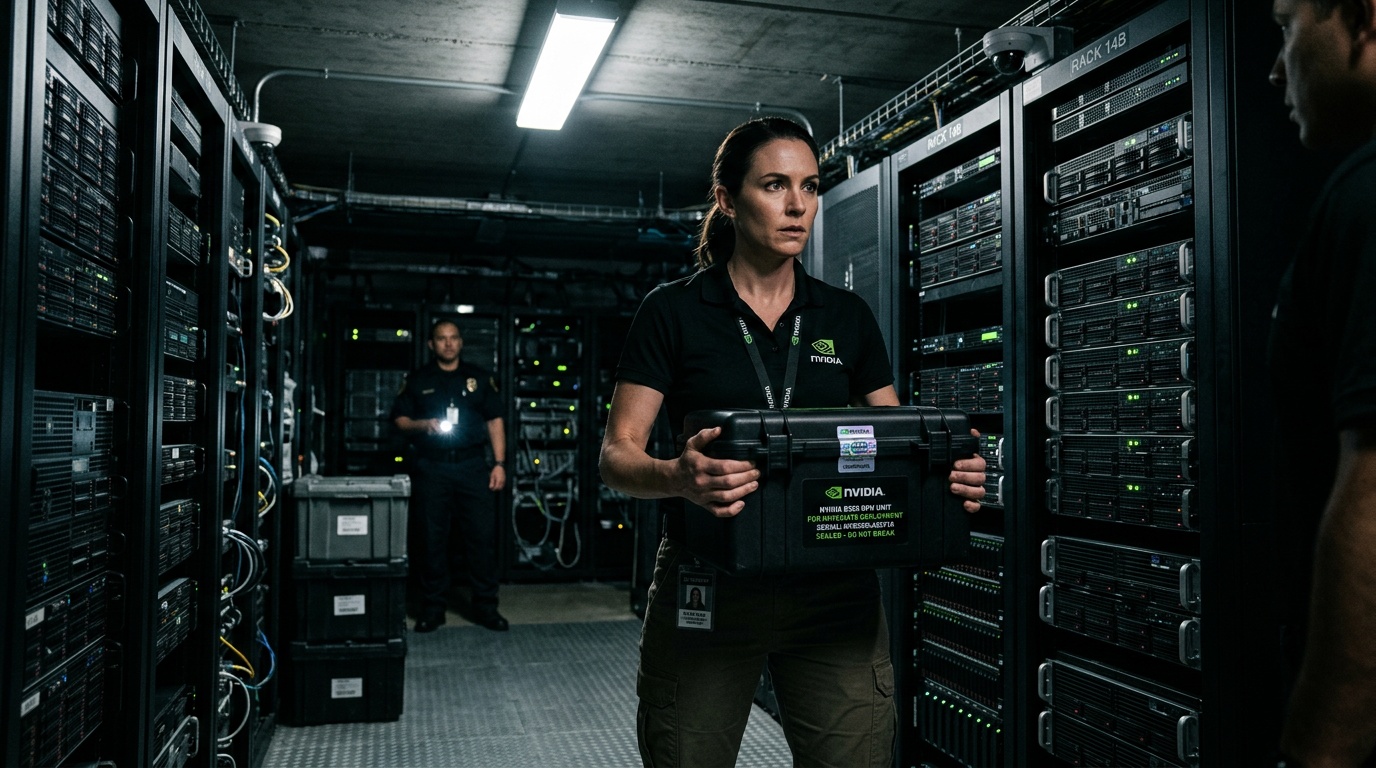
Nvidia Manager Named 'Key Figure' in Alleged B300 GPU Smuggling to China, 8 Others Indicted in Taiwan Probe
By MarketDash
August 25, 2026
SpaceX is NOT the #1 IPO of 2026 (Ad)
By The Oxford Club

Peter Schiff Warns Trump's Canada Tariffs Will Worsen 'Government-Created' Cost-of-Living Crisis—And Dollar Weaponization Could Backfire
By MarketDash
August 25, 2026
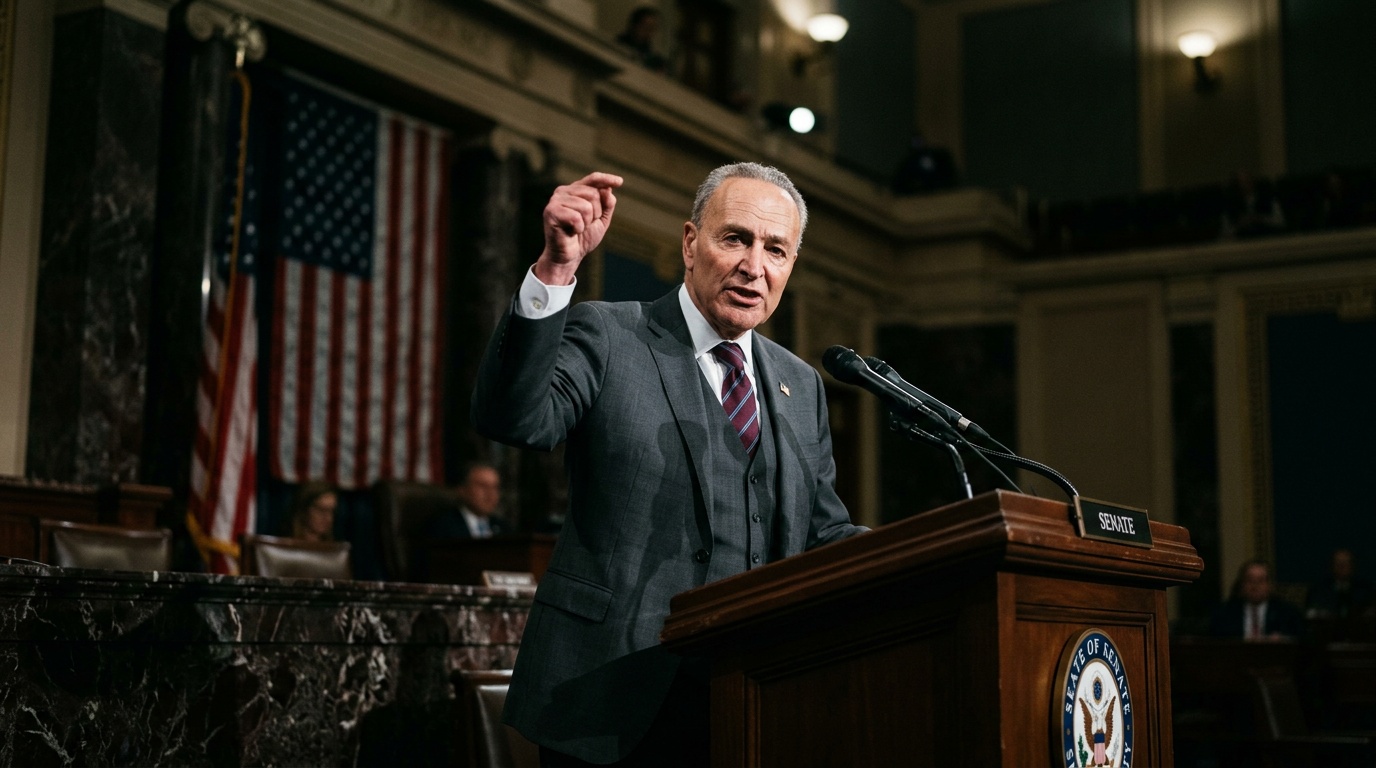
Schumer, Pritzker and Others Slam Trump’s Canada Tariffs: ‘Economic Warfare’ Could Raise Costs for Americans
By MarketDash
August 25, 2026