If you were hoping for a quick resolution to the U.S.-Canada tariff saga, Sunday's news probably wasn't what you wanted. Trade talks between Washington and Ottawa fell apart, and Michigan's governor is not happy about it.
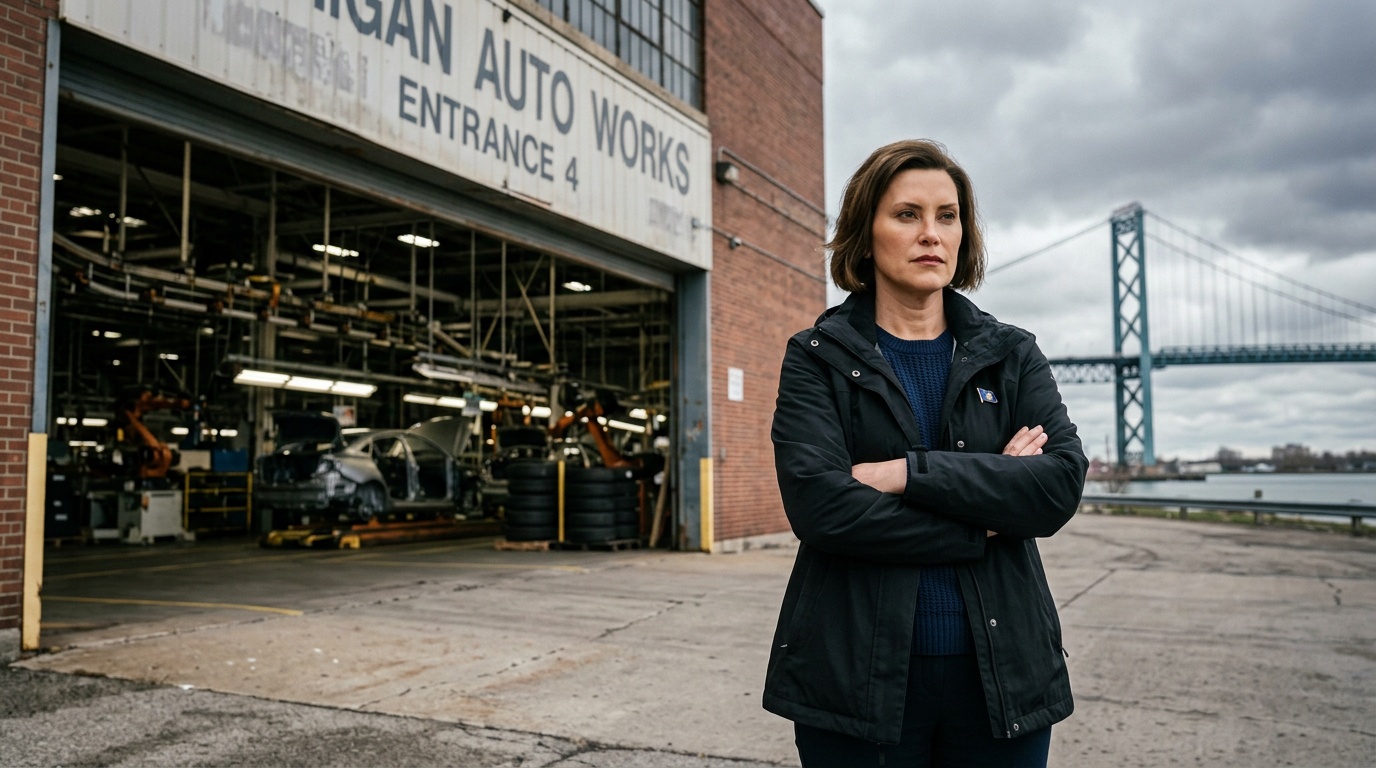
Gov. Gretchen Whitmer (D-MI) took to X on Sunday to blast President Donald Trump and the administration's "chaotic tariff wars with Canada." Her message was blunt: these tariffs are hitting Michiganders right in the wallet.
"Michiganders are uniquely impacted by DC Republicans' ongoing, chaotic tariff wars with Canada," she wrote. "These tariffs act as a tax hike on Michigan families and businesses by raising prices at the grocery store and the gas pump."
She's got a point. According to AAA data, the average price for a gallon of gas in Michigan hit $4.1570 on Sunday. That's not exactly pocket change.
But it's not just gas. Whitmer warned that the uncertainty could also cost jobs in the auto industry, which is kind of a big deal for Michigan. "Companies – especially our auto manufacturers – face the difficult decision of laying off workers or passing costs onto their customers," she said. And she didn't mince words about who she blames: "who are already suffering because of the GOP's gamesmanship. This must end."
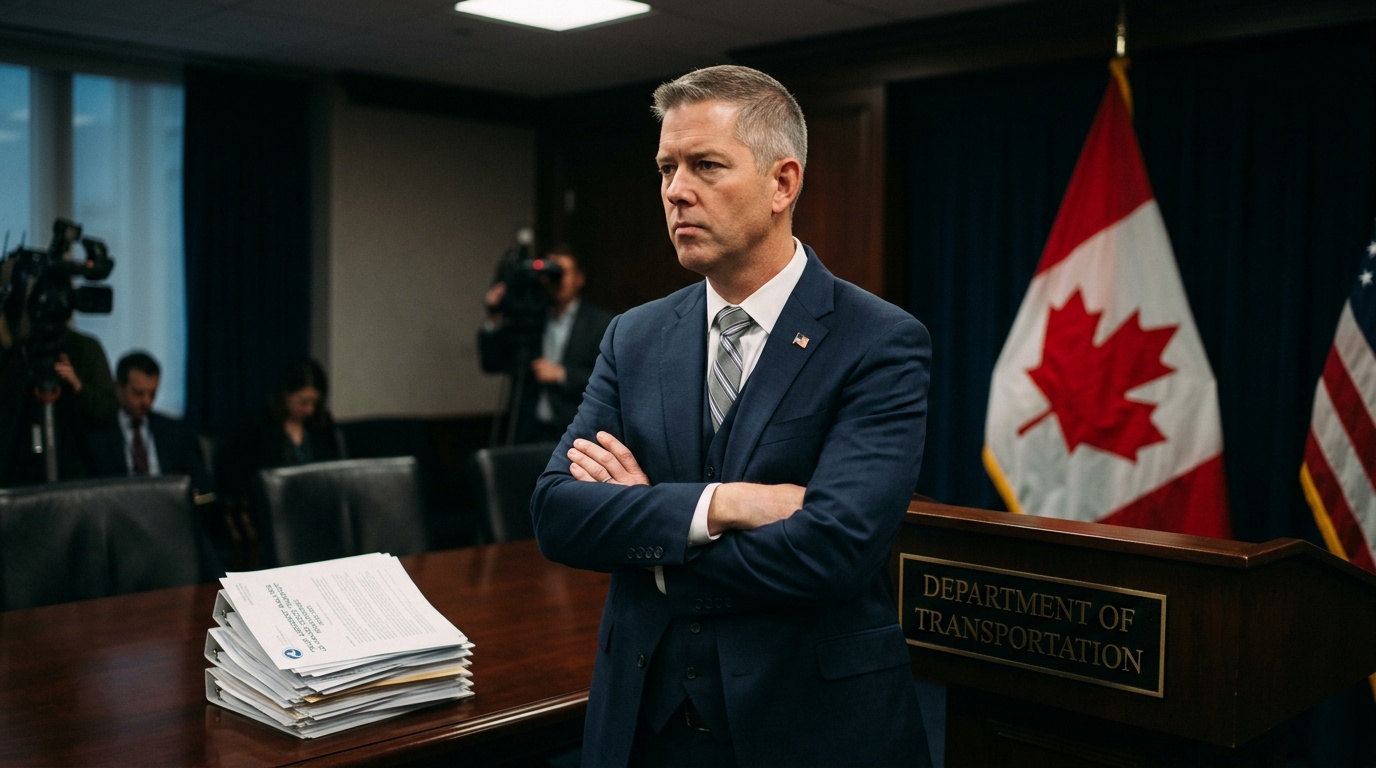
Now, the Trump administration has a different take. Commerce Secretary Howard Lutnick has argued that tariffs will bring jobs back to U.S. auto manufacturing. Transportation Secretary Sean Duffy has been touting affordability, thanks to the domestic manufacturing push. But Whitmer isn't buying it. "Michiganders literally cannot afford to keep paying these Republican tariff taxes," she said.
So what exactly went wrong in the talks? According to a Bloomberg report, Canada's Ambassador to the U.S., Mark Wiseman, said there wasn't a single breaking point. "What we discovered was that our understanding of what had been agreed to was quite different from what was showing up in the documents," he explained.
Canada was pushing for tariff relief on medium and heavy-duty vehicles. "We want to protect the existence of an automotive assembly industry in Canada for cars, light trucks…medium trucks and heavy-duty trucks," Wiseman said. Even the use of the French language became a sticking point, apparently.
Meanwhile, Trump took to Truth Social on Sunday to criticize Canada, saying it wants "the benefits of being a state, without being one." This came after Canadian Prime Minister Mark Carney imposed retaliatory tariffs on the U.S. The U.S. has now slapped a 50% tariff on Canadian goods.
Duffy, for his part, questioned Canada's decision to fight back. "To think that they're going to go to war with Donald Trump and actually win that war with the U.S., I think it's foolish on their part," he said.
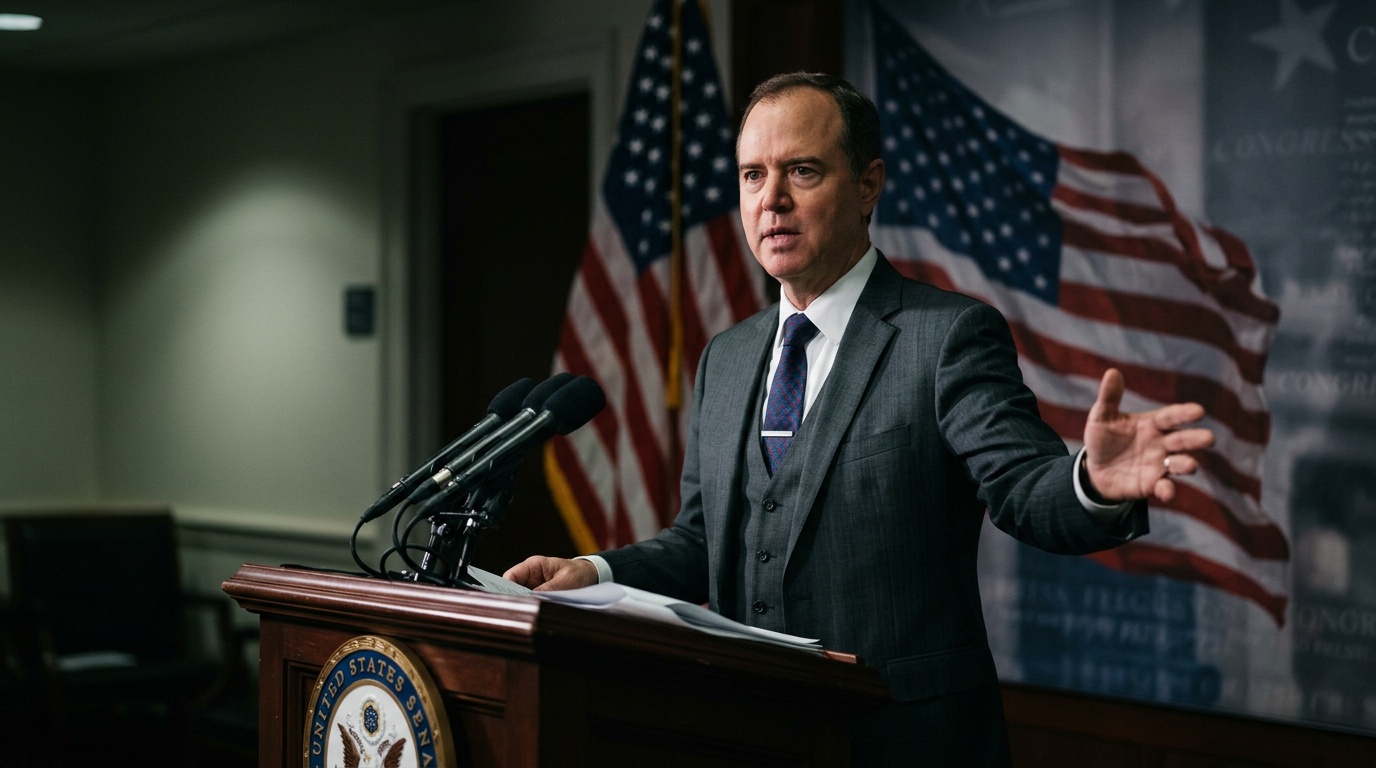
Sen. Adam Schiff (D-CA) also weighed in, slamming the administration for raising costs for American families and businesses through failed talks and tariffs.
So, where does this leave things? For now, it looks like the tariff war is heating up, and consumers on both sides of the border are likely to feel the pinch. Whitmer's message is clear: this isn't just about politics, it's about real people struggling to pay for basic necessities. And with gas prices already above $4 in Michigan, that message might resonate.