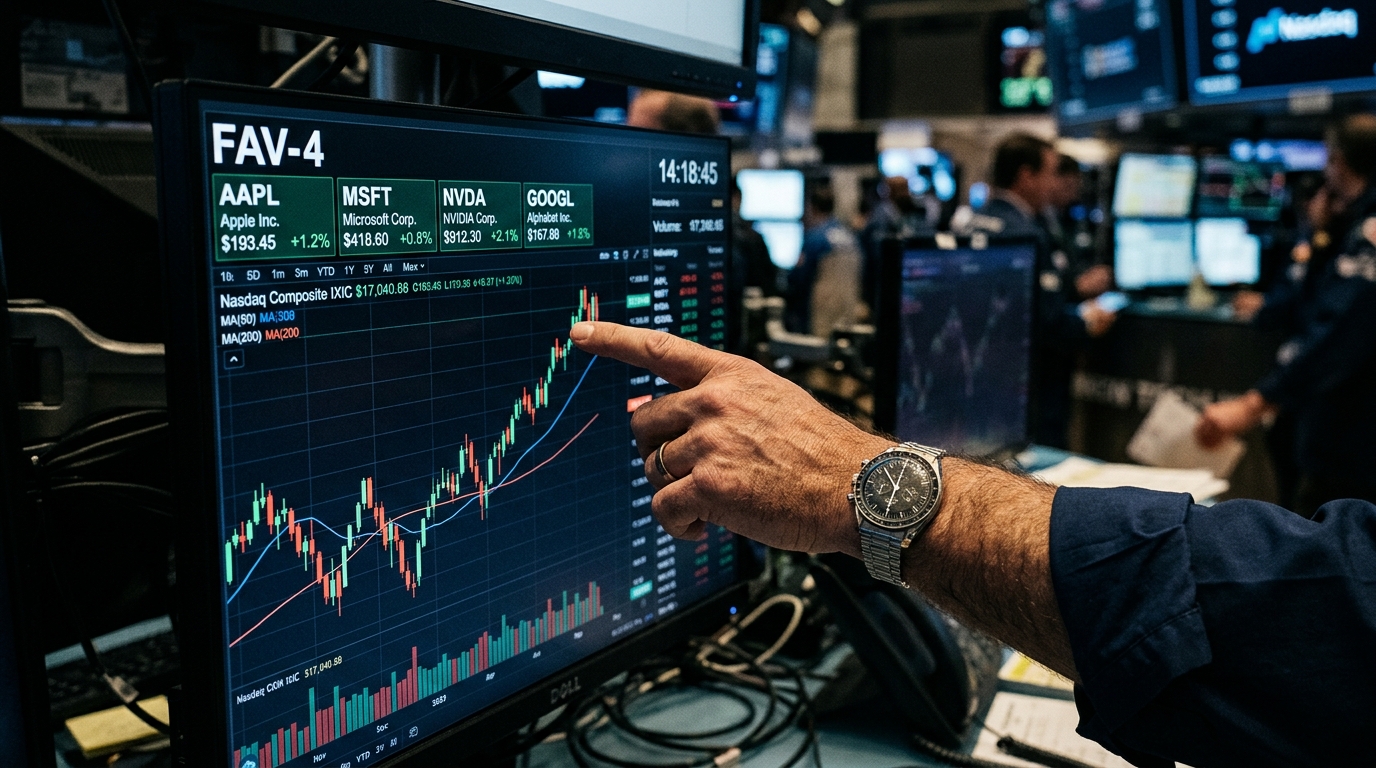
Apple Inc. (AAPL) shares climbed nearly 3% on Wednesday, even as the broader tech sector stumbled. The Nasdaq was up just 0.13% and the S&P 500 gained 0.53%, but the Technology sector was down 0.6%. So what's driving the divergence? Investors seem to be gravitating toward large-cap stability while the rest of tech catches its breath.
The Cupertino giant is juggling a lot right now: regulatory shifts in Europe, a rotating AI narrative, and rising hardware costs. It's a delicate balancing act between near-term headwinds and the long-term promise of a more personalized AI business.
Apple Overhauls EU App Store Terms
Apple has agreed to tweak its European App Store policies to resolve its ongoing dispute with EU regulators. Starting Oct. 1, the company will scrap its Core Technology Fee and instead charge a 5% commission on digital transactions that happen outside the App Store. It's also lowering its standard in-app purchase commission in Europe to 26% and letting developers offer alternative payment options. That's a significant concession, and it could reshape how developers do business in the EU.
AI Rotation Pressures Apple Shares
Apple's stock has fallen about 10% since hitting a record on July 28. Why? Investors have been rotating back toward companies with more direct exposure to AI infrastructure spending. Jordan McCall, a senior portfolio manager at Russell Investments, told Bloomberg that renewed confidence in AI capital spending has fueled that shift.
Clayton Allison, a portfolio manager at Prime Capital Financial, noted that Apple actually benefited earlier when investors questioned heavy AI spending. But now that the AI rally is back, Apple's limited infrastructure investment means it's missing out on some of the upside. Still, Allison likes Apple's balance sheet, its ecosystem, and its share buybacks.
Jefferies analyst Edison Lee is more cautious. He points to higher memory costs and worries that an expensive foldable iPhone might only appeal to a niche crowd.
Munster Sees Siri as Apple's AI Opening
Gene Munster, managing partner at Deepwater Asset Management, told CNBC that he thinks Apple is an underappreciated AI play. He believes Apple's more conservative approach to AI, with stronger safeguards, could set it apart from more aggressive rivals.
Munster called Apple "one of the biggest underappreciated companies" among mega-caps. He says the company has "finally got it right" with Siri and could see its shares "re-rated" as the assistant becomes the foundation for personalized AI.
He's been testing the Siri beta and says the progress is real. Deepwater's research shows fewer than 20% of U.S. iPhone owners use Siri daily, which means there's huge room to grow. Munster thinks Siri could be the cornerstone of Apple's personalized AI strategy, and he expects the valuation multiple to rise meaningfully over the next year as investors warm up to Apple's AI direction, even if earnings growth only improves modestly.
Apple currently trades at a price-to-earnings ratio of about 35.6, which is a premium. The stock has a Buy consensus rating with an average price target of $329.53.
But not everyone is on board. Jefferies downgraded Apple to Underperform on Aug. 10 and cut its price target to $263.66. China Renaissance downgraded the stock to Hold on Aug. 4 with a $280 target. JPMorgan kept an Overweight rating on July 31 but trimmed its target to $340.
Top ETF Exposure
- Columbia Research Enhanced Core Premium Income ETF (NYSE:RECI): 9.96% Weight
- iShares S&P 100 ETF (NYSE:OEF): 9.83% Weight
- Xtrackers Net Zero Pathway Paris Aligned U.S. Equity ETF (NYSE:USNZ): 9.57% Weight
Significance: Because AAPL carries such a heavy weight in these funds, any significant inflows or outflows for these ETFs will likely force automatic buying or selling of the stock.
Price Action
AAPL Stock Price Activity: Apple shares were up 2.88% at $318.96 at the time of publication on Wednesday, according to market data.