Target Corp. (NYSE: TGT) is having a moment. The retailer's stock hit a fresh 52-week high on Wednesday after its second-quarter 2026 earnings report blew past Wall Street's expectations, and the company raised its full-year outlook. It's a far cry from the retail gloom that has plagued the sector, and Target is clearly feeling good about it.
Net sales rose 5.3% year over year to $26.54 billion, beating the $26.14 billion analysts had penciled in. Comparable sales, a key retail metric, were up 3.8%, driven by a 3.6% increase in traffic. Store comparable sales grew 2.7%, but the real star was digital, which climbed 8.7%. Same-day delivery sales were particularly hot, jumping more than 25%. That's a lot of people getting their Bullseye fix delivered to their door.
Earnings And Margins Improve
The bottom line looked even better. Target reported GAAP diluted earnings of $4.11 per share, up from $2.05 a year earlier. But that number includes a big one-time boost: $994 million in pretax tariff-refund benefits, which added $1.65 per share to earnings. Excluding that, adjusted EPS was $2.46 per share, still ahead of the $2.33 analysts expected.
Operating income more than doubled to $2.56 billion from $1.32 billion, and operating margin expanded to 9.6% from 5.2%. Gross margin also improved nicely, rising to 33.7% from 29%. The tariff refunds accounted for 3.7 percentage points of that gain, but even stripping those out, gross margin expanded about 100 basis points year over year. That's the kind of underlying improvement that makes investors smile.
Sales Mix, Cash Flow And Liquidity
Digging into the sales mix, merchandise sales increased 5% to $25.95 billion, while non-merchandise sales jumped 20.1%. That's a sign that Target's efforts to diversify beyond just stuff on shelves are paying off. Food and beverage sales totaled $5.99 billion, household essentials brought in $4.62 billion, apparel and accessories contributed $4.09 billion, and hardlines, which Target calls "Fun 101," generated $3.89 billion.
Target is also investing for the future. Capital expenditures rose 27% to $1.4 billion, mostly for store remodels and new locations. The company's trailing 12-month after-tax return on invested capital improved to 15.4% from 14.3%, though tariff refunds provided a 2.4-percentage-point benefit.
Cash flow is healthy, too. Operating cash flow for the first six months totaled $4.52 billion, and Target ended the quarter with $5.41 billion in cash and equivalents. Long-term debt and other borrowings stood at $14.22 billion.
Raises 2026 Outlook
Looking ahead, Target raised its 2026 net sales growth outlook to about 5% and now expects an operating margin of about 6%. That margin forecast includes about 90 basis points of benefit from the second-quarter tariff refunds. The company lifted its sales guidance to $110.02 billion from $108.97 billion, beating the $109.10 billion analysts had estimated.
On the earnings front, Target raised both GAAP and adjusted EPS guidance to $9.90-$10.90, up from $7.50-$8.50. The GAAP outlook is above the $8.39 analyst estimate, and the adjusted EPS forecast is above the $8.50 estimate. The updated range includes about $1.65 per share in second-quarter tariff-refund benefits. Excluding those refunds, the midpoint of the guidance represents a 75-cent increase from the prior outlook. The forecast excludes any potential future tariff refunds, so there could be more upside if those come through.
Conference Call Takeaways
On the earnings call, management was candid about the numbers. They said the second-quarter tariff refund represented the "significant majority" of IEEPA refunds applied for to date, but they expect additional refunds. They also noted that adjusted EPS excluding tariff refunds provides a better measure of the company's underlying earnings base going forward. In other words, don't get too used to those one-time boosts.
But it wasn't all sunshine. Management acknowledged that home and apparel businesses remain below expectations, and they expect improvements in those categories to extend into 2027 and beyond. That's a long runway, but there are bright spots: kids basics posted double-digit growth, and the Art Class tween brand grew 50%. Stores featuring Target's decorative-accessories home reset also outperformed.
Higher-margin growth businesses are humming along. Roundel, Target's media network, saw gross billings increase nearly 20%. Target Marketplace gross merchandise value rose more than 40%, and Target Circle 360 membership revenue climbed more than 40%. These are the areas where Target is "pouring gas," as management put it, and the numbers show why.
Target expects about $5 billion in full-year capital spending. Management also said they expect to have the capacity to resume share repurchases in the second half, subject to operating performance, cash generation, and credit-rating considerations. That's a nice vote of confidence in the company's own future.
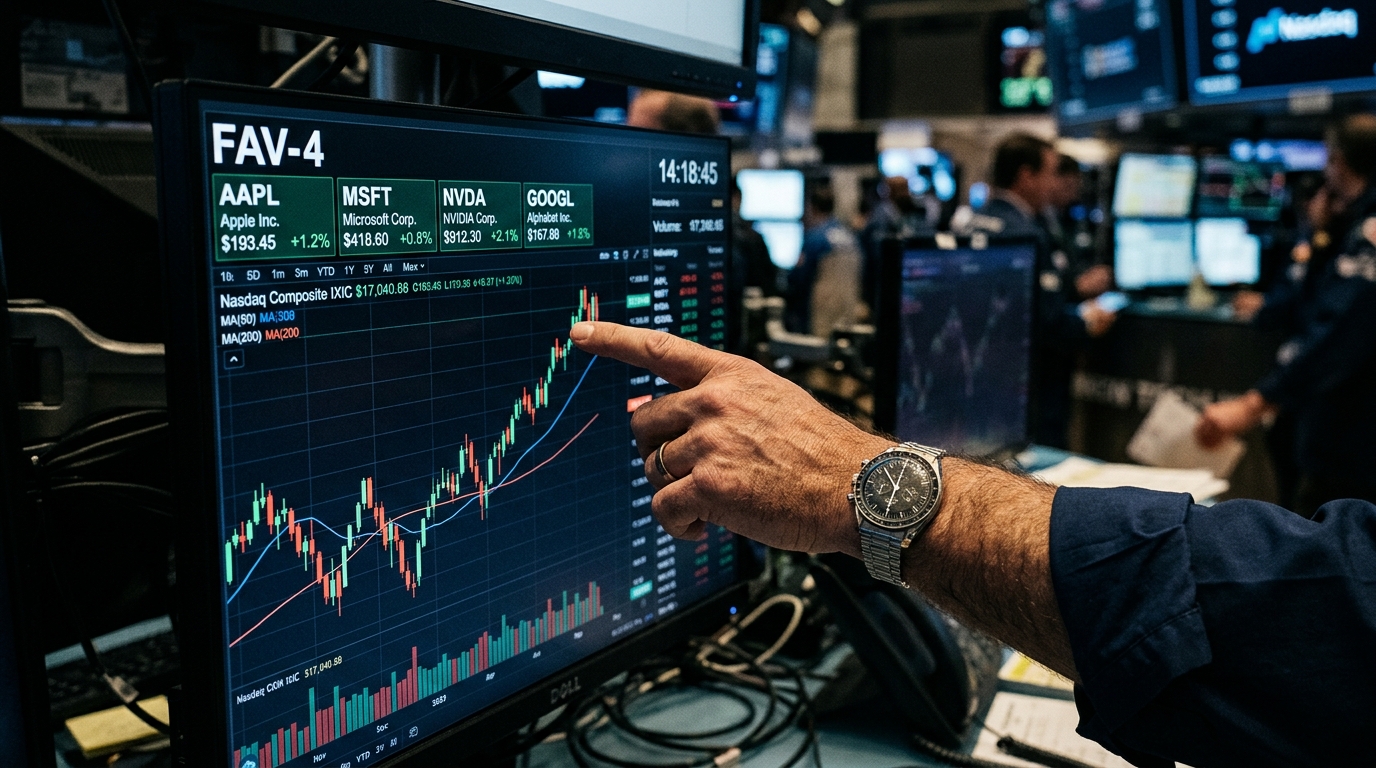
TGT Price Action: Target shares were up 5.47% at $160.82 at the time of publication on Wednesday. The stock is trading at a new 52-week high, according to market data.