Robinhood Markets Inc. (NASDAQ: HOOD) shares were up 2.28% at $93.49 on Wednesday, as investors keyed in on CEO Vlad Tenev's latest comments about the future of stock ownership. The catalyst? A mix of the company's newly launched Robinhood Chain blockchain platform and Tenev's vision of a world where stocks live on blockchains.
In an X post on Tuesday, Tenev declared that the financial ecosystem is in the "early innings of a global tokenization supercycle." That's a bold statement, but he's not just talking abstractly. Robinhood has already dipped its toes into this water, launching tokenized stock products for European customers last year. Those products feature blockchain-powered equities of private companies like OpenAI and SpaceX, and Tenev was quick to note that these stock tokens are fully backed by the underlying securities and even offer dividend exposure.
But here's the catch: tokenized stocks aren't available in the U.S. yet. And Tenev thinks that's a problem. He urged U.S. policymakers to "move quickly" to modernize financial rules, adding, "It would be a strange outcome if the rest of the world could build the future of ownership around American assets while Americans themselves were left behind."
The timing is interesting. The SEC is reportedly preparing a framework that would offer a regulatory sandbox with an "innovation exemption" for qualified firms trading tokenized securities under lighter compliance conditions. That could be a game-changer for companies like Robinhood that want to bring tokenized stocks to American retail investors.
This isn't just about crypto, though. During Robinhood's second-quarter earnings call last month, Tenev talked about wanting to broaden retail stock market access. He also mentioned that the company is looking for a "durable" foundation for crypto and sees the CLARITY Act as a step in that direction.
So, what does this mean for HOOD stock technically? Let's break down the levels.
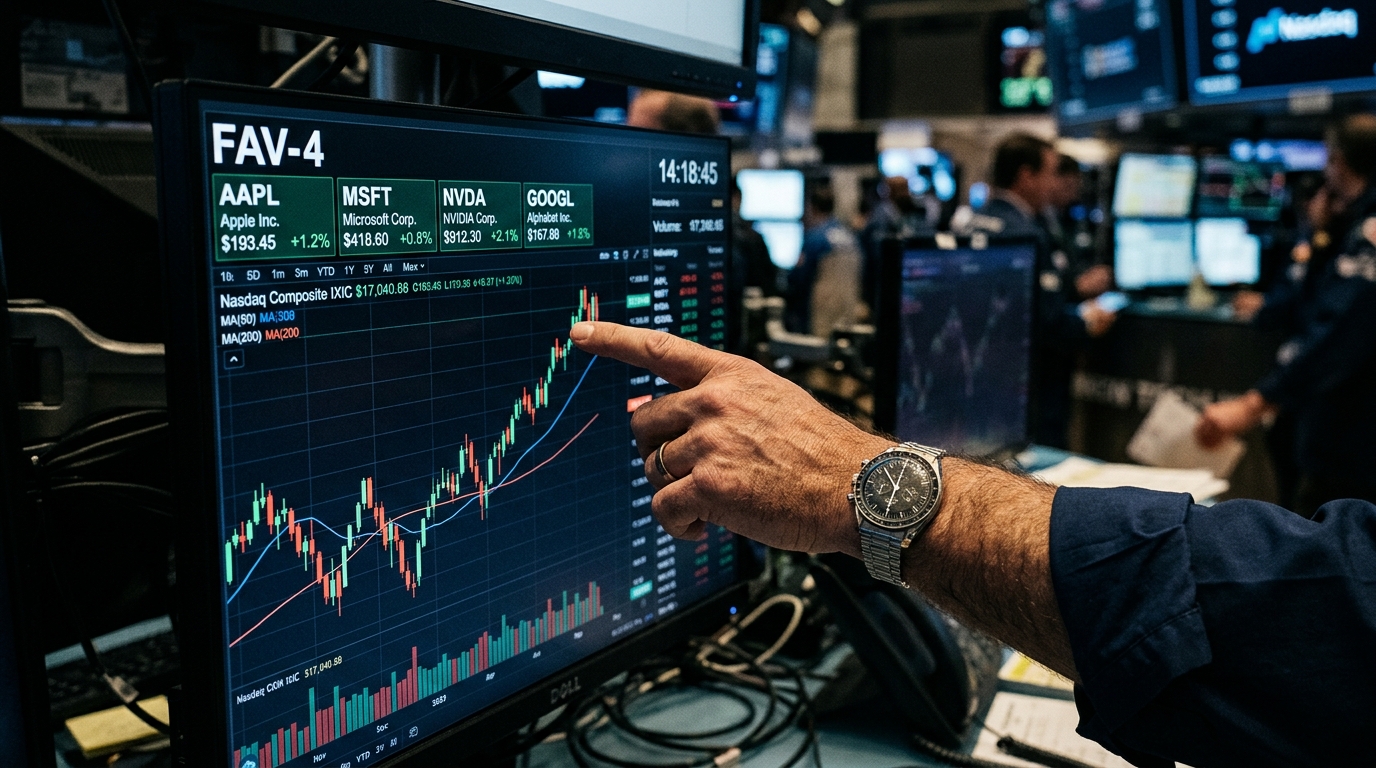
At current prices, HOOD is trading 0.8% below its 20-day simple moving average of $93.98 and 6.2% below its 50-day SMA of $99.43. That keeps the intermediate trend pressure tilted lower. But it's also 5% above its 100-day SMA of $88.84, which suggests the pullback has so far been more of a "reset" than a "breakdown."
The longer-term picture is a bit mixed. The 50-day SMA is still above the 200-day SMA, a golden cross that occurred in August, but price is currently 3.6% below the 200-day SMA of $96.75. That's a common "prove it" zone for trend followers. Zooming out, the stock is down 14.86% over the past 12 months and remains well below its 52-week high of $153.86. That means rallies could run into overhead supply from prior buyers looking to get back to even.
For traders watching the tape, the key levels to keep an eye on are tight. Resistance sits at $93.50, while support is at $93. These are the levels that could define the day's risk.
So, is this a turning point for Robinhood? Tenev's vision is ambitious, and the regulatory winds might be shifting. But for now, the stock is still in a bit of a no-man's land, caught between moving averages and waiting for a catalyst to break it out of its range.