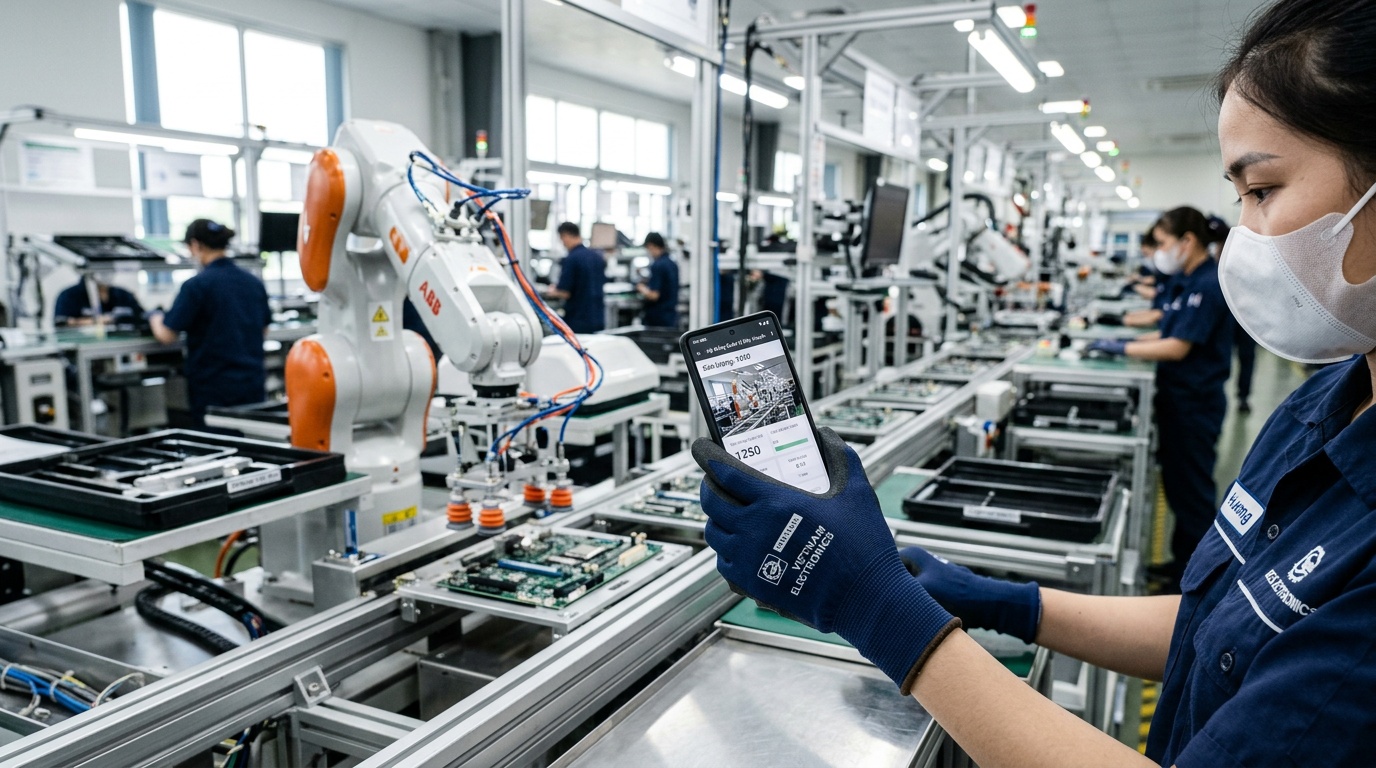
Google is getting ready to say goodbye to China for its Pixel lineup. According to a report from Nikkei Asia, the company has told its suppliers that it wants to make all Pixel smartphones, watches, and wireless earbuds outside of China starting next year. The full transition is expected to be complete by 2027.
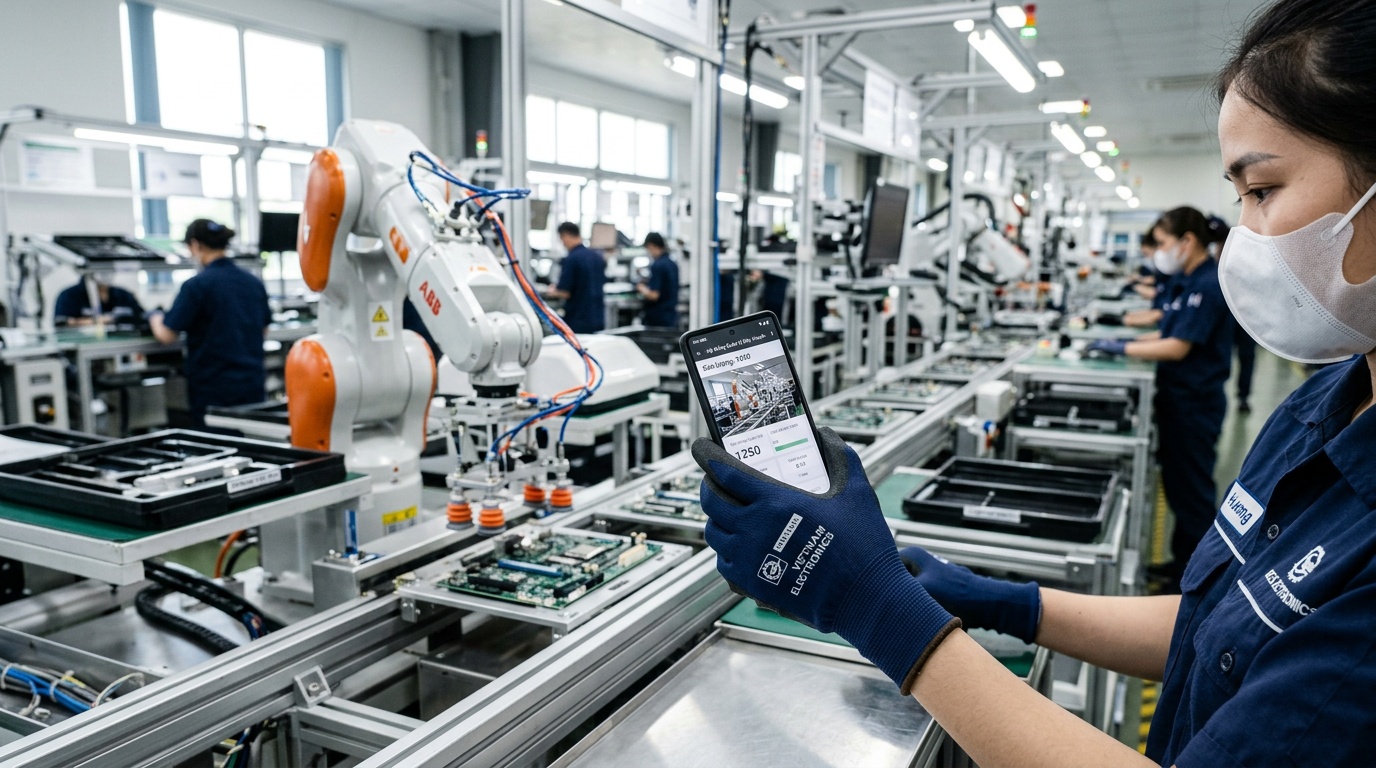
This isn't a snap decision. Google has been quietly building up its manufacturing capacity in Vietnam and India for a while now, even though a big chunk of its production still happens in China. The fact that Google has managed to make premium Pixel phones in Vietnam successfully has apparently given it the confidence to go all in on the move.
If this happens, Google would become the second major smartphone brand after Samsung Electronics Co. (OTC: SSNLF) to pull production out of China entirely. It's a bit easier for Google to do this than for Apple Inc. (NASDAQ: AAPL), simply because Google doesn't have much of a presence in the Chinese market anyway. Apple, on the other hand, has a lot more at stake there.
Google didn't immediately respond to a request for comment.
Google Holds Its Ground Amid Rising Chip Costs
Memory chip prices have been climbing, and that's been a headache for smartphone makers. Handset prices have gone up in big markets like the U.S. and China, which has put a damper on consumer demand. But Google isn't backing down. The company still expects Pixel shipments to rise 8% to 10% this year, up from roughly 12 million units last year.
To get better pricing from memory chip suppliers like Micron Technology Inc. (NASDAQ: MU), Samsung, and SK Hynix Inc – ADR (NASDAQ: SKHY), Google is doing something clever. It's bundling the memory chip orders for its cloud computing business with the orders for its smartphones. That gives it more leverage in negotiations, since it's buying a lot more chips overall.
Apple and Huawei are among the few smartphone makers still aiming for shipment growth during this chip crunch. Xiaomi, Oppo, and Vivo have all cut their forecasts repeatedly as memory chip and component costs squeeze the industry.
Google has been more careful about raising prices on existing models than Samsung or Motorola, which has helped its midrange Pixel lineup stay competitive. Counterpoint Research's Gerrit Schneemann told Nikkei that Google's promotional strategy in the U.S. has led to stronger sales. He also noted that the premiumization trend and attractive pricing of the Pixel 9a and 10a are supporting demand, even as the prepaid segment faces pressure.
Disclaimer: This content was partially produced with the help of AI tools and was reviewed and published by MarketDash editors.








.jpeg)