






If you were hoping for a quiet Friday in the world's most important oil chokepoint, you're out of luck. Shipping traffic through the Strait of Hormuz nearly ground to a halt after two more vessels were attacked, and the U.S. is signaling it's about to turn the economic screws on Iran even tighter.
Strait of Hormuz Traffic Nearly Grinds to a Halt After Two More Ships Get Attacked, US Tightens Pressure on Iran
MarketDash
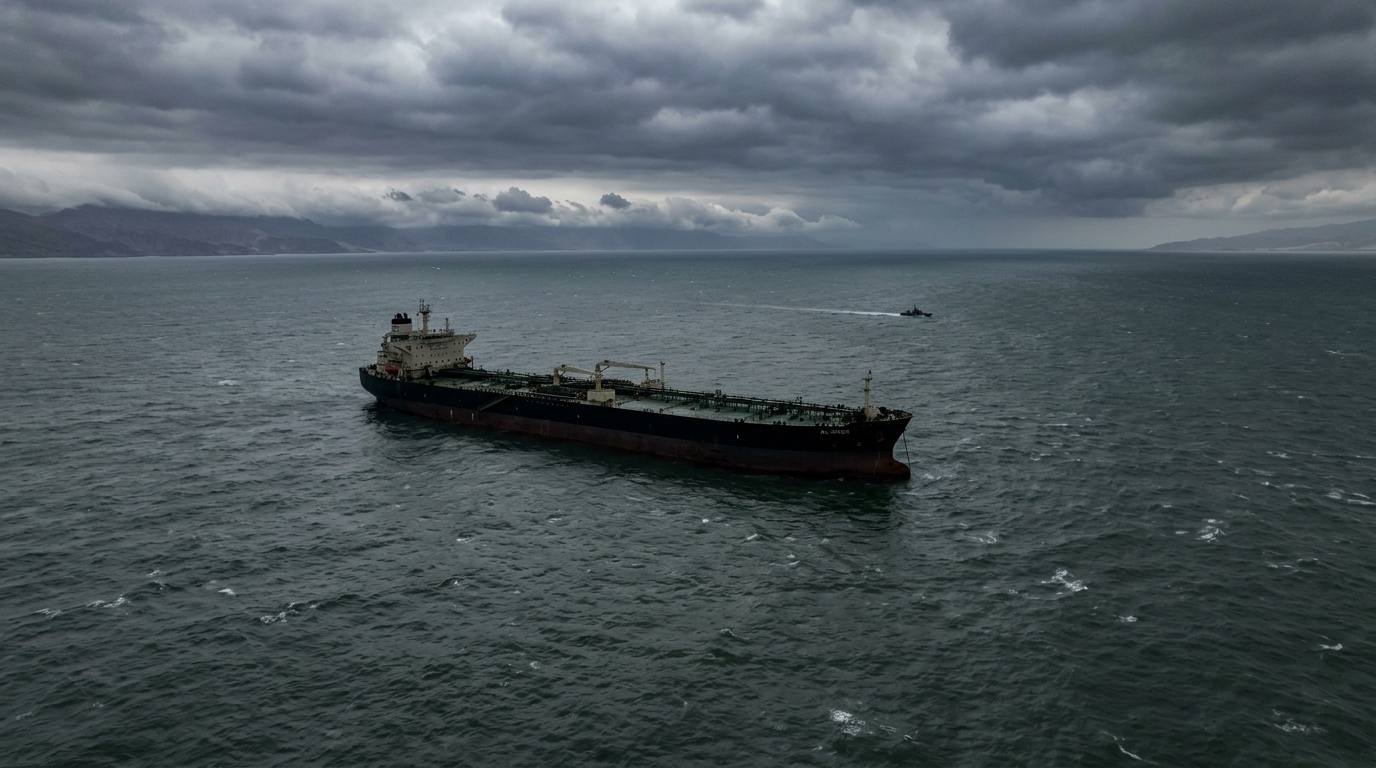
Shipping traffic through the Strait of Hormuz nearly stalled after two more vessel attacks, as the U.S. prepared fresh sanctions on Iran.
Get Market Alerts
Weekly insights + SMS alerts
Strait of Hormuz Traffic Plunges as Iran Talks Stall
The slowdown follows a senior Iranian source who on Wednesday said there had been no progress in talks to build on a June agreement to end the war, Reuters reported on Friday.
According to ship tracking firm Kpler, only nine vessels passed through the strait Thursday, up from five Wednesday but well below August's 12-ship average. To put that in perspective, more than 130 ships crossed daily before the U.S.-Israel war on Iran began in February. That's a staggering collapse in one of the world's most critical maritime routes.
Abu Dhabi National Oil Company said two of its vessels were attacked Thursday; the UAE government blamed Iran, which did not comment. Meanwhile, U.S. Defense Secretary Pete Hegseth told reporters the Navy can sustain its blockade of Iran long-term by rotating ships in and out.
Treasury Signals Unprecedented New Sanctions
On Friday, Treasury Secretary Scott Bessent said the U.S. plans fresh measures "next week," calling them unmatched in the history of economic isolation, in an interview on Newsmax's "Rob Schmitt Tonight." That's a bold claim, but it underscores how serious Washington is about squeezing Tehran.
Talks to revive June's ceasefire have stalled. Earlier this week, Iran's new security chief, Mohsen Razaei, said in a post on X that the strait will reopen only once the U.S. ends the war and blockade, releases frozen assets and agrees to a region-wide ceasefire. Iran's Foreign Minister Abbas Araghchi has also hit back, accusing Washington on Thursday of repeated intelligence failures and warning of an even bigger miscalculation over the strait.
So, what's the takeaway? The situation remains tense, with no clear path to de-escalation. For markets, this means continued uncertainty around oil supply and shipping costs. Keep an eye on the strait—it's not just a geopolitical flashpoint, it's a barometer for global energy prices.
More News
Strait of Hormuz Traffic Nearly Grinds to a Halt After Two More Ships Get Attacked, US Tightens Pressure on Iran
Buy This Stock at 9:30 AM on MONDAY!

Applied Materials Sees Another Record Year In 2027 As AI Demand Gives It ‘Unprecedented Visibility’

S&P 500 Hits Record Highs, SanDisk Soars 60% From July Lows: This Week on Wall Street

Reddit Stock Surges on S&P 500 Inclusion: What Investors Need to Know

The trading strategy that works BECAUSE you have a life

NVIDIA Says 'Free AI' Is Great For Chips — Jensen Huang's Open-Source Bet Could Fuel GPU Demand

Sandisk Stock Keeps Climbing After Investor Day Promises Big Margins
Get Market News Alerts
Real-time alerts on price moves, news, and trading opportunities.
Join 20,000+ investors. No spam, ever.
Featured Articles
View all newsApplied Materials Sees Another Record Year In 2027 As AI Demand Gives It ‘Unprecedented Visibility’
By MarketDash
August 14, 2026
Buy This Stock at 9:30 AM on MONDAY! (Ad)
By StocksToTrade
S&P 500 Hits Record Highs, SanDisk Soars 60% From July Lows: This Week on Wall Street
By MarketDash
August 14, 2026
Reddit Stock Surges on S&P 500 Inclusion: What Investors Need to Know
By MarketDash
August 14, 2026
NVIDIA Says 'Free AI' Is Great For Chips — Jensen Huang's Open-Source Bet Could Fuel GPU Demand
By MarketDash
August 14, 2026

Inside: Pre-IPO Ticker + The Next Elon Musk? (Ad)
By Banyan Hill
Sandisk Stock Keeps Climbing After Investor Day Promises Big Margins
By MarketDash
August 14, 2026

Wall Street's Crypto Appetite: Morgan Stanley and JPMorgan Pile Into Bitcoin and Ethereum ETFs
By MarketDash
August 14, 2026