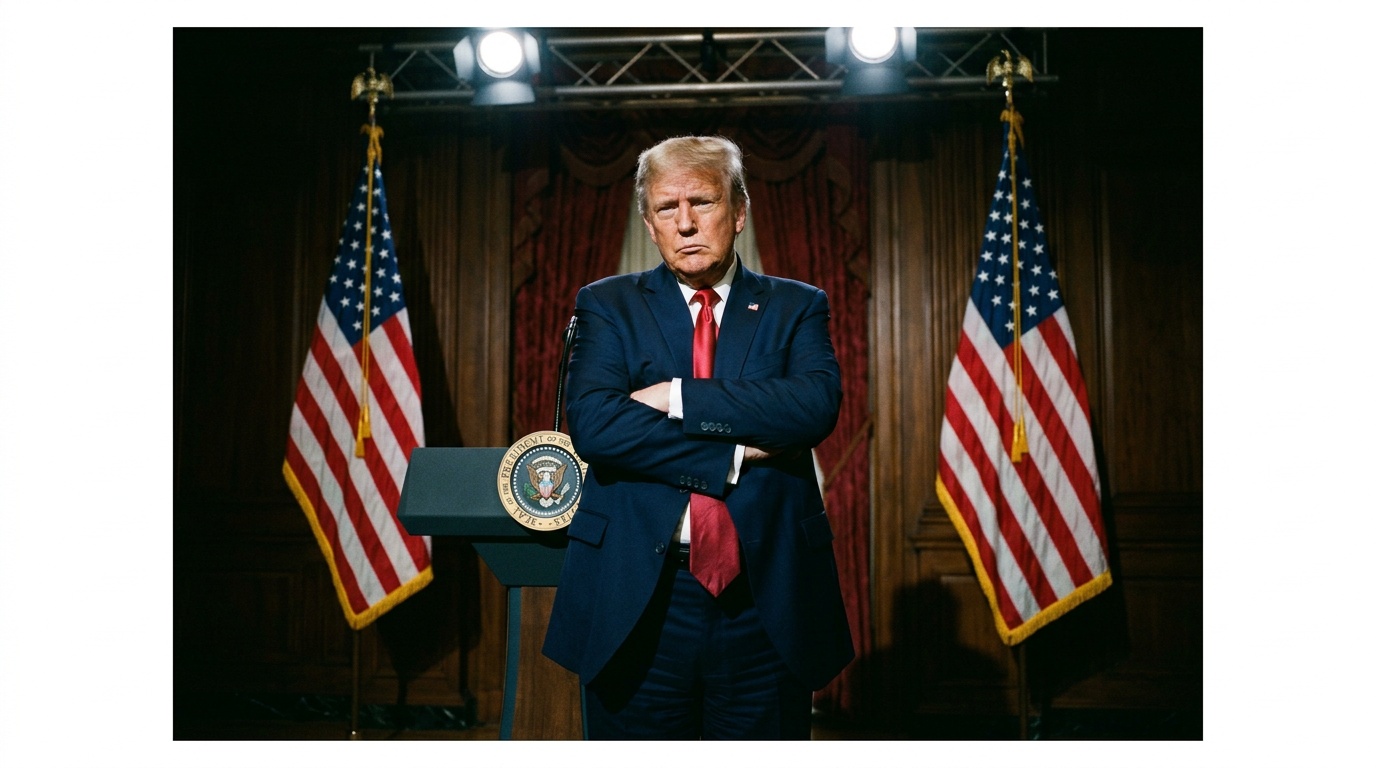
Red Cat Holdings Inc. (RCAT) shares took off on Friday, riding a wave of new tariffs that President Donald Trump slapped on imported drones and their components. The move is a clear win for domestic drone makers, and investors are betting that Red Cat, which builds drones for defense and government use, will be a big beneficiary.
Here's the deal: Trump signed a proclamation on Thursday that sets up tariffs on unmanned aircraft systems (UAS) and related parts. The goal is to level the playing field for U.S. manufacturers, who have been struggling to compete with cheaper foreign rivals. The policy could also give a boost to other domestic players like Kratos Defense & Security Solutions Inc. (KTOS), AeroVironment Inc. (AVAV), Unusual Machines Inc. (UMAC), and Ondas Inc. (ONDS).
Tariffs Target Foreign Drone Competition
The proclamation is pretty aggressive. It imposes a 100% tariff on certain drones that are considered particularly sensitive for national security. We're talking about drones with a maximum takeoff weight of more than 25 kilograms, and those with thermal imaging capabilities. The tariff also covers docking stations and critical components for those drones.
But not all drones get hit equally. Smaller drones that don't have those sensitive capabilities, along with other components, will face a 25% tariff. And there's some relief for allies. Drones and components from the European Union, Japan, Liechtenstein, South Korea, Switzerland, and Taiwan will see a 15% tariff, while the UK gets a 10% rate, as long as the hardware, software, and technology mostly originate from those countries and the U.S.
The tariffs generally kick in 21 days after signing. But for components that aren't considered particularly sensitive, it's a longer wait: 180 days. The same 180-day timeline applies to products that the Defense Department approves for an exemption from the FCC's Covered List within 20 days of signing.
So what does this mean for Red Cat? Simple. By making foreign drones more expensive, the tariffs give U.S. manufacturers a competitive edge. Red Cat develops drones for defense, government, and security applications, so it's right in the sweet spot of the domestic industry the administration wants to support.
White House Pushes Domestic Drone Manufacturing
But the proclamation isn't just about tariffs. It also gives Commerce Secretary Howard Lutnick the authority to create a program to encourage investment in domestic drone manufacturing. This follows an investigation by Lutnick, who concluded that the U.S. is "too reliant" on foreign drone supply chains and that foreign components "pose security and safety risks."
"U.S. drone production needs to be expanded rapidly to ensure U.S. national and economic security," the White House said in a statement.
This is part of a broader push by Washington to reduce dependence on foreign-made technology in areas critical to national security. It's a theme we've seen play out in semiconductors, and now it's drones' turn.
Red Cat Price Action
So, how did the market react? Red Cat Holdings shares were trading up 3.42% at $10.58 at the time of publication on Friday, according to market data. That's a solid gain, and it reflects investor optimism that the tariffs will help Red Cat's bottom line.
Of course, tariffs are just one piece of the puzzle. The real test will be whether Red Cat can capitalize on this policy shift and win more contracts. But for now, the market is liking what it sees.