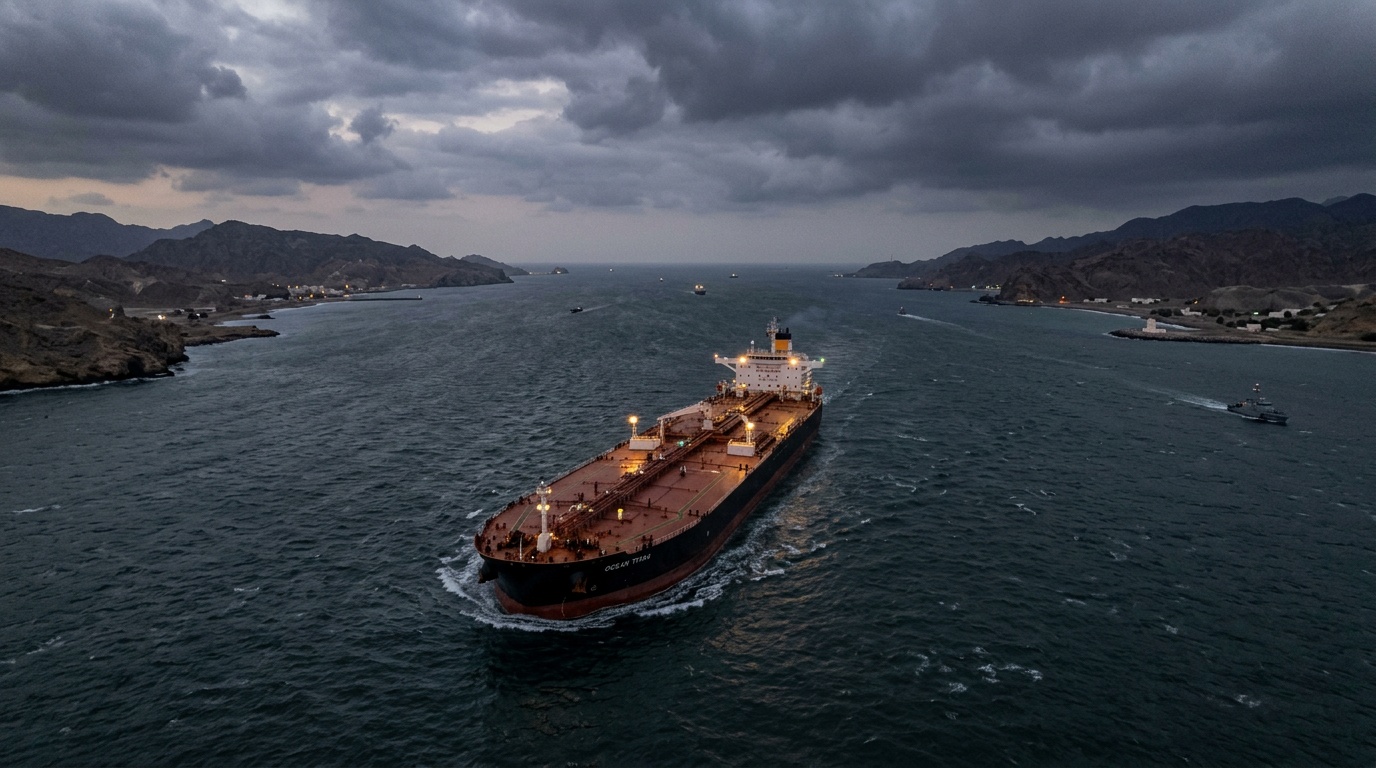
Iran's top diplomat is firing back at Washington, warning that the U.S. is about to repeat its biggest mistake yet in the Strait of Hormuz.
Seyed Abbas Araghchi, Iran's Minister of Foreign Affairs, took to X on Thursday to slam U.S. handling of the crisis. "The U.S. has long miscalculated due to intelligence failures. Case in point: The war on Iran. Now, an even bigger miscalculation on the Strait of Hormuz," he wrote. He added a sharp jab: "Worse than fake news is fake intelligence. Be careful."
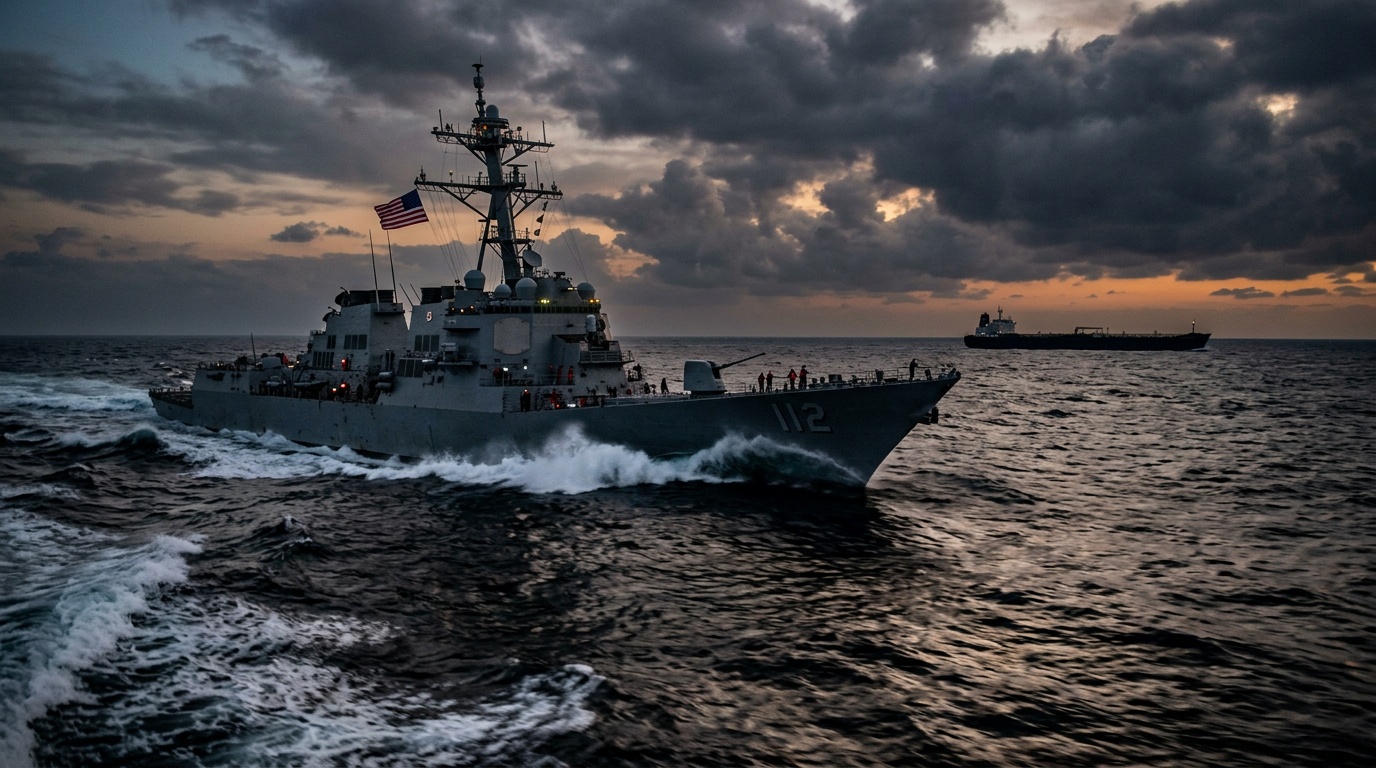
The message came as the U.S. maintains a naval blockade of Iranian ports, a move that has hammered Iran's economy. Defense Secretary Pete Hegseth told reporters in Panama that the blockade can be sustained "indefinitely," thanks to a rotation of ships. "...because we'll rotate ships in and out, as we have, and we'll continue to," he said.
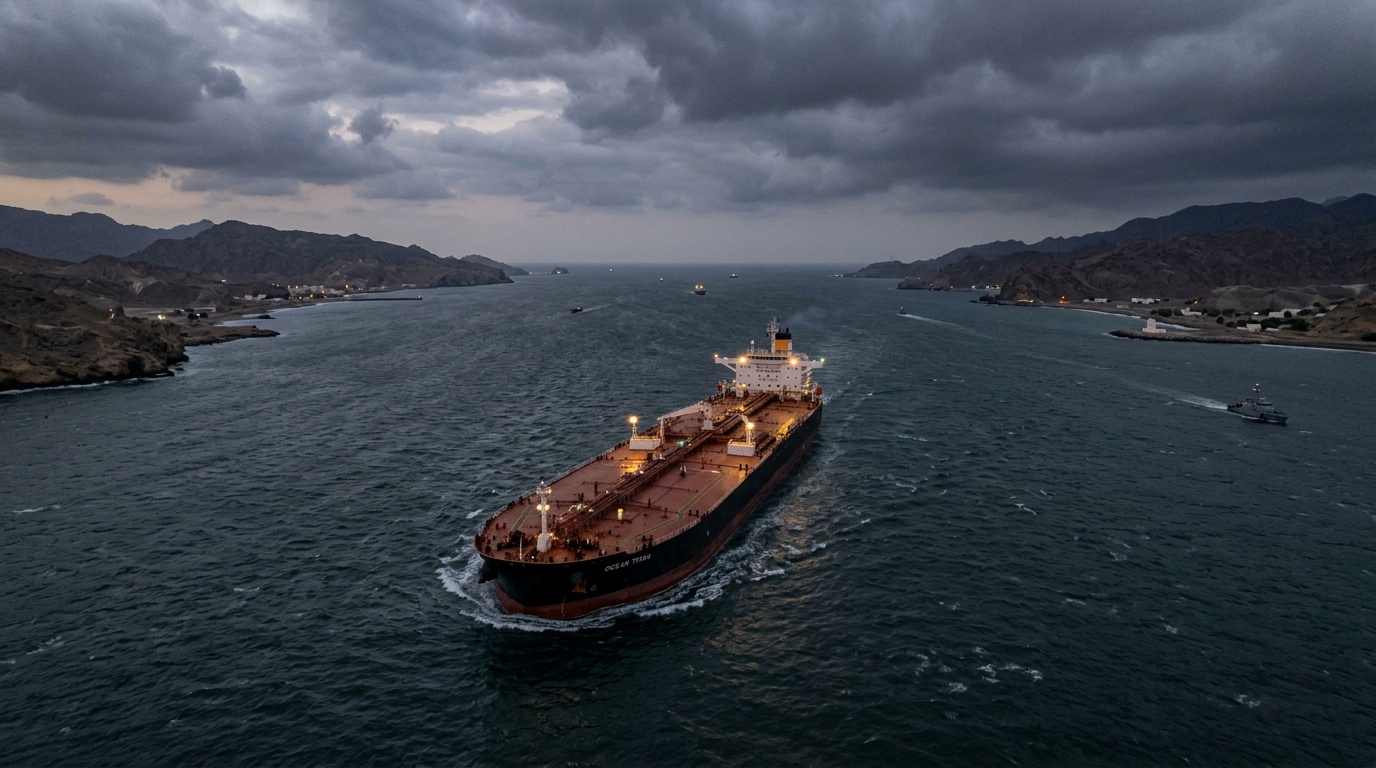
Treasury Secretary Scott Bessent went even further, promising in a Newsmax interview that the U.S. will impose "never been seen" economic isolation on Iran, with more measures expected next week. President Donald Trump has also claimed "total control" over the Strait, though Iran's Persian Gulf Strait Authority (PGSA) disputes that, insisting the waterway remains blocked.
The standoff is already moving markets. Brent crude futures were up 1.60% at $88.45 a barrel, while WTI climbed 1.88% to $82.80.
But the bigger worry might be what happens down the road. Rick Rule, a veteran natural-resource investor, argues that even a ceasefire or smoother tanker traffic through Hormuz would only provide short-term relief. The real problem, he says, is a supply crunch brewing for 2029-30, driven by years of underinvestment. According to his research, the global oil and gas industry, including state-owned producers, has underinvested more than $1 billion a day in sustaining capital.
The International Energy Agency (IEA) echoes the concern, projecting global oil supply to drop by 4.3 million barrels per day, or about 4%, this year as Middle East hostilities disrupt production and shipping, deepening the market deficit.
So while the immediate focus is on the blockade and the rhetoric, the long-term picture is one of a market that's been living on borrowed time. The question is whether the current crisis is a preview of something even bigger.
Disclaimer: This content was partially produced with the help of AI tools and was reviewed and published by MarketDash editors.