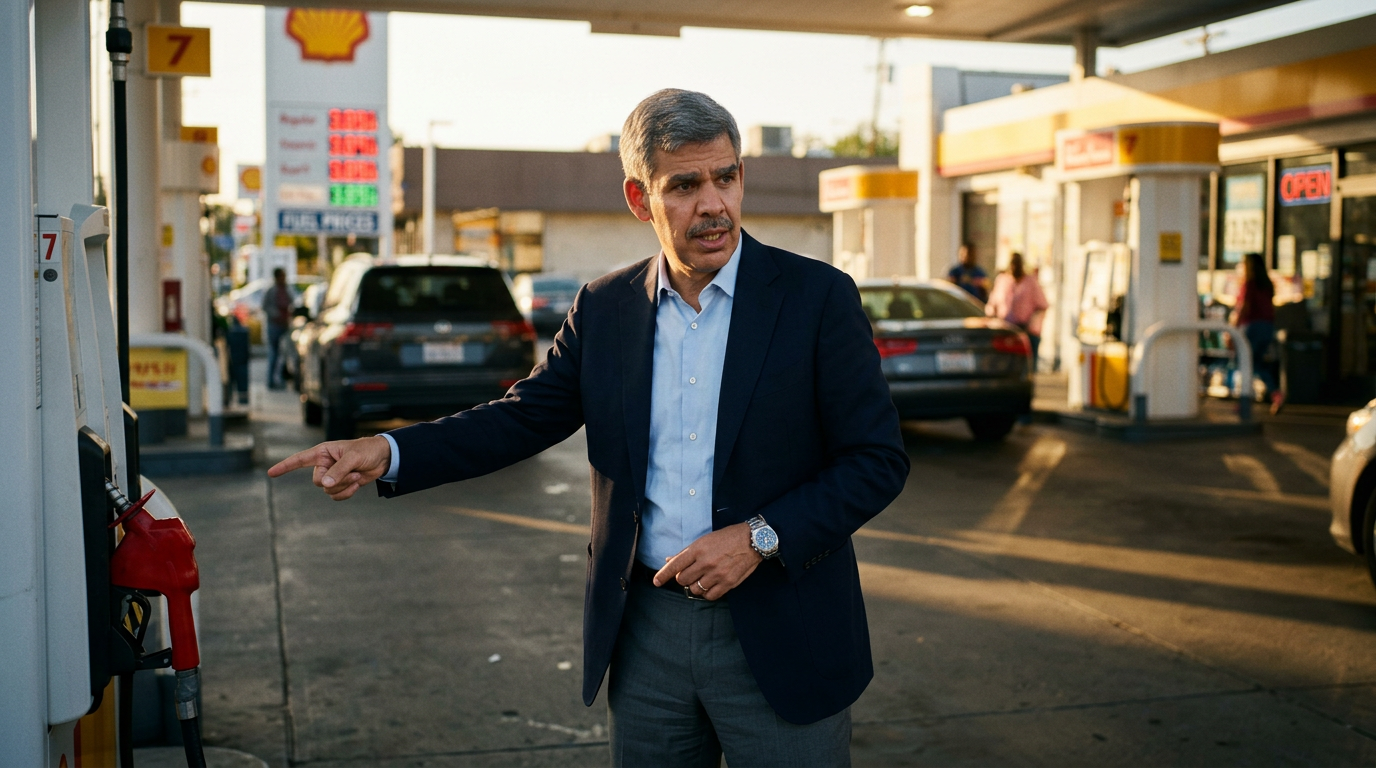
Economist Mohamed El-Erian has a stark warning for drivers: the national average price of gas in the U.S. will hit $4 a gallon by the end of July. The culprit? Escalating tensions between the U.S. and Iran, and the uncertainty swirling around the Strait of Hormuz — a critical chokepoint for global oil shipments.
Taking to X on Tuesday, El-Erian said he'd been asked what happens to U.S. gas prices if oil stays elevated. His answer was blunt: "We'll see regular retail gasoline rise back above $4.00 a gallon, and diesel above $5.00, both before the end of this month." That's not a prediction of a spike — it's a warning that current prices are already on that trajectory.
Oil futures are already moving. West Texas Intermediate (WTI) crude surged 2% to trade at $80.93 a barrel. Brent crude, the global benchmark, hit $86.51 a barrel. The United States Oil Fund (USO), an oil ETF, jumped 3.18% to $121.51 in pre-market trading.
The Political Blame Game Heats Up
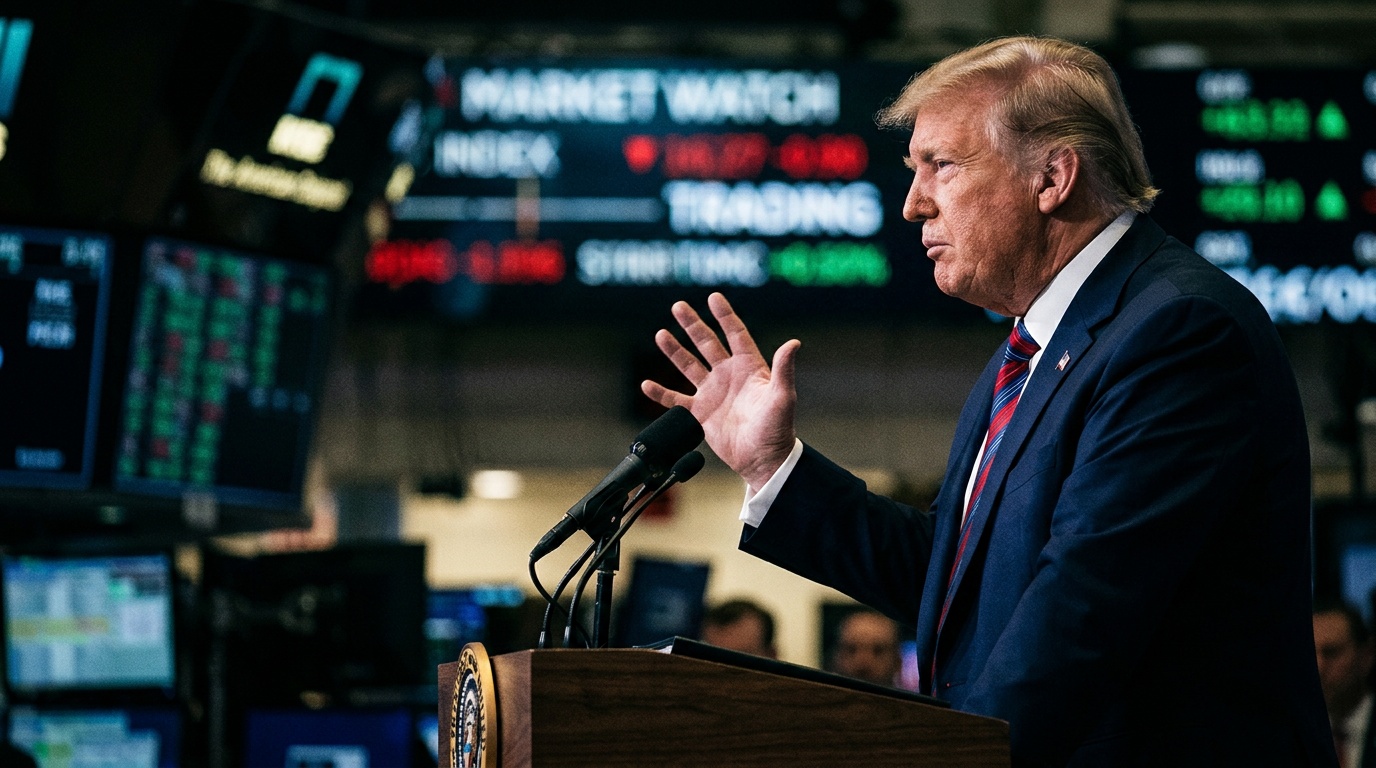
With gas prices rising, the political finger-pointing has begun. Senate Republicans took to X on Tuesday to slam Democrats, posting: "Democrats gave us $5 gas by design. Their green energy policies caused prices to skyrocket over 9%. Senate Republicans are cutting taxes and unleashing American energy to provide relief for American families."
But not everyone agrees with that narrative. The BlueGreen Alliance, a Minneapolis-based nonprofit, argues that the Trump administration's pro-fossil fuel stance has actually cost the clean energy sector nearly $83 billion and hundreds of thousands of jobs. The rollback of the $7,500 federal EV tax credit, for example, has pushed automakers like General Motors Co. (GM) to scale back their EV development plans.
Meanwhile, California Governor Gavin Newsom (D) announced a new statewide EV rebate program offering $3,500 off new EVs for first-time buyers. He framed it as filling the void left by Trump's "anti-EV policies."
What the Data Says
According to the American Automobile Association (AAA), the national average price for a gallon of regular gas stood at $3.89 on Wednesday. Diesel was at $4.938 a gallon, up from $4.882 on Monday. So El-Erian's prediction isn't far off — we're already knocking on $4's door.
The big question is whether oil prices will stay high. That depends on what happens with Iran and the Strait of Hormuz. If tensions escalate further, $4 gas could become the new normal — and the political debate over who's to blame will only get louder.