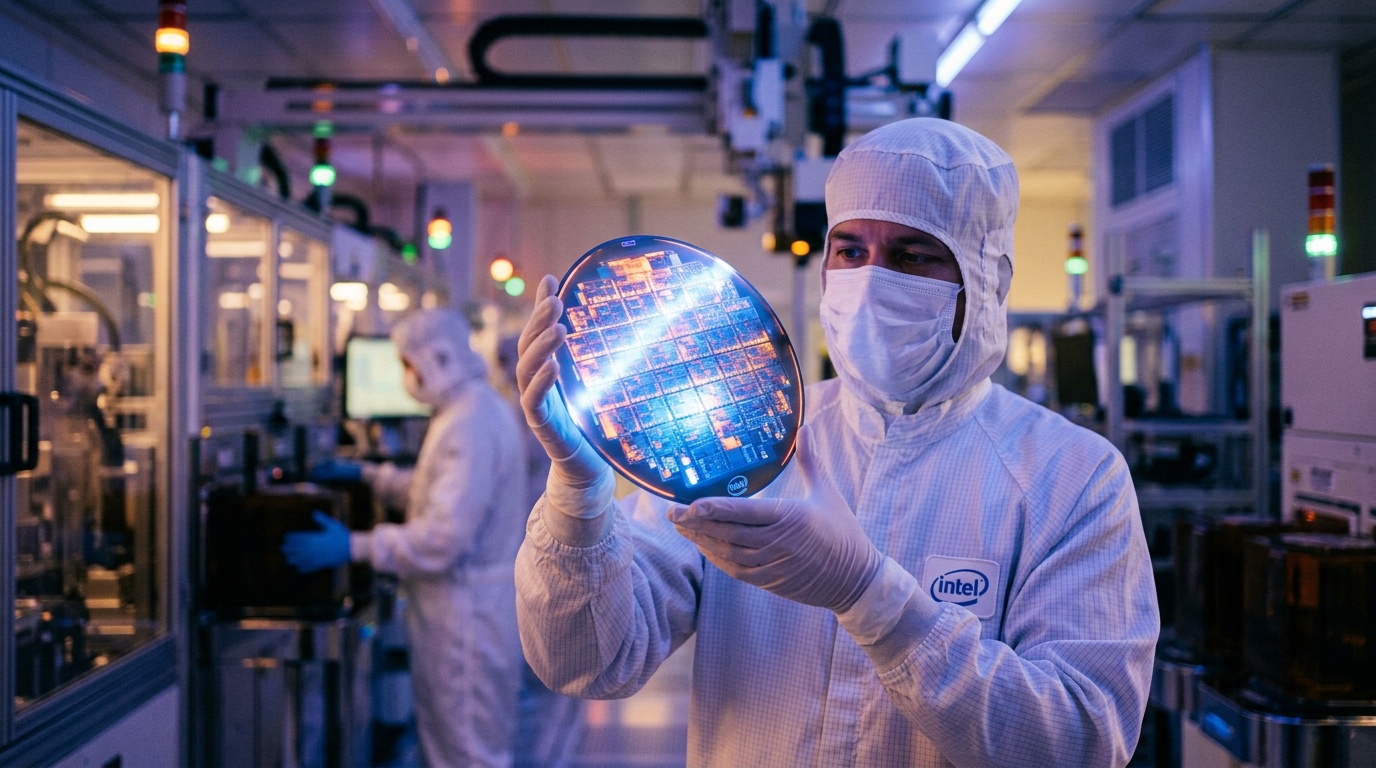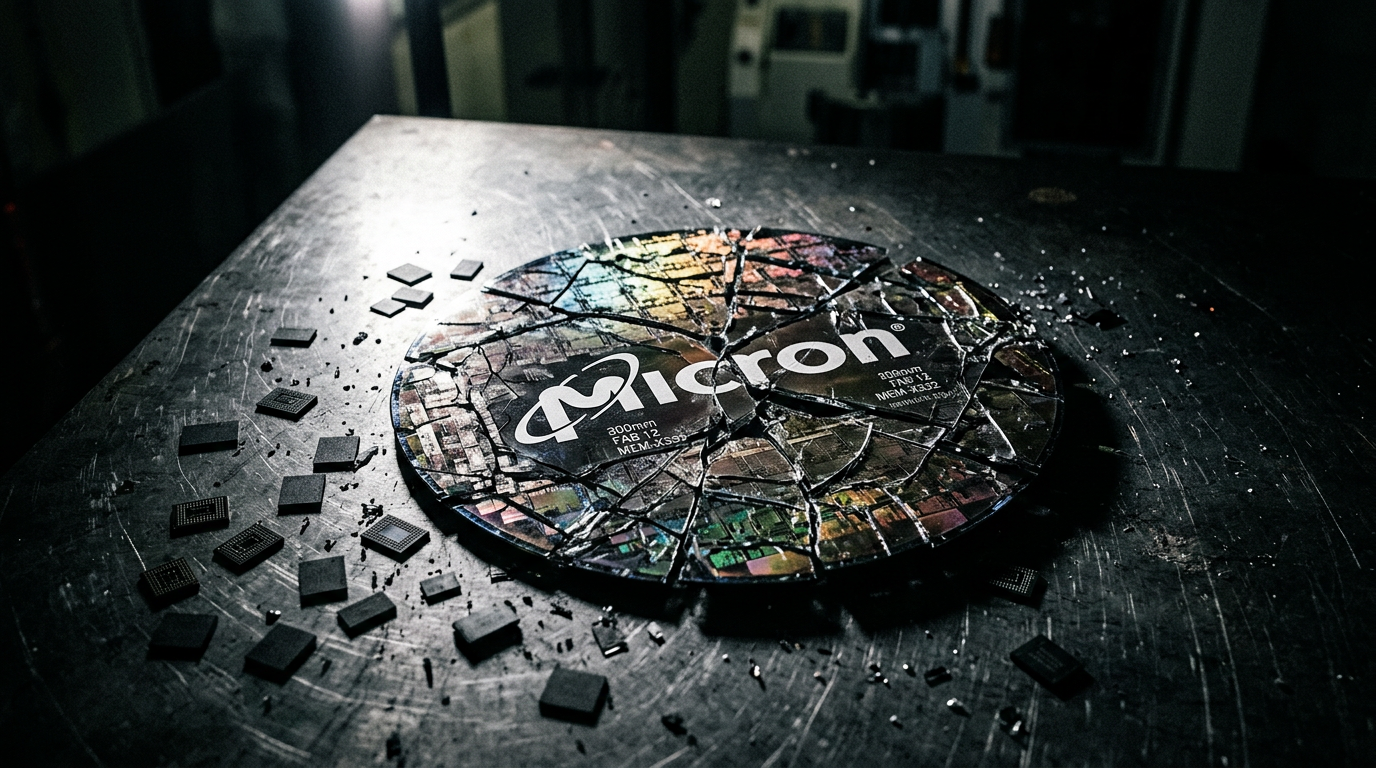
One of 2026's biggest ETF success stories has taken a dramatic turn. The Roundhill Memory ETF (DRAM), which became the fastest-growing ETF debut on record after amassing more than $20 billion in assets within weeks of its April launch, has now entered bear-market territory. The fund has tumbled nearly 30% from its late-June peak, while top holding Micron Technology Inc (MU) has fallen more than 21% over the same period, as investors reassess lofty valuations across the AI hardware trade. The pullback comes despite Micron's blockbuster quarterly results and Samsung Electronics reporting record earnings, underscoring that strong fundamentals are no longer enough to satisfy a market demanding clearer returns on massive AI investments.
The correction extends well beyond DRAM. According to Yahoo Finance, semiconductor companies have collectively lost around $1.5 trillion in market value since June 25, with Micron alone shedding nearly $350 billion. More than 25 semiconductor stocks, including SanDisk Corp (SNDK), Western Digital Corp (WDC), and Seagate Technology Holdings PLC (STX), have declined over 20% from recent highs. Investors are increasingly questioning whether AI-related valuations had become detached from near-term earnings potential, even as demand for high-bandwidth memory (HBM) and AI infrastructure remains robust.
Why The AI Memory Trade Is Cooling
The recent sell-off reflects a shift in investor sentiment rather than a collapse in industry fundamentals.
After months of steady gains fueled by AI optimism, markets are becoming less willing to pay premium multiples without stronger evidence that AI spending is translating into sustainable returns. The reassessment has also been fueled by concerns over debt-funded AI infrastructure investments.
Technology giants including Nvidia Corp (NVDA), Alphabet, Inc (GOOGL), Meta Platforms, Inc (META), Oracle Corp (ORCL) and Amazon.com, Inc (AMZN) have collectively raised tens of billions of dollars through debt offerings this year to finance AI expansion, reviving concerns that the industry may be entering a speculative phase.
Bridgewater Associates founder Ray Dalio has also warned that AI could follow the familiar boom-and-bust pattern seen during previous technological revolutions.
Why the long-term outlook may still be intact
Despite the sharp correction, the structural drivers behind the AI memory market remain largely unchanged.
Industry research firm IDC continues to project strong demand for memory chips as AI servers consume significantly higher amounts of DRAM and HBM than traditional data-center infrastructure. Manufacturers have also maintained disciplined production, limiting supply growth and supporting pricing.
The rapid emergence of Agentic AI, which requires increasingly complex memory-intensive workloads, is expected to further boost long-term demand. Meanwhile, SK hynix Inc.'s (SKHY) record-breaking U.S. IPO has reinforced investor confidence in the strategic importance of memory suppliers, even if valuations are undergoing a reset.
ETFs in Focus
Investors looking to gain exposure to the memory and semiconductor theme can consider:
– Roundhill Memory ETF (DRAM): Despite the bear market talk around DRAM, the pure-play AI memory ETF remains up more than 100% since its launch, reflecting the extreme volatility of thematic investing.
– Tema Memory ETF (DISK): A newer ETF focused on companies benefiting from rising global memory demand across AI, cloud computing and data centers.
– VanEck Semiconductor ETF (SMH): Provides broader exposure to leading semiconductor companies, including AI chipmakers and memory manufacturers.
– VanEck Fabless Semiconductor ETF (SMHX): Offers targeted exposure to fabless semiconductor designers benefiting from AI adoption.
Should Investors Buy the Dip?
The recent correction may ultimately prove to be a valuation reset rather than the end of the AI memory cycle. While investors have become more cautious about paying premium prices for AI-related stocks, the industry's long-term growth drivers—including AI infrastructure spending, memory shortages and the expansion of Agentic AI—remain firmly in place.
For ETF investors, however, DRAM's swift fall from one of the year's hottest launches to bear-market territory serves as a reminder that thematic funds can deliver outsized gains, and equally sharp pullbacks, when market sentiment changes.