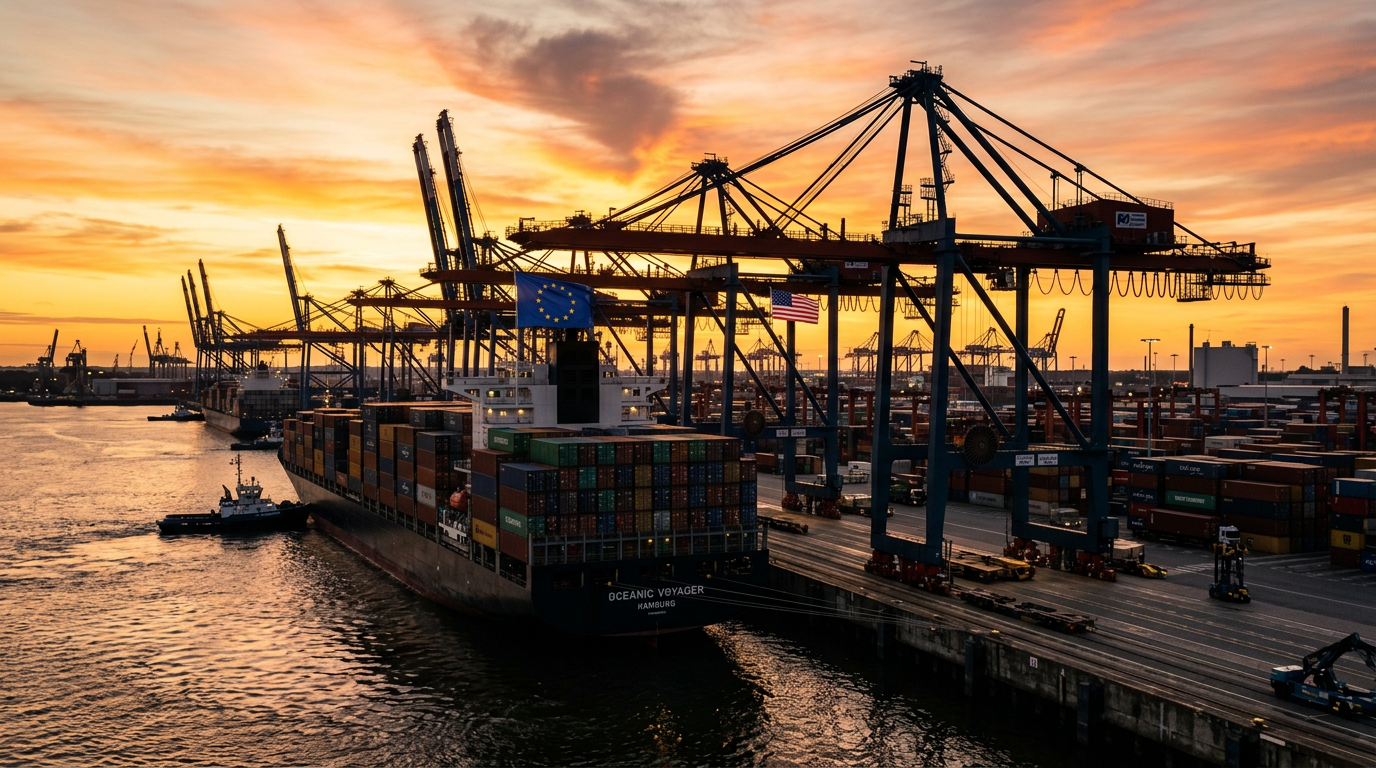
European Commission President Ursula von der Leyen said the European Union's decision to eliminate tariffs on U.S. industrial imports will strengthen trade ties and improve conditions for businesses and consumers on both sides of the Atlantic.
On Tuesday, in a post on X, von der Leyen announced that the EU is removing tariffs on imports of U.S. industrial products as part of a broader commitment under the EU-U.S. Joint Statement.
"Today the EU eliminates tariffs on imports of US industrial products," she wrote. She added, "This is good news for transatlantic trade. More predictability. More choice. Better prices for EU businesses and consumers."
She added that the move reflects a shared commitment between Brussels and Washington. "It's a commitment delivered under the EU-US Joint Statement," she said, calling "the transatlantic relationship remains the most valuable in the world." She also urged continued cooperation, writing, "Let's keep building on it."
Earlier, the European Union and the U.S. had advanced a trade agreement aimed at reducing tariffs and strengthening economic ties, after EU institutions reached consensus following extended negotiations. EU officials said the deal, based on a prior agreement reached in Scotland, would improve transatlantic stability and cooperation once finalized. Von der Leyen had welcomed the tariff reductions on U.S. industrial goods, calling it part of a commitment under the EU-U.S. Joint Statement and urging quick approval.
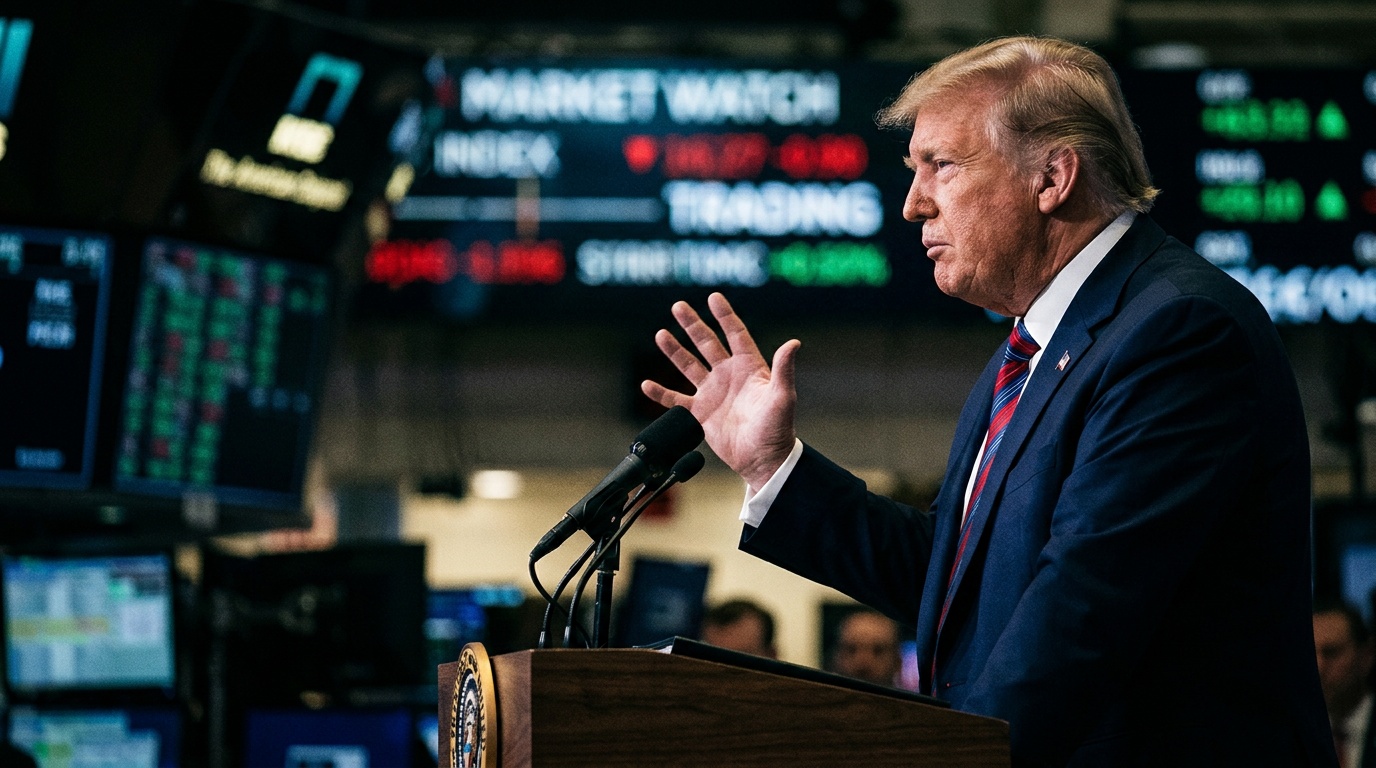
However, President Donald Trump warned that tariffs could rise if the EU failed to ratify the deal by July 4, adding pressure on Brussels despite ongoing implementation talks. Both sides continued to signal progress, with EU leaders reaffirming commitment to the agreement and describing negotiations as moving toward further tariff reductions in early July.
So what's the bottom line? For now, U.S. industrial exporters get a tariff break, which should mean lower costs and more predictable trade. But the clock is ticking on a broader deal, and the stakes are high. If the EU doesn't ratify by July 4, Trump has signaled he'll hit back with higher tariffs. That would undo the goodwill and raise costs again. For investors, it's a situation worth watching—especially for companies with significant transatlantic supply chains.