






On Tuesday, Iran ruled out direct talks with senior U.S. officials despite Washington's latest diplomatic push, underscoring deep divisions over a fragile ceasefire and the future of one of the world's most critical oil transit routes.
Iran Snubs Trump Envoys, Flexes Muscles Over Strait of Hormuz in New Challenge to U.S. Peace Push
MarketDash
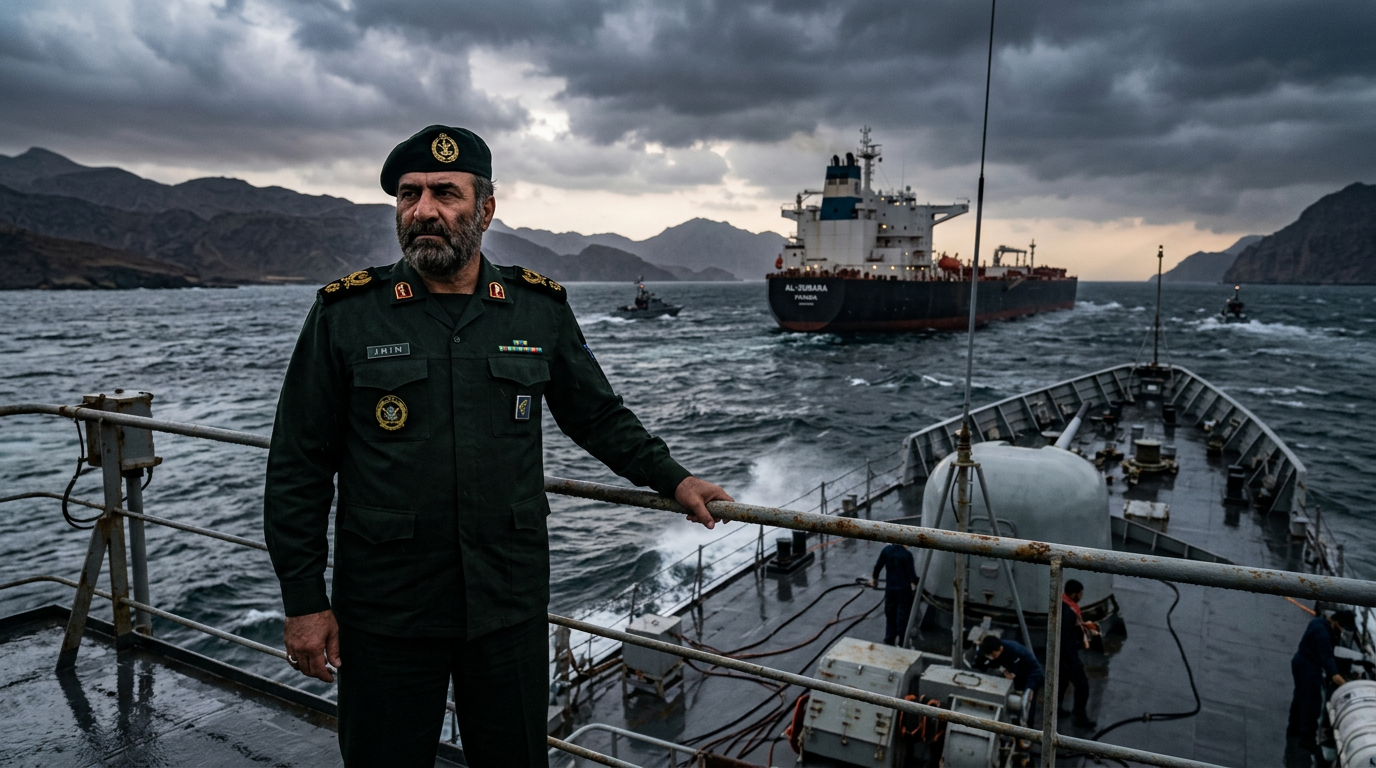
Iran refused direct talks with U.S. envoys and asserted control over the Strait of Hormuz, threatening oil markets and a fragile ceasefire.
Get Market Alerts
Weekly insights + SMS alerts
Oil Prices Ease Despite Lingering Tensions
Late in the day, Dow futures fell 59.00 points, or 0.11%, to 52,611.00, while S&P 500 futures were little changed at 7,548.25 and Nasdaq 100 futures rose 19.50 points, or 0.06%, to 30,543.00 as of around 8:53 p.m. EDT.
In commodities, WTI crude oil rose 0.78% to $70.04 per barrel, while Natural gas futures fell 0.79% to $3.249 per MMBtu.
Brent crude futures for August delivery, the global benchmark, edged lower to $72.92 per barrel. The contract fell about 21% in June, marking its steepest monthly decline since March 2020, according to CNBC.
Meanwhile, the U.S. dollar index, which tracks the greenback against a basket of currencies, rose 0.11% to 101.286.
Asian markets were mixed, with South Korea's KOSPI falling 0.19% to 8,460.72, while Japan's Nikkei 225 gained 2.54% to 71,843.25.
Iran Rejects Direct Meeting With US Envoys
Iranian officials said they would not hold direct talks with U.S. envoy Steve Witkoff and President Donald Trump's son-in-law Jared Kushner, who traveled to Qatar for what the White House described as high-level discussions aimed at preserving the ceasefire, Reuters reported.
Instead, the U.S. delegation will communicate through Qatari mediators. Qatar confirmed Prime Minister Sheikh Mohammed bin Abdulrahman Al Thani met with Witkoff and Kushner.
“No meeting at any level with the American side has been scheduled for the coming days,” Iranian Foreign Ministry spokesperson Esmaeil Baghaei said.
The development casts fresh uncertainty over a 60-day negotiating framework intended to build on a ceasefire reached two weeks ago and eventually address Iran's nuclear program and regional security issues.
Strait Of Hormuz Dispute Threatens Oil Market Stability
Iran also signaled it intends to assert greater control over the Strait of Hormuz, the strategic waterway that carries roughly one-fifth of global oil and liquefied natural gas shipments.
Mohammed Baqer Qalibaf, Iran's top negotiator, said on state television that “the sovereignty of the Strait of Hormuz lies with Iran and Oman,” adding that vessel traffic would be governed by arrangements determined by Tehran.
Iranian officials have also indicated they could begin imposing transit tolls after the 60-day negotiation period expires in mid-August.
U.S. Vice President JD Vance rejected that possibility.
“This is not going to end in a place where the Iranians are collecting tolls on ships going through the Strait of Hormuz,” Vance said on The Michael Knowles Show.
More News
Stock Market Today: S&P 500, Nasdaq 100 Futures Climb as Trump Warns Iran — MRVL, AAPL, ACN in Focus
Goolsbee Warns the Fed's Inflation Patience May Be Running Out as October Hike Odds Hold Above 50%
Iran Sends War-End Terms to Trump Via Qatar — Ex-Pentagon Official Says US May Read It as 'Surrender'

Arm Stock Jumps 13% as CEO Says AI Demand 'Never Been Stronger'

AMD Stock Hits Fresh Record High, Up 183% This Year

Bessent Pitches US-China AI Hotline Ahead of Trump-Xi Summit: 'We Want a Shared Vision'

Apple's iPhone 18 Demand Looks 'Fine,' but This Analyst Says the Stock Is 'Relatively Rich'
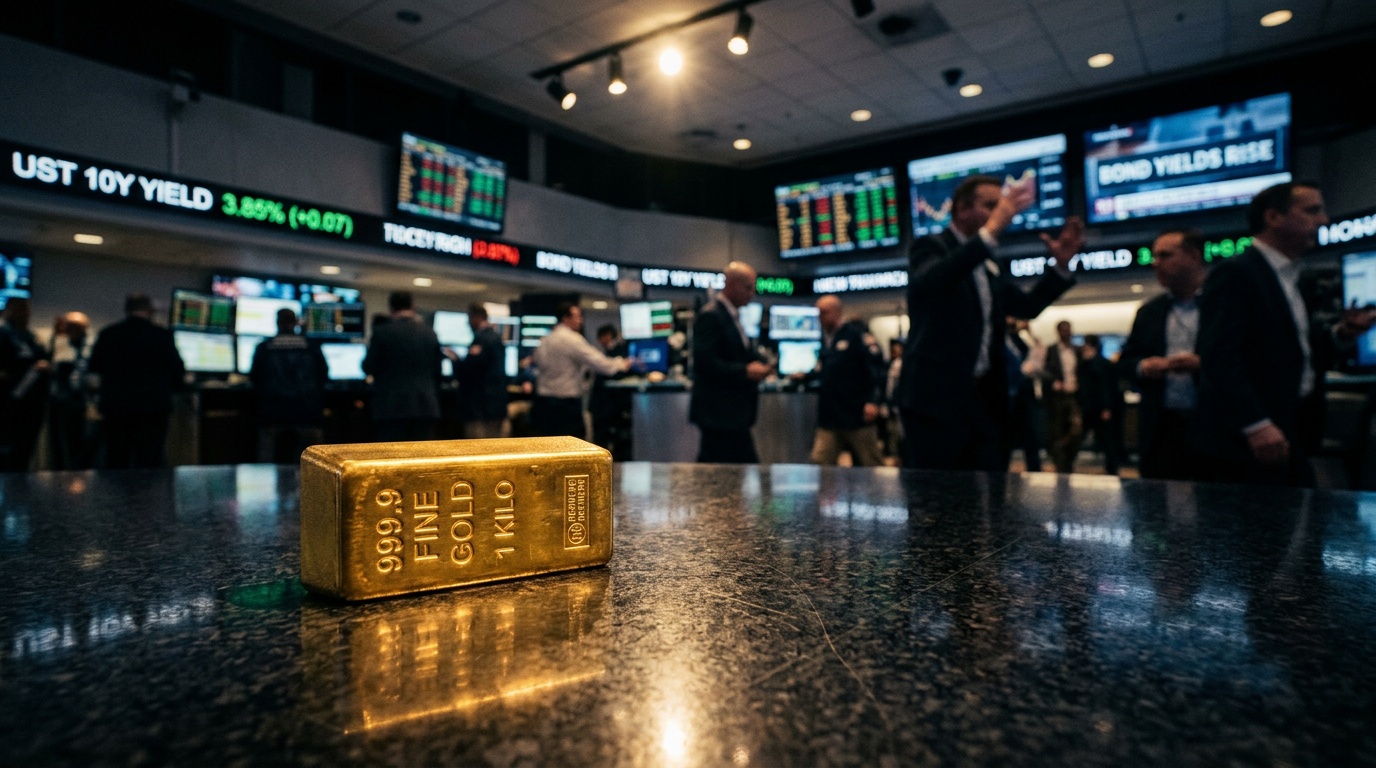
Gold to $5,000? Strategist Warns a Drop to $3,000 Comes First
Get Market News Alerts
Real-time alerts on price moves, news, and trading opportunities.
Join 20,000+ investors. No spam, ever.
Featured Articles
View all newsStock Market Today: S&P 500, Nasdaq 100 Futures Climb as Trump Warns Iran — MRVL, AAPL, ACN in Focus
By MarketDash
September 21, 2026

He Found Rolls-Royce Below $2. Now He’s Found His Second Unicorn. (Ad)
By The Oxford Club
Goolsbee Warns the Fed's Inflation Patience May Be Running Out as October Hike Odds Hold Above 50%
By MarketDash
September 21, 2026
Iran Sends War-End Terms to Trump Via Qatar — Ex-Pentagon Official Says US May Read It as 'Surrender'
By MarketDash
September 21, 2026
Arm Stock Jumps 13% as CEO Says AI Demand 'Never Been Stronger'
By MarketDash
September 21, 2026
AMD Stock Hits Fresh Record High, Up 183% This Year
By MarketDash
September 21, 2026
Bessent Pitches US-China AI Hotline Ahead of Trump-Xi Summit: 'We Want a Shared Vision'
By MarketDash
September 21, 2026
Apple's iPhone 18 Demand Looks 'Fine,' but This Analyst Says the Stock Is 'Relatively Rich'
By MarketDash
September 21, 2026