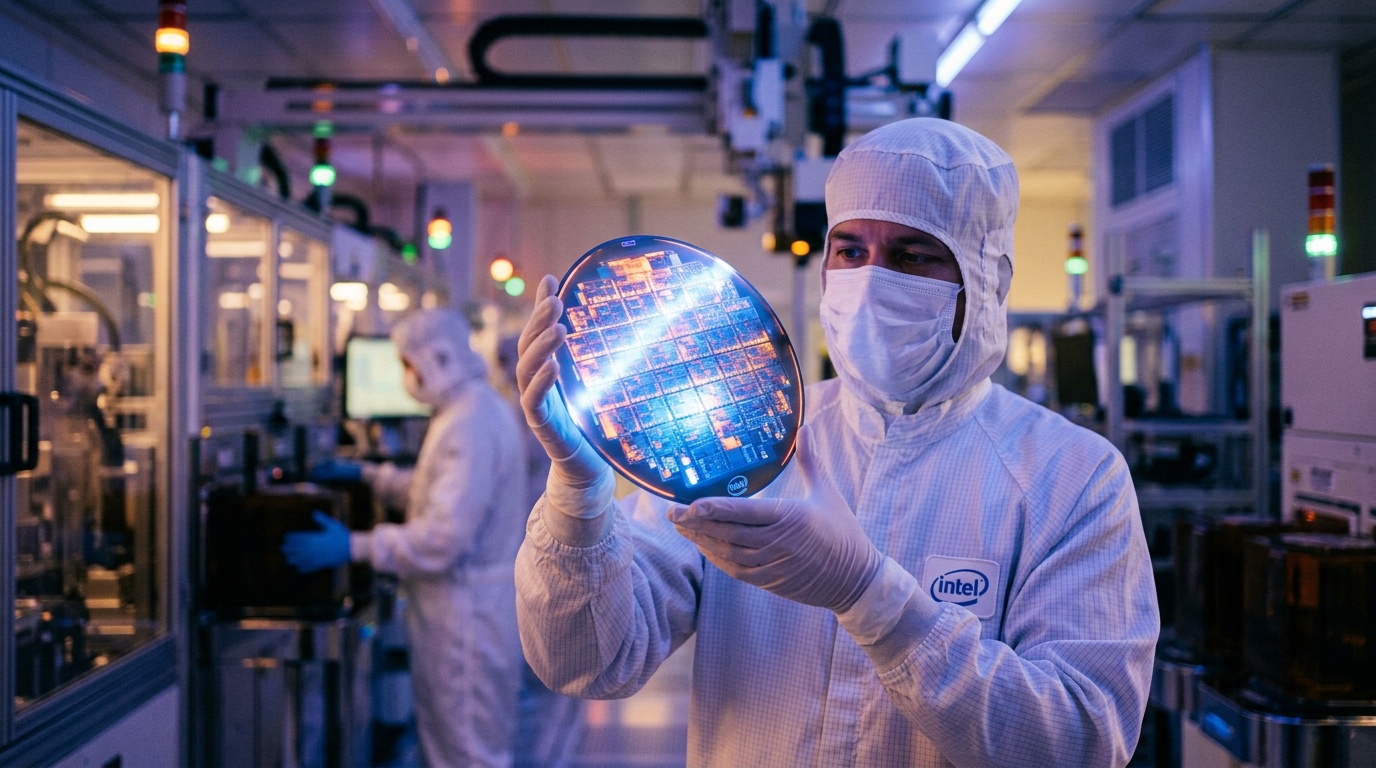
Tech startup I-Pulse has secured a $250 million research and development grant from the U.S. Department of Commerce's CHIPS office. It is one of the largest federal investments in a company developing semiconductor technologies.
The funding should accelerate the development of I-Pulse's proprietary silicon-carbide semiconductor components, strengthening U.S. efforts to boost domestic chip manufacturing and reduce dependence on foreign supply chains.
"This award supports the development of world-leading critical components in the pulsed power technology stack, with profound implications for energy security and national defense," I-Pulse co-founder and CEO Robert Friedland said in an announcement.
According to Bloomberg, the deal is the latest sign of billionaire mining entrepreneur Robert Friedland's growing collaboration with the Trump administration on efforts to strengthen U.S. critical mineral and supply-chain security.
Bloomberg noted that Friedland's Ivanhoe Electric Inc. (IE) is also working with the U.S. Export-Import Bank on financing for an Arizona copper project, and that he attended the White House unveiling of a critical minerals stockpiling initiative in February.
Unlocking Clean Energy
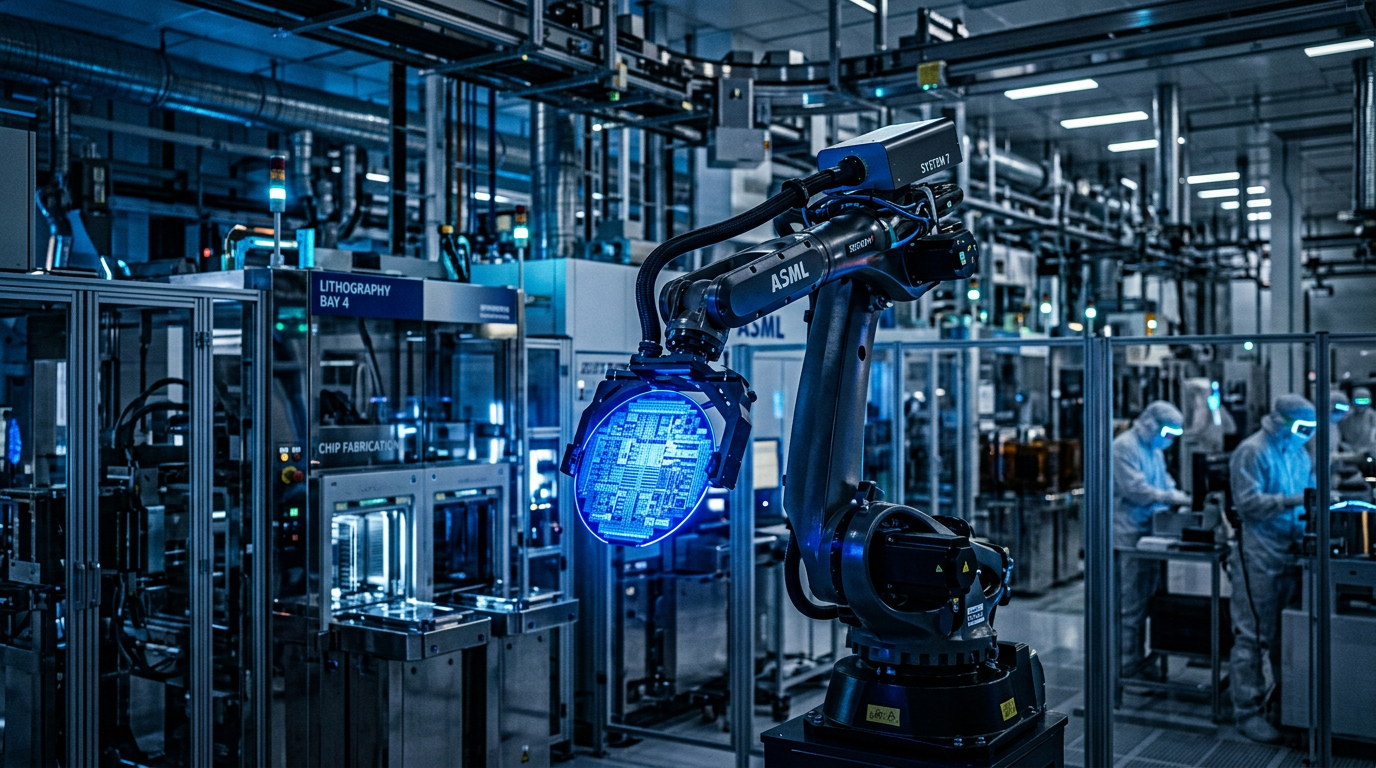
The Albuquerque-based firm, located near Sandia National Laboratories and the U.S. Air Force Research Laboratory, will partner with national laboratories, universities, and specialized manufacturers to develop high-temperature, high-current silicon-carbide semiconductor switches.
The firm's technology uses high-voltage solid-state switches to deliver electrical pulses into rock formations. These pulses then fracture and soften the rock ahead of mechanical drilling, dramatically speeding up the process, increasing the drill bit life, and lowering the drilling costs.
With this technology, I-Pulse aims to unlock large-scale geothermal resources. Geothermal power would provide continuous 24-hour electricity, a growing priority for artificial intelligence infrastructure.
"The limiting factor in artificial intelligence is clean energy, and you can't do AI with solar or wind. The best answer is geothermal," Friedland said.
The Underlying Connection
Beyond geothermal energy, the same semiconductor platform has applications in underground mining, tunneling, rock crushing, manufacturing, and defense systems, broadening the technology's commercial opportunities.
The company has attracted backing from several of the world's largest mining companies, including BHP Group Limited (BHP), Rio Tinto Plc (RIO), Newmont Corp. (NEM), and Teck Resources Limited (TECK). Chile's state-owned copper producer Codelco also invested about $50 million.
Copper, a commodity which Friedland, a mining veteran, deems crucial, is the connecting point between global interest in this technology. Despite commodity turbulence in the first half of 2026, Global X Copper Miners ETF (COPX) is up 4.68% year-to-date.
Declining ore grades mean miners must process significantly more rock to produce the same amount of copper, increasing energy consumption and operating costs. I-Pulse's technology aims to replace conventional crushing and grinding with electrical rock fracturing, reducing emissions, lowering costs, and improving metal recovery.
"We're consuming 30 million tons of copper per year, only 4 million tons of which is recycled. That means, to maintain 3% GDP growth, with no electrification, we have to mine the same amount of copper in the next 18 years as we mined in the last 10,000 years," Friedland said at a recent conference.
"You people have no idea whatsoever what we're facing. You're dreaming. Since 1900, the energy to produce copper, the energy you need to make copper is 16-fold up," he noted, warning about the large disconnect between economic growth, energy expenditure, and affordable mining.