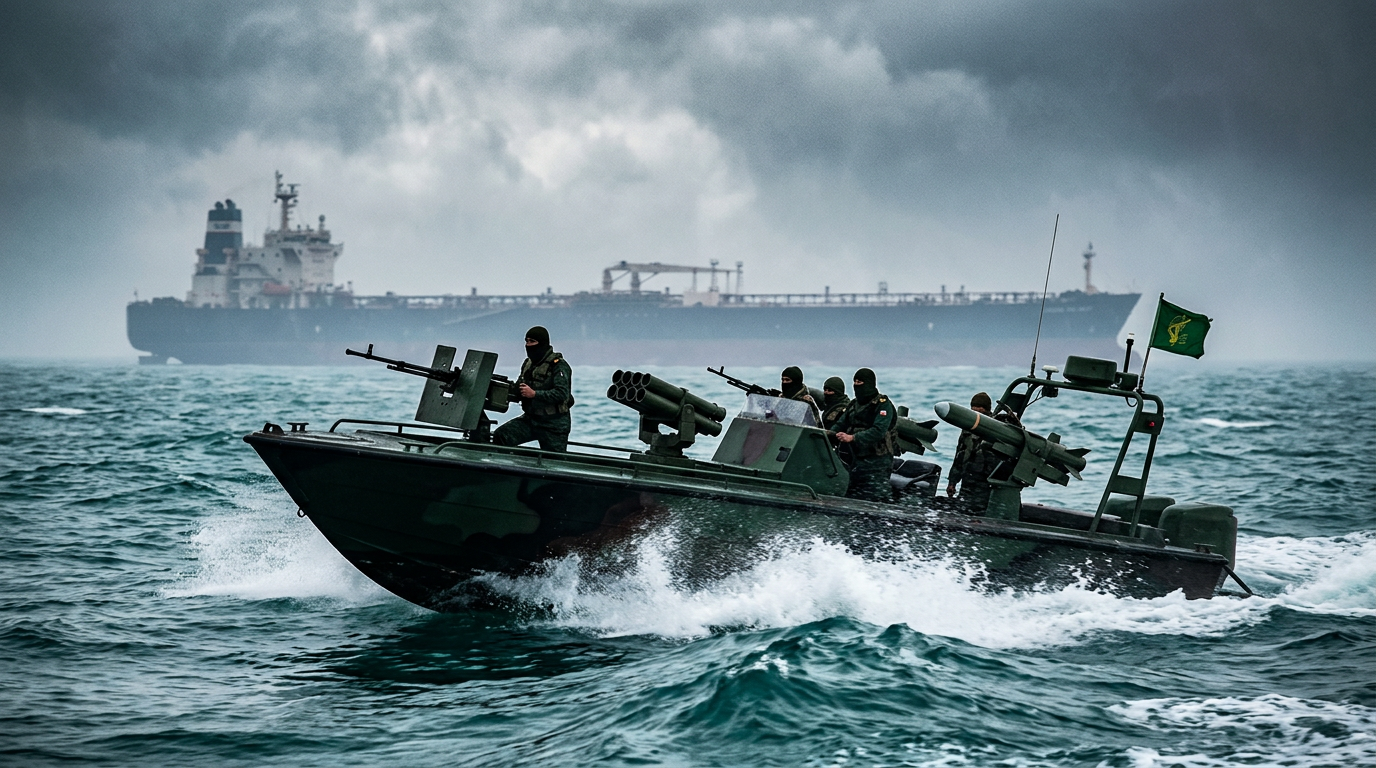
The Islamic Revolutionary Guard Corps (IRGC) of Iran has reportedly warned shipowners against using unauthorized transit routes through the Strait of Hormuz, calling such actions "unacceptable and dangerous" and threatening repercussions for vessels that ignore its directives. The warning, reported by local Iranian media on Thursday, signals Tehran's determination to maintain control over the strategic waterway.
"Navigation outside these routes is highly dangerous and prohibited, and we warn all vessels to strictly avoid any movement outside the designated corridors," the IRGC Navy warned. They said vessels must use only Iran-designated shipping routes and coordinate with Iranian forces through approved communication channels.
The warning followed a Saturday proposal by the Joint Maritime Information Center (JMIC), a naval information group, recommending that ships use the southern transit route through Omani waters with transponders activated, after confirming the corridor was clear of mines. The IRGC's statement underscores Tehran's intent to retain control over the Strait of Hormuz and resist any unauthorized transits. Iran's Parliament Speaker Mohammad Bagher Ghalibaf had previously reaffirmed Tehran's authority over the Strait in accordance with international law and stated that the passage would "never" go back to the pre-war status quo.
Meanwhile, on Tuesday, the International Maritime Organization (IMO) and Oman launched a controlled evacuation plan for ships stranded in the Persian Gulf. Oman will oversee vessel departures through temporary maritime corridors, as normal shipping lanes remain unsafe due to confirmed mines and ongoing security risks. The operation aims to evacuate more than 11,000 stranded seafarers, with the IMO saying safety guarantees and navigation conditions have been verified despite elevated collision risks in the restricted routes.
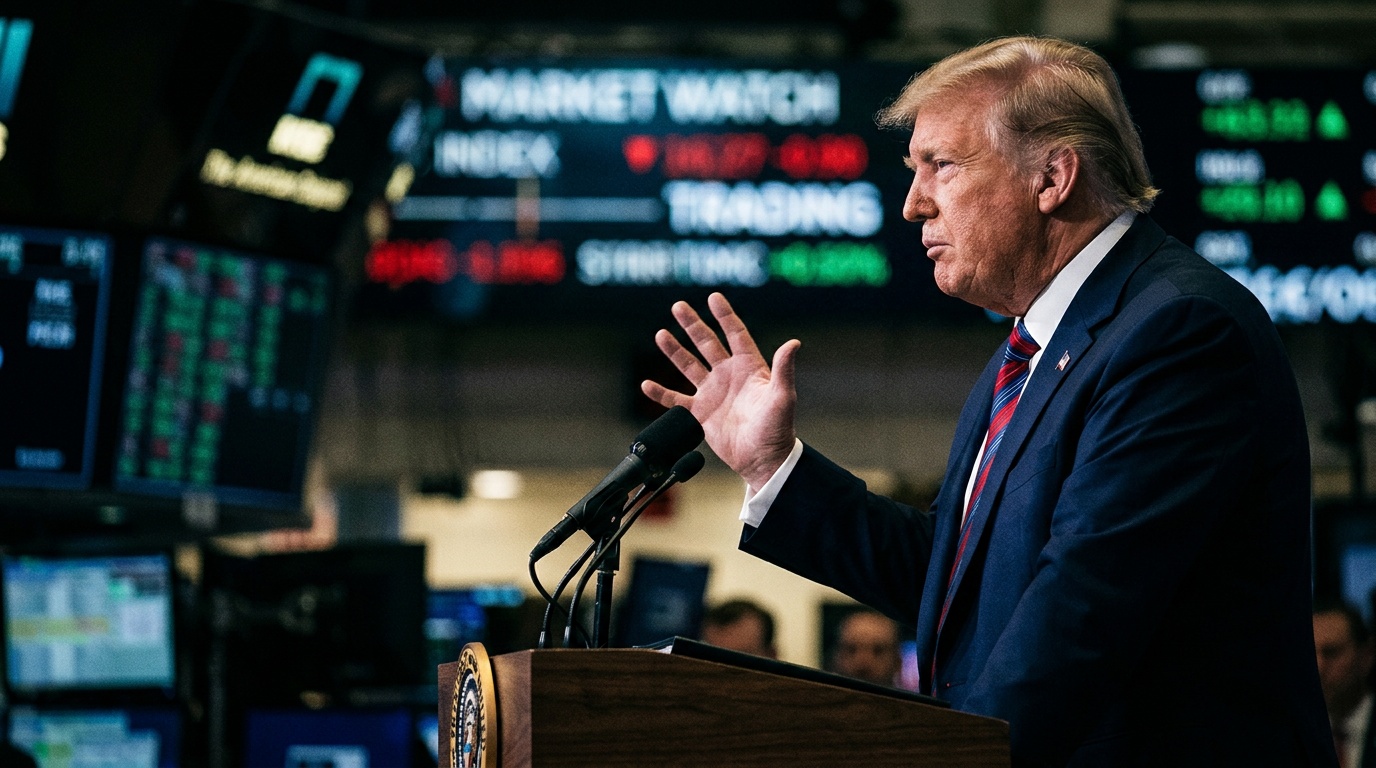
On the economic front, President Donald Trump directed the DOJ to investigate oil companies for not lowering gasoline prices in line with the decline in crude oil costs, accusing them of overcharging Americans at the pump. This came a day after Trump praised "record" 19 million barrels of oil flows through the Strait of Hormuz and falling oil prices.
At the time of writing, Brent crude oil was trading 0.78% lower at $72.49 per barrel, while WTI crude futures were 0.94% lower at $69.69 per barrel. The average gas price in the U.S. stood at $3.918 per gallon, according to AAA.
Apollo Chief Economist Torsten Slok said in a note on Wednesday that the market "narrative" is shifting, with lower oil prices now seen as a potential inflation risk rather than a benefit. He argued that cheaper energy could boost demand in an already strong U.S. economy, citing elevated inflation data, a robust jobs market, and the Federal Reserve's hawkish stance. Slok warned that a reopening of the Strait of Hormuz could further stimulate economic activity, potentially forcing the Fed to raise interest rates sooner.