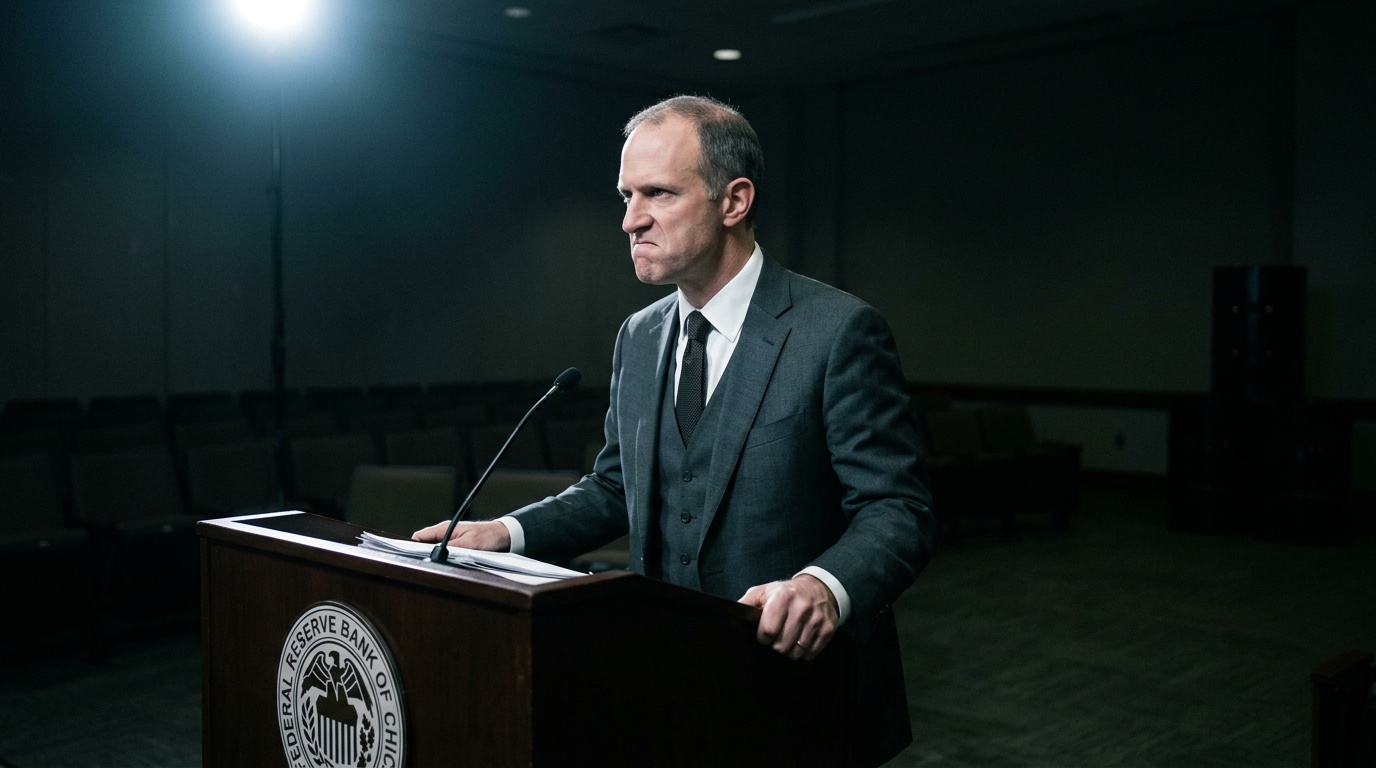
Newly appointed Federal Reserve Chairman Kevin Warsh is about to have his first big moment in the spotlight. On Wednesday, following the Fed's June 16-17 policy meeting, Warsh will hold a press conference to discuss inflation, unemployment, and the economic outlook. It's his first major public remarks since taking over from Jerome Powell a month ago, and investors are eager to hear how he plans to steer the central bank.
Warsh has been pretty vocal about his views on the Fed's balance sheet and has suggested the central bank should focus less on interest rates. This press conference will be his chance to put those ideas into context and outline his approach to the economy.
1. Inflation: The Big Question
Everyone will be watching to see how Warsh evaluates the inflationary effects of tariffs, rising oil prices, and the fact that easing housing costs may no longer be helping to cool inflation. The Fed is widely expected to hold its benchmark interest rate steady in the 3.50%-3.75% range, where it's been since December. That's a shift from earlier expectations for continued rate cuts, as progress toward the Fed's 2% inflation target has stalled.
Christopher Hodge, chief U.S. economist at Natixis CIB Americas, told Reuters, "I don't think he will preclude cuts, but the onus will be on the data to prove that the energy shock is past us."
2. Policy Guidance: Less Is More?
Warsh has criticized some of the Fed's communication tools, including the widely watched "dot plot" of rate projections. Changing it would require broad support from policymakers, but attention will also focus on how much guidance the new chair provides on the economic outlook and future interest-rate moves. Unlike former Chair Powell, who regularly addressed such issues, Warsh may take a different approach.
The Fed is considering removing language from its policy statement that suggests its next move would likely be a rate cut, replacing it with more neutral wording that could leave room for a possible hike. Several policymakers, including Fed Governor Christopher Waller, have shifted in favor of the change after stronger hiring data eased labor market concerns. The move would also align with a broader push to reduce forward guidance.
3. Shrinking the Fed's Balance Sheet
Warsh is expected to propose an alternative approach to cooling the economy: accelerating the Fed's balance sheet reduction, or quantitative tightening. This could help curb inflation without raising interest rates, according to Ben Emons, founder of FedWatch Advisors, as reported by MarketWatch. The committee is likely open to modest spending cuts but is expected to resist the deeper reductions pushed by some conservatives.
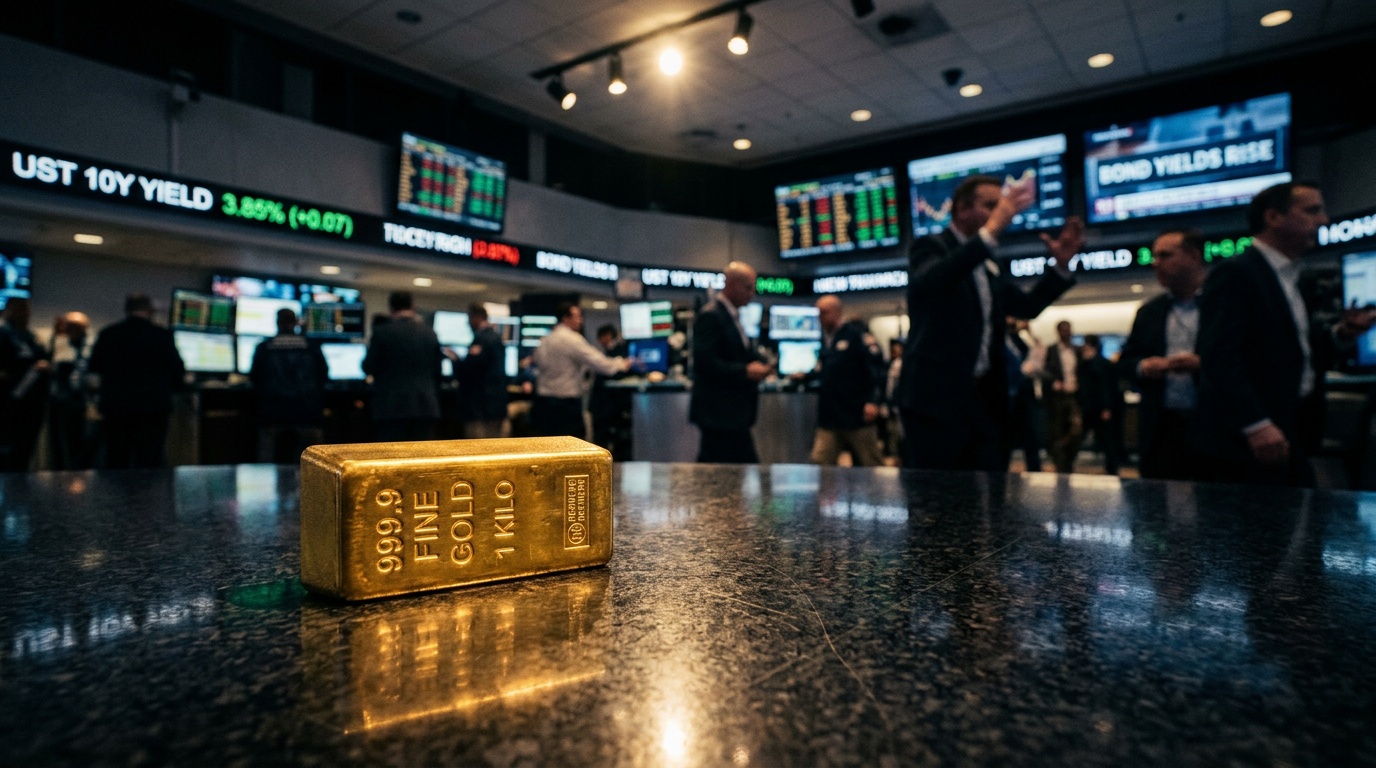
A Fed balance sheet drawdown would reduce Treasury purchases, increasing supply in the market and potentially pushing long-term yields even higher as they already rise. Warsh previously warned that the imbalance took years to build and cannot be quickly corrected.