Late Tuesday, the mood in the markets got a little lighter. U.S. stock futures climbed as investors processed news that had just taken the immediate threat of a major Middle East escalation off the table—at least for now.
It’s a classic case of the market reacting to the removal of a bad thing. The tension between Washington and Tehran is still very much there, simmering. But the fact that it’s not boiling over right this second was enough to give futures a lift.
Futures Rise As Investors Weigh Geopolitical Relief
Let’s look at the numbers. As of 8:33 p.m. EDT, Dow futures were up 233.00 points, or 0.47%, to 49,572.00. S&P 500 futures gained 37.50 points, or 0.53%, to 7,137.50. The tech-heavy Nasdaq 100 futures led the way, advancing 176.25 points, or 0.66%.
Over in the commodity pits, the reaction was what you’d expect when war fears ease a bit: oil went down. WTI crude oil slipped 0.33% to $89.37 per barrel. Brent crude, the international benchmark, edged down 0.20% to $98.28.
The pullback was broader in the energy complex. RBOB gasoline futures declined 0.76% to $3.1853 per gallon. Natural gas futures fell 0.56% to $2.682 per MMBtu. One outlier: ULSD heating oil, which bucked the trend and rose 0.45% to $3.7457 per gallon.
The U.S. dollar index was slightly softer, down 0.08% to 98.325. Meanwhile, Asian markets were trading lower, with Japan's Nikkei 225 slipping 0.07% and South Korea's KOSPI falling 0.13%.
Trump Extends Ceasefire, Keeps Pressure On Iran
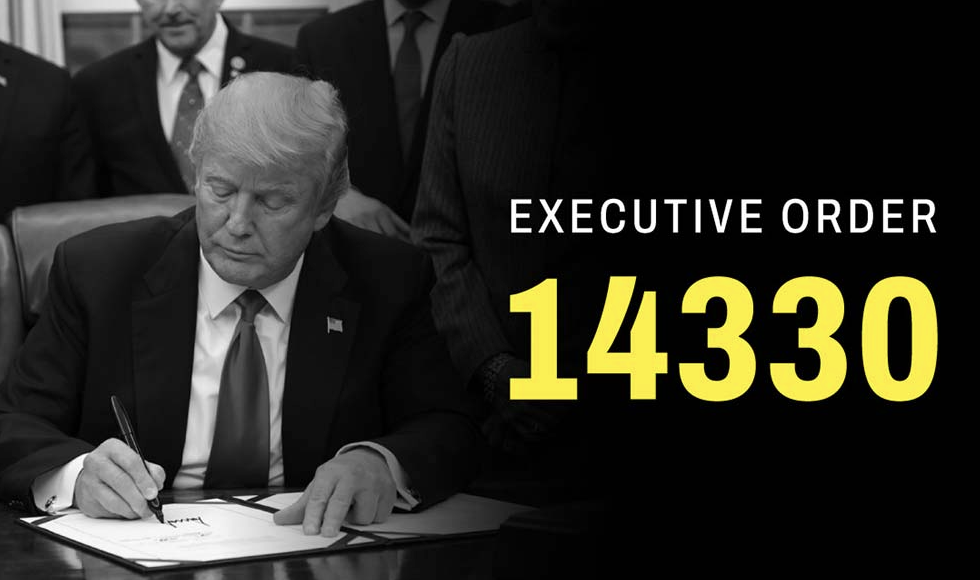
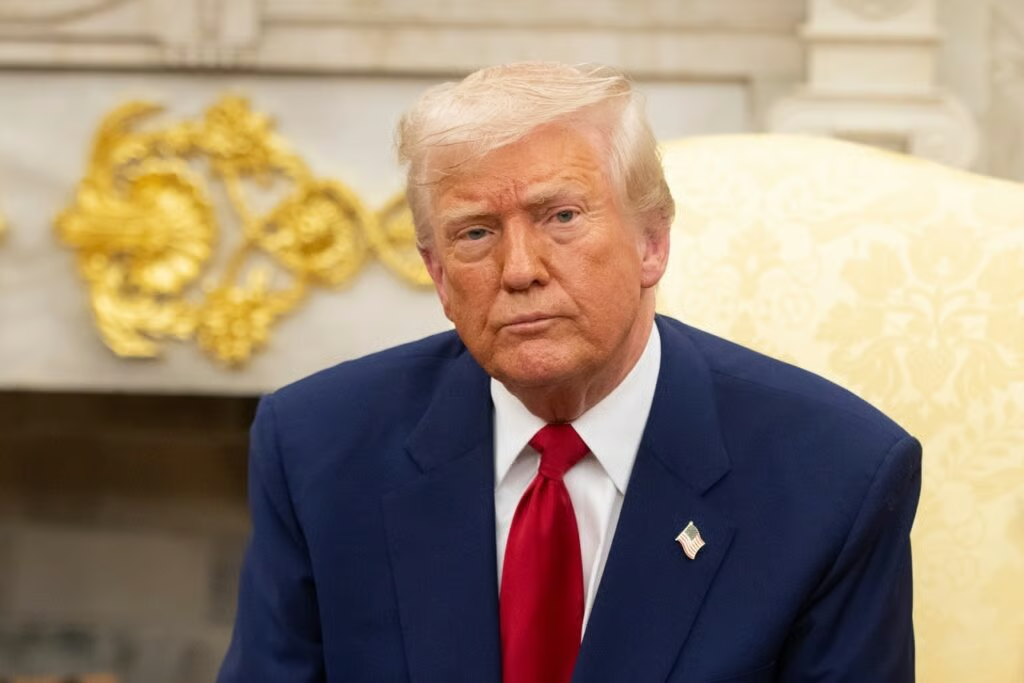
So, what sparked this shift? The clock was ticking down on a temporary ceasefire between the U.S. and Iran. Just hours before it was set to expire, President Donald Trump said he was extending it.
In a post on Truth Social, he said the pause would remain in place "until such time as their leaders… come up with a unified proposal," citing ongoing diplomatic efforts. That’s the carrot.
But there’s a very big stick, too. Trump also confirmed that the U.S. Navy's blockade of Iranian ports would continue. Tehran has called this naval blockade an act of war, so it’s not exactly a backdrop of warm friendship. The message seems to be: we’ll talk, but the pressure stays on.
Tehran Pushes Back, Calls Move A ‘Ploy’
If you were hoping for a warm reception from Iran to this extension, think again. Iranian officials were deeply skeptical.
Mahdi Mohammadi, an adviser to parliament speaker Mohammad Baqer Qalibaf, didn’t mince words. He said the move was "a ploy to buy time for a surprise strike." He also warned that Iran could respond forcefully to the ongoing blockade. So, the threat of retaliation is still very much on the table.
There was no immediate public response from Iran's top leadership, but according to reports, state-linked media reiterated threats to break the U.S. blockade. The diplomatic dance continues, but neither side is putting away their dancing shoes—or their weapons.
Pakistan Steps In As Mediator, Again
Enter the mediator. Pakistan's Prime Minister Shehbaz Sharif said the ceasefire extension followed a request from Islamabad to allow diplomacy more time.
"I sincerely hope that both sides will continue to observe the ceasefire and be able to conclude a comprehensive ‘Peace Deal' during the second round of talks scheduled at Islamabad for a permanent end to the conflict," he posted on X.
That sounds hopeful. But there’s a catch, and it’s a significant one. There was no clarity on when—or even whether—that proposed second round of talks in Islamabad would actually happen. So, we have an extended pause and a hope for more talks, but no concrete plan to get there. For now, the markets will take the pause and run with it, even if the road to peace looks as uncertain as ever.






.jpeg)