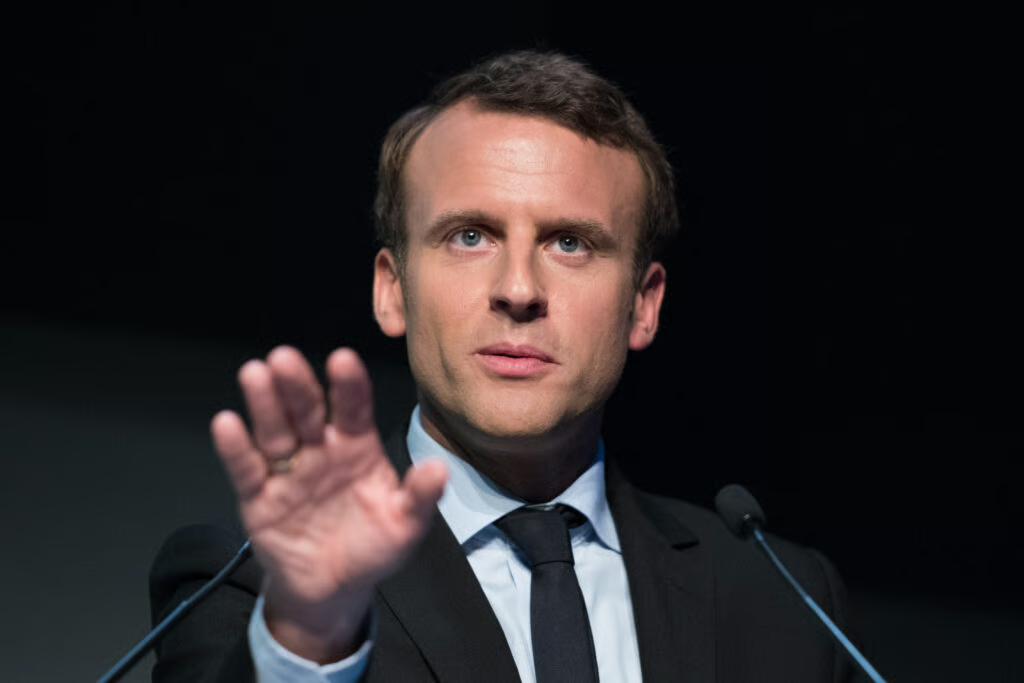
Here's a geopolitical puzzle: what do you do when a war shuts down a shipping lane that carries about a fifth of the world's oil? If you're French President Emmanuel Macron and UK Prime Minister Keir Starmer, you call a meeting. A big one.
On Friday, the two leaders convened an international summit in Paris with around 30 countries to try to figure out how to reopen the Strait of Hormuz. Iran has effectively closed the strait since the U.S.-Israeli war began on February 28, turning off the tap for a massive flow of global crude. The United States, notably, was not at the table. This is an effort by countries not directly fighting to manage the economic fallout.
Macron framed the proposed solution—the Strait of Hormuz Maritime Freedom of Navigation Initiative—as "strictly defensive" and limited to nations not involved in the conflict. The idea is to deploy it when, and if, security conditions allow.
Planning a Mission, If and When
So, what would this mission actually look? France and Britain are leading military planning talks. According to officials speaking to the Associated Press, they're considering options like mine-clearing and intelligence-sharing to help commercial ships pass safely. It's a classic maritime security playbook.
But here's the catch: participation isn't guaranteed. More than 40 countries have been part of related talks recently, but the number willing to send ships and planes will likely be smaller. Who joins will depend on what each country can offer and, crucially, what the security situation looks like after any potential ceasefire. A chair's statement at the end of the Paris meeting is expected to outline what the mission could entail.
Trump's Take: War Could End 'Pretty Soon'
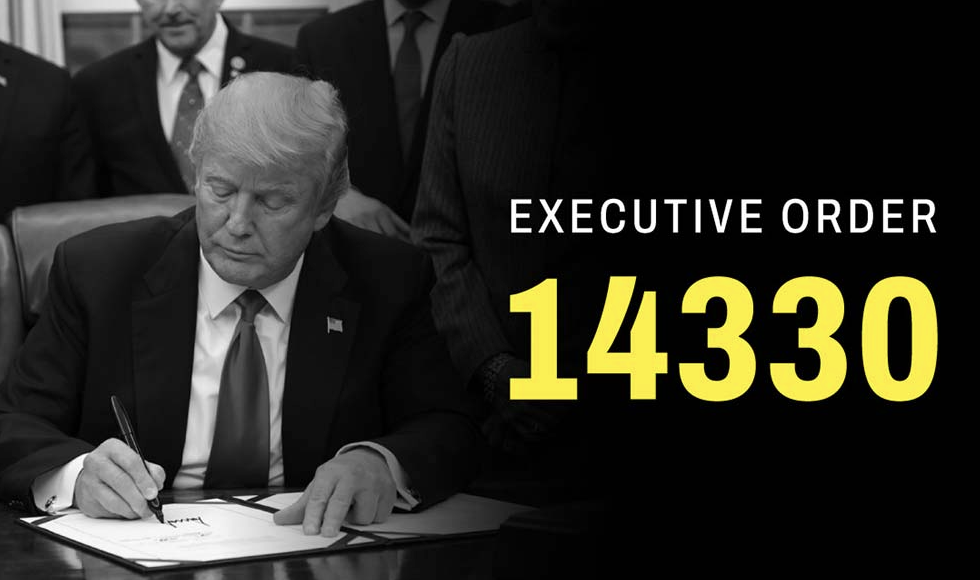
While this diplomatic and military planning unfolds, President Donald Trump has been sending his own signals. He said this week the conflict could end "pretty soon." At the same time, he announced a U.S. blockade of Iranian ports and has been criticizing NATO allies for not doing more to secure the strait themselves. It's a parallel track—suggesting an end might be near while also applying pressure and taking unilateral action.
The whole situation is a high-stakes game of logistics and diplomacy. One group is planning for a secure reopening, another is fighting the war that caused the closure, and the world's oil markets are waiting to see which path clears the water first.