






Klarna Group PLC (KLAR) shares dropped Monday after President Donald Trump spent his weekend thinking about credit card interest rates. His proposed solution? Cap them at 10% for a year, because he believes Americans are being "ripped off" by the 20% to 30% rates that card companies typically charge.
Trump's Credit Card Rate Cap Proposal Sends Klarna Stock Lower
MarketDash
Klarna shares fell Monday after President Trump floated a 10% cap on credit card interest rates, leaving investors uncertain about how buy now, pay later companies might fare under increased regulatory scrutiny.
Get Klarna Group Alerts
Weekly insights + SMS alerts
The Proposal That Moved Markets
Trump floated the idea on Truth Social, suggesting the cap would kick in on Jan. 20. What he didn't mention was how this would actually happen—no word on whether an executive order is coming or if this was just weekend posting. Either way, the market took notice.
The timing is interesting given where American household debt stands. According to the Federal Reserve Bank of New York's Center for Microeconomic Data, total household debt hit $18.59 trillion in the third quarter last year. Credit card balances alone jumped $24 billion from the previous quarter.
The Klarna Angle
Here's where it gets complicated for Klarna. The Swedish company built its business on letting people buy stuff through installment plans, sometimes at 0% interest plus a service charge. That sounds like it would benefit from a world where credit cards are capped at 10%, right?
The logic works like this: if traditional card issuers face a hard 10% APR ceiling, they'll probably tighten their lending standards, especially for subprime and near-prime borrowers. Those shoppers would need somewhere else to go at checkout, and buy now, pay later companies would be waiting with open arms.
But investors aren't celebrating. After jumping in early trading to around $33.10, Klarna shares reversed course and traded lower. The worry seems to be that if regulators are going after credit card rates, buy now, pay later companies might be next in line for scrutiny. The stock closed down 2.83% at $30.61.
The Bigger Picture
Klarna went public last September and has already lost a quarter of its value. The business model is solid from a demand perspective—Adobe Analytics projected total buy now, pay later spending would reach $20.2 billion during the recent holiday season, up 11% year over year. People clearly like the option.
But policy uncertainty is a different beast entirely. Nobody knows if Trump's rate cap will actually happen, how it would be implemented, or whether similar restrictions could eventually apply to installment-based payment providers. That's the kind of ambiguity that makes traders nervous, even when the underlying business trends look healthy.
More News

Oil Breaks $100 on Iran Strike Fears as Energy ETF XLE Hits an All-Time Record

Trump Loosens 50% Canada Tariffs Days Before Midterms as Susan Collins Fights for Her Seat

Tech-to-Defensive Rotation, GM Stock Logs Worst Week Since 2023: This Week on Wall Street

First Russian Diesel Tanker Heads to New York Under Trump-Putin Deal as Fuel Prices Stay High
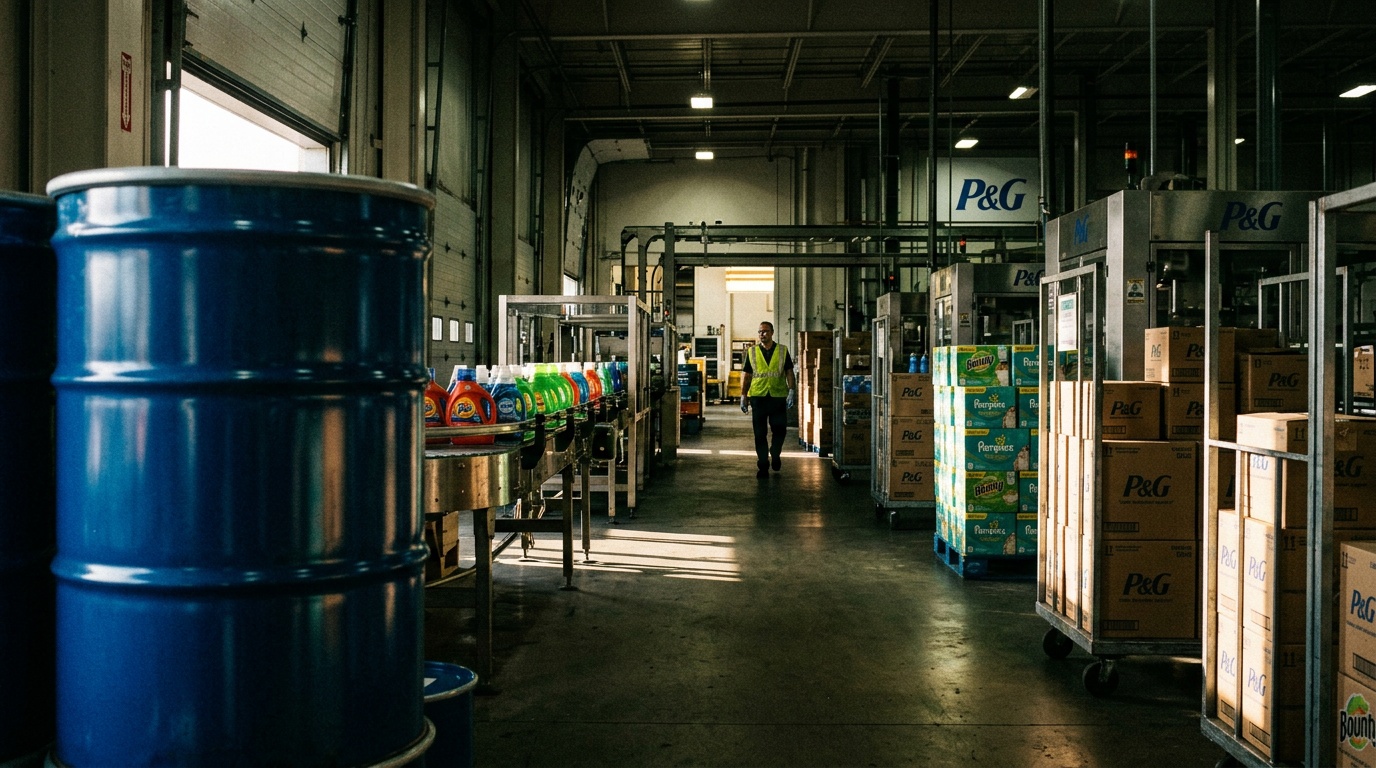
P&G's Turnaround Is Working, but $113 Oil Could Ruin the Party

TSMC Stock Climbs As Moody's Hands Out An Upgrade And The Chipmaker Quietly Rethinks Rare Earths

The AI Boom Isn't 1999, and Big Tech's Cash Returns Could Soften a Crash, This CEO Says

Gas Prices Aren't Coming Down Before the Midterms, Expert Warns: 'It's STILL Not Over'
Get Klarna Group Alerts
Real-time alerts on price moves, news, and trading opportunities.
Join 20,000+ investors. No spam, ever.
Featured Articles
View all newsOil Breaks $100 on Iran Strike Fears as Energy ETF XLE Hits an All-Time Record
By MarketDash
October 23, 2026
Trump Loosens 50% Canada Tariffs Days Before Midterms as Susan Collins Fights for Her Seat
By MarketDash
October 24, 2026
Tech-to-Defensive Rotation, GM Stock Logs Worst Week Since 2023: This Week on Wall Street
By MarketDash
October 23, 2026
First Russian Diesel Tanker Heads to New York Under Trump-Putin Deal as Fuel Prices Stay High
By MarketDash
October 24, 2026
P&G's Turnaround Is Working, but $113 Oil Could Ruin the Party
By MarketDash
October 23, 2026
TSMC Stock Climbs As Moody's Hands Out An Upgrade And The Chipmaker Quietly Rethinks Rare Earths
By MarketDash
October 23, 2026
The AI Boom Isn't 1999, and Big Tech's Cash Returns Could Soften a Crash, This CEO Says
By MarketDash
October 23, 2026
Gas Prices Aren't Coming Down Before the Midterms, Expert Warns: 'It's STILL Not Over'
By MarketDash
October 23, 2026