






Alibaba Group Holding Ltd. (BABA) is having a moment in artificial intelligence, and the numbers show it. The company's Qwen family of AI models just blew past 700 million downloads on Hugging Face, the developer platform that's become the go-to hub for AI model sharing.
Alibaba's AI Models Hit 700 Million Downloads as Developer Interest Explodes
MarketDash
Alibaba's Qwen AI models have crossed 700 million downloads on Hugging Face, outpacing rivals from Meta and OpenAI as the company builds momentum in cloud computing and artificial intelligence.
Get Alibaba Group Holding Alerts
Weekly insights + SMS alerts
Qwen's Dominance Among Developers
Here's where it gets interesting: research published Friday by consultancy AIBase, analyzing Hugging Face data, found that Qwen's downloads in December alone topped the combined total of the next eight most popular models on the platform. That's not just winning—that's lapping the competition.
Who's getting beaten? Big names like Meta Platforms Inc. (META), OpenAI, and Chinese competitors including Zhipu AI, according to a report from SCMP on Monday.
"Tens of thousands of real-world applications around the globe have been built based on Qwen, marking a historic peak for [Chinese] open-source large models within the international developer community," the AIBase report noted.
Alibaba Cloud's strategy here makes sense: they've open-sourced models across a wide spectrum of sizes, from lean versions with around 600 million parameters up to massive models with tens of billions of parameters. This lets developers pick whatever fits their needs and budget, dramatically expanding Qwen's potential use cases.
From Developer Tools to Consumer Products
But Alibaba isn't stopping at the developer community. The company and its affiliates have woven Qwen into consumer-facing products, including the Qwen AI assistant, the Quark AI assistant app, and Ant Group's health app A-Fu.
To push this consumer strategy harder, Alibaba recently created the Qwen Consumer Business Group, led by Vice President Wu Jia. That's a clear signal the company sees AI assistants as more than just a cloud computing side project.
The market is noticing. Alibaba stock has surged over 87% in the past year, powered largely by momentum in its AI and cloud computing operations.
Chip Access Could Accelerate Growth
Adding fuel to investor optimism, reports emerged suggesting China may soon greenlight limited imports of Nvidia Corp.'s (NVDA) H200 AI chips. Alibaba shares jumped more than 5% on Thursday before pulling back slightly Friday morning, as traders digested signals that Beijing could approve select imports as soon as this quarter.
Access to cutting-edge chips would be a meaningful catalyst for Chinese AI companies building and training advanced models.
BABA Price Action: Alibaba shares were up 4.41% at $157.61 during premarket trading on Monday, according to market data.
More News
Oil Breaks $100 on Iran Strike Fears as Energy ETF XLE Hits an All-Time Record
Trump Loosens 50% Canada Tariffs Days Before Midterms as Susan Collins Fights for Her Seat
Tech-to-Defensive Rotation, GM Stock Logs Worst Week Since 2023: This Week on Wall Street

First Russian Diesel Tanker Heads to New York Under Trump-Putin Deal as Fuel Prices Stay High
P&G's Turnaround Is Working, but $113 Oil Could Ruin the Party
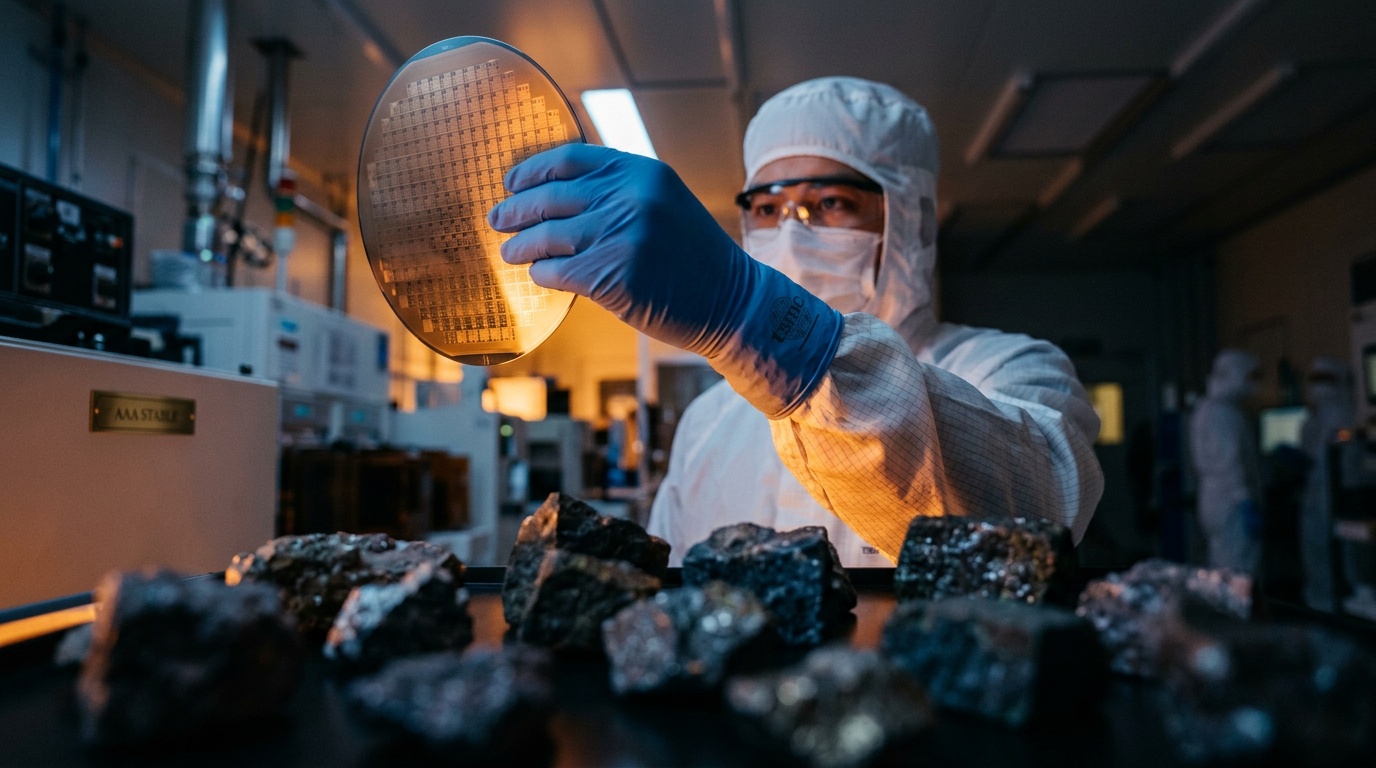
TSMC Stock Climbs As Moody's Hands Out An Upgrade And The Chipmaker Quietly Rethinks Rare Earths

The AI Boom Isn't 1999, and Big Tech's Cash Returns Could Soften a Crash, This CEO Says
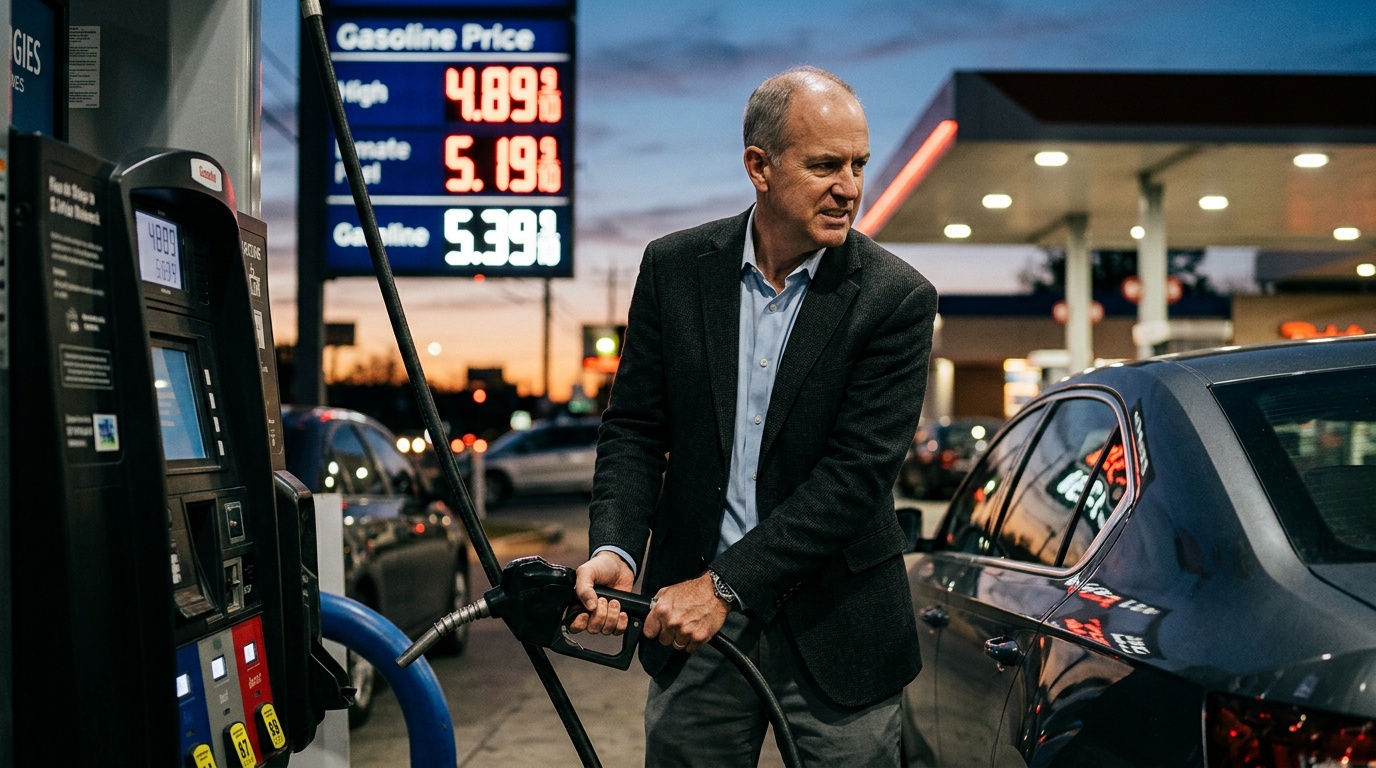
Gas Prices Aren't Coming Down Before the Midterms, Expert Warns: 'It's STILL Not Over'
Get Alibaba Group Holding Alerts
Real-time alerts on price moves, news, and trading opportunities.
Join 20,000+ investors. No spam, ever.
Featured Articles
View all newsOil Breaks $100 on Iran Strike Fears as Energy ETF XLE Hits an All-Time Record
By MarketDash
October 23, 2026
Trump Loosens 50% Canada Tariffs Days Before Midterms as Susan Collins Fights for Her Seat
By MarketDash
October 24, 2026
Tech-to-Defensive Rotation, GM Stock Logs Worst Week Since 2023: This Week on Wall Street
By MarketDash
October 23, 2026
First Russian Diesel Tanker Heads to New York Under Trump-Putin Deal as Fuel Prices Stay High
By MarketDash
October 24, 2026
P&G's Turnaround Is Working, but $113 Oil Could Ruin the Party
By MarketDash
October 23, 2026
TSMC Stock Climbs As Moody's Hands Out An Upgrade And The Chipmaker Quietly Rethinks Rare Earths
By MarketDash
October 23, 2026
The AI Boom Isn't 1999, and Big Tech's Cash Returns Could Soften a Crash, This CEO Says
By MarketDash
October 23, 2026
Gas Prices Aren't Coming Down Before the Midterms, Expert Warns: 'It's STILL Not Over'
By MarketDash
October 23, 2026