






Charlie Munger Explained Why Berkshire's Tiny Headquarters Was Actually Its Secret Weapon
Get Amazon.com Alerts
Weekly insights + SMS alerts
The Power of What's Missing
Charlie Munger once described Berkshire Hathaway Inc. (BRK.B)'s biggest structural advantage, and it wasn't a proprietary technology or exclusive market position. It was what the company deliberately chose not to have: a sprawling corporate headquarters stuffed with layers of managers and administrative staff.
The late vice chairman argued at a 2018 Daily Journal Corp. shareholder meeting that Berkshire's tiny Omaha home office allowed the conglomerate to outmaneuver rivals weighed down by bloated central bureaucracies. His answer revealed a broader philosophy about how successful institutions inevitably breed waste over time.
"One of the reasons that Berkshire has been so successful is that there's practically nobody at headquarters. We have almost no corporate bureaucracy. We have a few internal auditors who go out from there and check this or that. But basically we have no bureaucracy," Munger explained.
He continued: "Having no bureaucracy is a huge advantage if the people who are running are sensible people. Think of how poorly all of us have behaved in big bureaucracy, even though we have a lot of talent, because we couldn't change anything... there's a lot of horror and waste in bureaucracy and it's inevitable. It's as natural as old age and death."
Trust Over Layers
Munger later told Fortune that eliminating bureaucracy creates pure efficiency gains. "I think bureaucracy is like a cancer. So we're very anti-bureaucracy," he said.
Berkshire's operating model combines extreme decentralization across its portfolio companies with tightly centralized capital allocation decisions made in Omaha. The whole system runs without the typical corporate machinery, relying instead on deep trust in subsidiary managers and keeping the head office staff remarkably lean.
A Philosophy Catching On
Munger's disdain for organizational red tape reflects a growing backlash in corporate America. Personal finance personality Dave Ramsey has publicly said he built his company to avoid what he calls the worst aspects of corporate culture, telling his "EntreLeadership" audience that he hates anything that feels like traditional corporate America.
Amazon.com Inc. (AMZN) CEO Andy Jassy has taken a similar stance, promising to cut managerial layers throughout the organization. He's told employees that his senior leadership team actively hates bureaucracy and has backed initiatives like an internal "bureaucracy mailbox" where workers can flag wasteful rules and processes they encounter.
The message from these leaders is clear: sometimes the best way to stay competitive is to ruthlessly eliminate the organizational layers that naturally accumulate as companies grow.
More News

Trump Warns Iran of Economic Collapse or Worse, Tehran Threatens US Bases as Brent Sits at $102

Trump Unveils 'AI Force' and Plans New 'AI Czar' as Tech Leaders Urge Caution
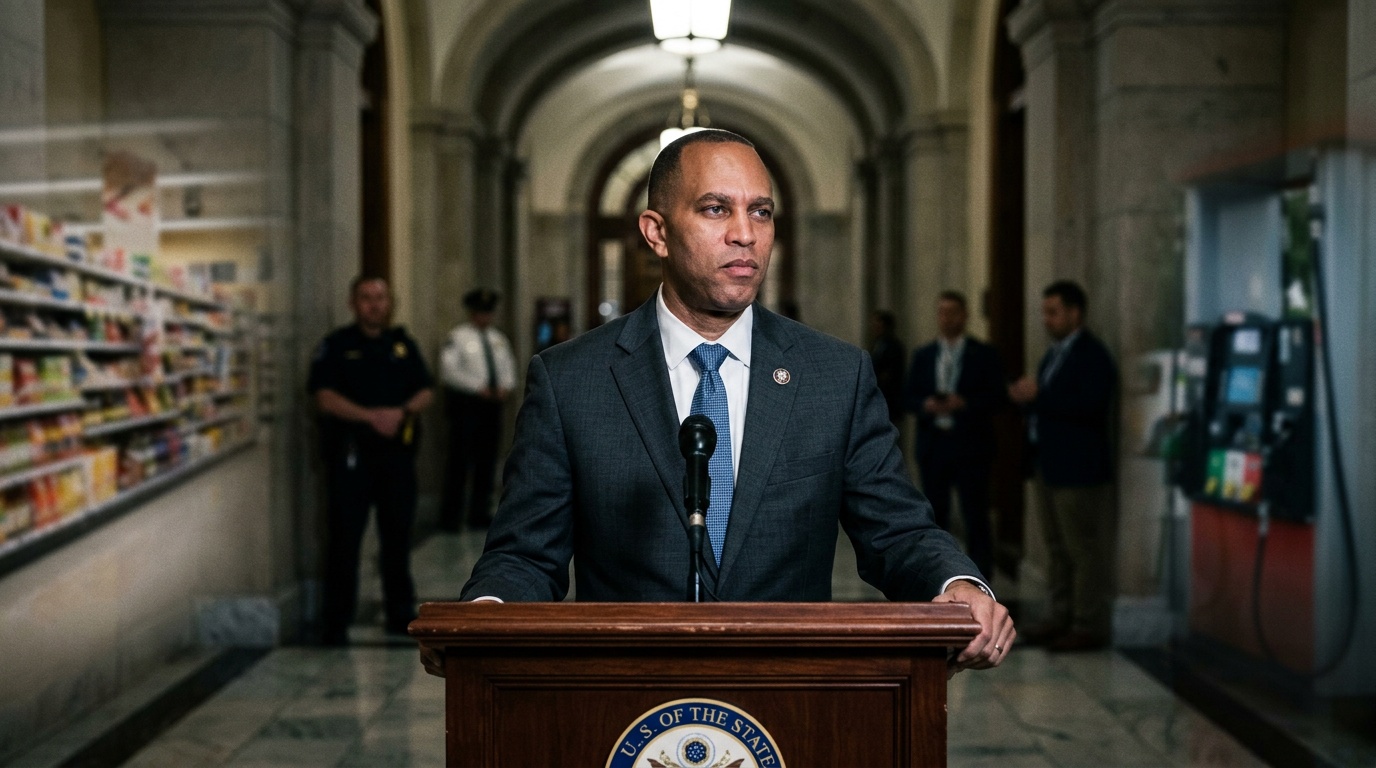
Hakeem Jeffries Torches Trump and Republicans Over Rising Gas, Grocery, Housing and Health Costs: 'America Is Way Too Expensive'

US-Greenland Deal Opens a Rare Earth Frontier, But the Arctic Doesn't Do Easy
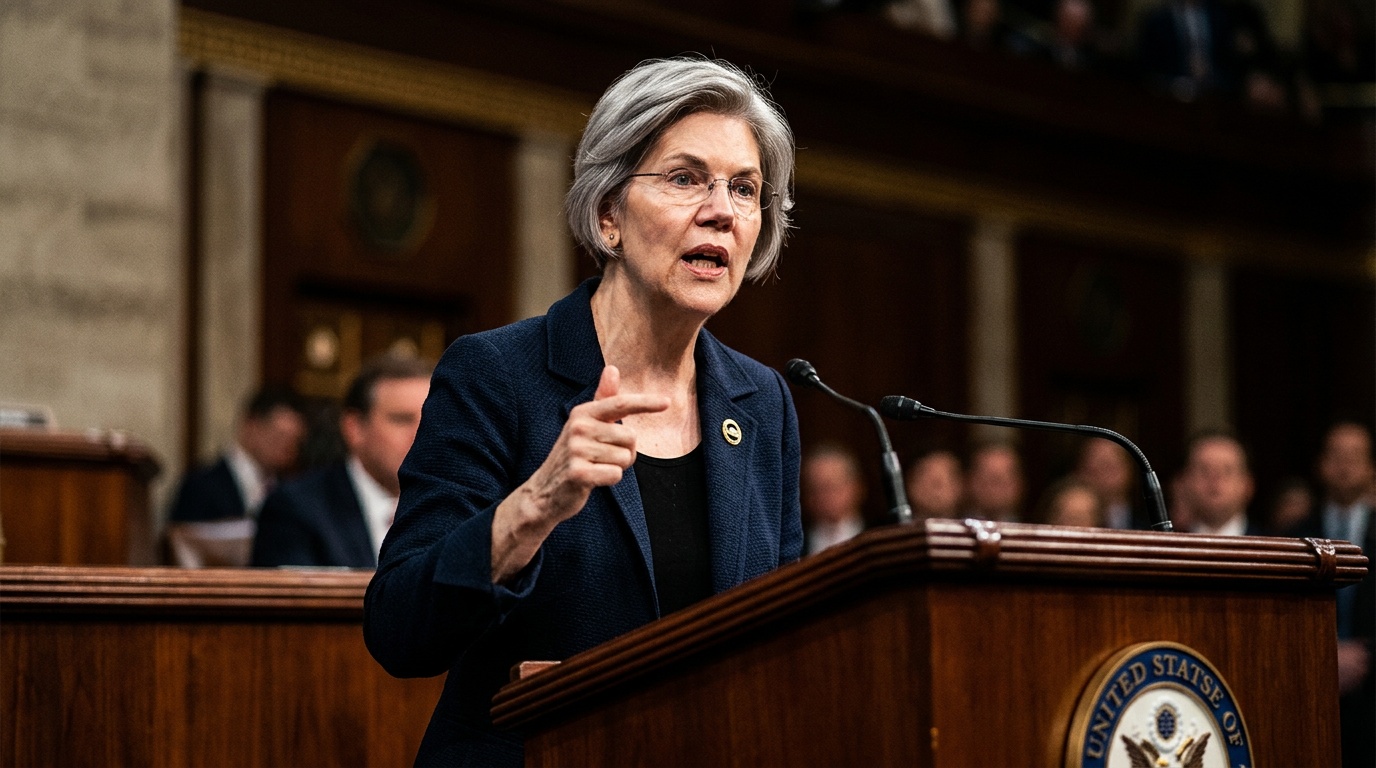
Elizabeth Warren Tells Congress to Stop Talking About AI and Actually Regulate It
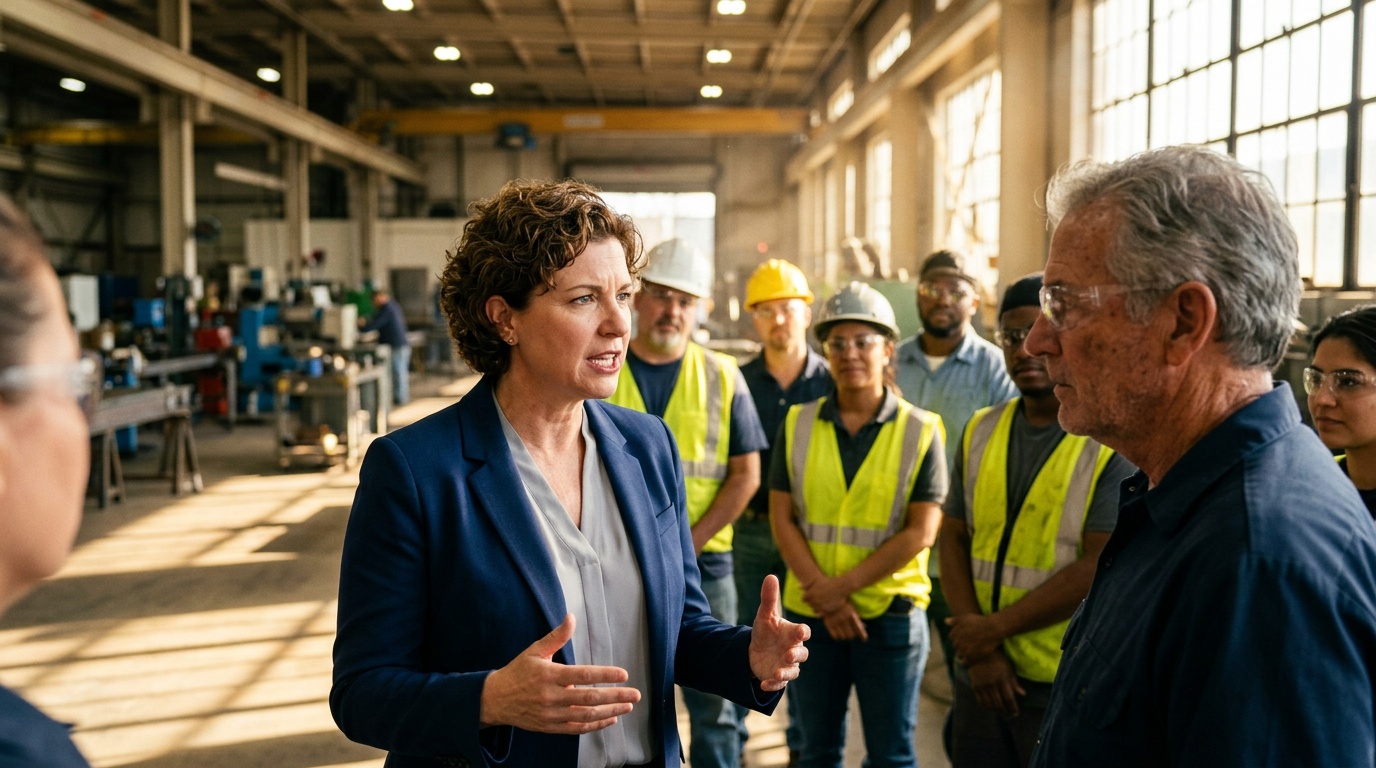
Elissa Slotkin Calls for 'Legal, Vetted Immigrants' to Help US Economy: 'We're Getting Older'

Sanders, Pelosi and Newsom Blast Trump's White House Press Ban: 'We Will Not Accept Authoritarianism'

Macron Meets Carney Amid Trump Map Row, Sanders Slams Trump's Ban On Reporters and More: This Week in Politics
Get Amazon.com Alerts
Real-time alerts on price moves, news, and trading opportunities.
Join 20,000+ investors. No spam, ever.
Featured Articles
View all newsTrump Warns Iran of Economic Collapse or Worse, Tehran Threatens US Bases as Brent Sits at $102

He Found Rolls-Royce Below $2. Now He’s Found His Second Unicorn. (Ad)
Trump Unveils 'AI Force' and Plans New 'AI Czar' as Tech Leaders Urge Caution
Hakeem Jeffries Torches Trump and Republicans Over Rising Gas, Grocery, Housing and Health Costs: 'America Is Way Too Expensive'
US-Greenland Deal Opens a Rare Earth Frontier, But the Arctic Doesn't Do Easy
Elizabeth Warren Tells Congress to Stop Talking About AI and Actually Regulate It
Elissa Slotkin Calls for 'Legal, Vetted Immigrants' to Help US Economy: 'We're Getting Older'