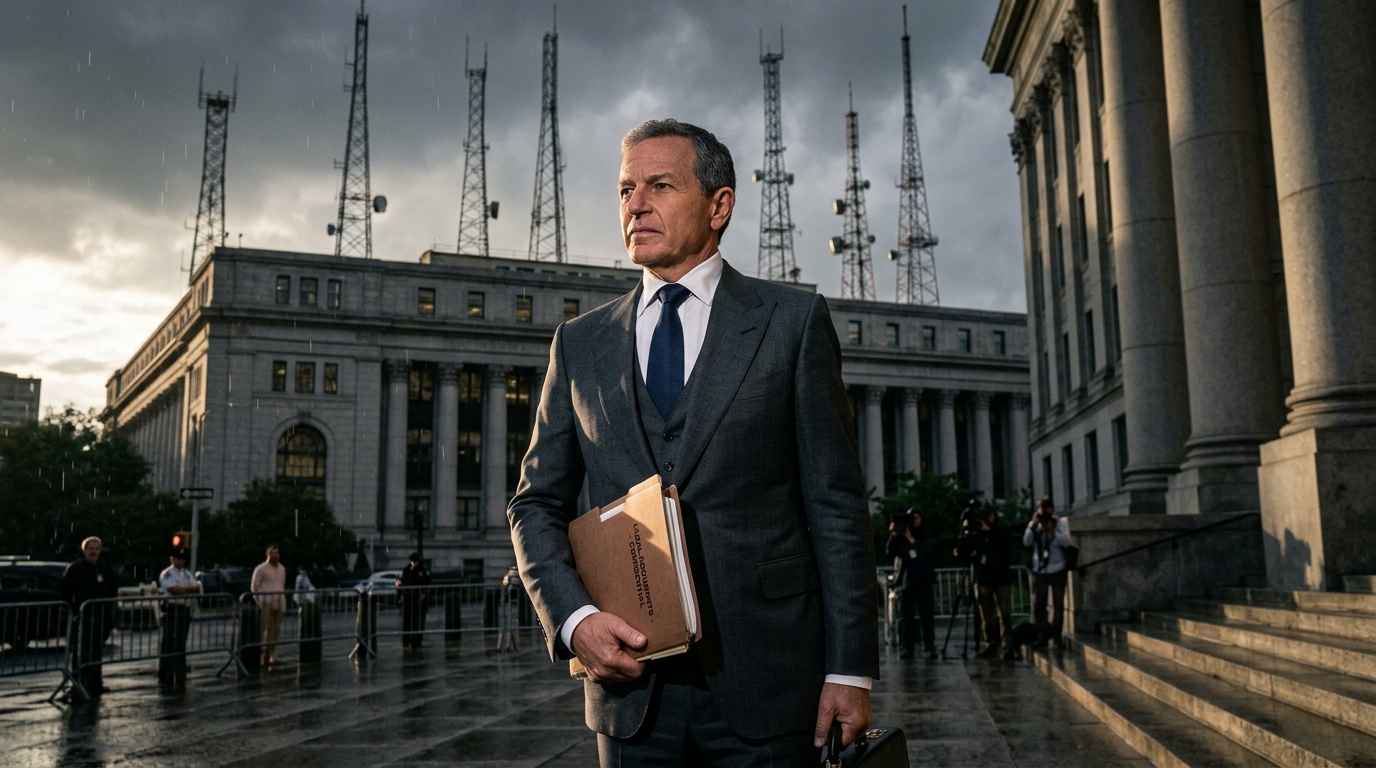
Sen. Elizabeth Warren (D-Mass.) has had enough of the talking phase. On Saturday, she took to X with a blunt message for her colleagues: stop studying artificial intelligence and start regulating it.
"Congress cannot meet the pressing threat of AI by just forming another committee or continuing to have drawn-out discussions about it," she said. Then came the kicker: "Let's actually pass some meaningful regulations on AI to protect people."
It's a familiar Warren move. She's been arguing for years that the tech industry's favorite regulatory strategy is delay, and that every new committee is basically a polite way of doing nothing. Her post suggests she thinks AI has graduated from "interesting policy debate" to "thing that needs rules now."
Lawmakers Debate AI Regulation
Warren isn't shouting into the void. Last week, Rep. Ro Khanna (D-Calif.) urged Congress to accelerate AI regulation, calling for tougher penalties, a federal AI agency, mandatory insurance and strict liability for harmful AI models. That's a fairly aggressive package, the kind that treats AI developers less like untouchable innovators and more like, say, companies that build bridges and have to answer for it when one falls down.
House Speaker Mike Johnson struck a different tone, calling for AI guardrails and safety measures while arguing that the U.S. must preserve its technological advantage over China. That's the classic two-step: yes to safety, but not so much safety that we lose the race.
Sen. Chris Murphy (D-Conn.) warned that rapidly advancing AI could create economic, national-security and societal risks. His argument: AI companies can't be relied upon to protect the public, and developers need uniform government rules to follow. In other words, the current setup asks companies to grade their own homework, and Murphy doesn't think that's working.
Trump Plans to Appoint New AI Adviser
Meanwhile, President Donald Trump said Saturday that he planned to appoint a new AI adviser, or "AI czar," and establish an "AI force," without providing details on their structure or timing.
Trump said his administration would support AI industry growth while using existing criminal and civil justice systems to address wrongdoing. That's a notably lighter-touch approach than what Warren, Khanna and Murphy are describing, though it does lean on the legal system already on the books rather than building something new.
The appointment would mark his second AI czar, following venture capitalist David Sacks' departure from the role. White House senior AI policy adviser Sriram Krishnan also stepped down in June to launch an outside institution focused on AI policy.
So where does that leave things? Congress is debating, the White House is staffing up, and the technology keeps moving. Warren's point is that the debate itself has become the policy, and she'd like that to change before AI decides the question for everyone.