






Here's the thing about generative AI in 2025: everyone spent money on it, talked about it endlessly, and built it into their investor decks. What they didn't do, at least not as much as they hoped, was make money from it. JPMorgan's 2026 outlook, drawing on fresh CEO survey data, paints a picture of an industry waking up from the hype cycle and asking an uncomfortable question: where are the profits?
The AI Honeymoon Is Over: JPMorgan Says Show Us The Money
MarketDash
CEOs went all-in on generative AI in 2025, but the expected revenue and profit gains didn't materialize. Now investors want proof that the hype translates into actual returns, and 2026 is shaping up as the year where AI companies either deliver results or lose their premium.
Get Market Alerts
Weekly insights + SMS alerts
The Expectation Gap Is Real
PwC surveyed more than 4,700 CEOs across 109 countries, and the results tell a consistent story. Over 40% started 2025 convinced that GenAI would drive revenue growth. Nearly half expected profitability gains. By year-end, only about a third reported seeing those outcomes actually materialize. Efficiency improvements showed up more reliably, but even those fell short of what executives had penciled in.
JPMorgan isn't calling AI spending a mistake. The technology is real, and adoption happened fast. But monetization? That's been sluggish. Turning AI capabilities into actual top-line growth and margin expansion turned out to be trickier than the pitch decks suggested.
ROI Is The New Buzzword
That gap is changing how companies approach AI investments. Boards and CFOs are now pushing back, demanding clearer financial outcomes before approving new projects. The era of experimental AI budgets is giving way to ROI discipline. Growth still matters, but only if it comes with margin improvement attached.
Valuation frameworks are tightening too. Metrics like the Rule of 40, and JPMorgan's even stricter Rule of X, are back in fashion as gatekeepers rather than nice-to-haves. The market is sorting winners from storytellers.
What This Means For 2026
The takeaway for this year is simple: AI narratives won't automatically command premium valuations anymore. Investors are rotating toward companies that can demonstrate both innovation and durable earnings power. Belief alone won't cut it. The numbers need to back up the story, or the market will move on.
In other words, 2026 is the year AI companies have to prove it wasn't all just expensive theater.
More News

Trump Warns Iran of Economic Collapse or Worse, Tehran Threatens US Bases as Brent Sits at $102

Trump Unveils 'AI Force' and Plans New 'AI Czar' as Tech Leaders Urge Caution
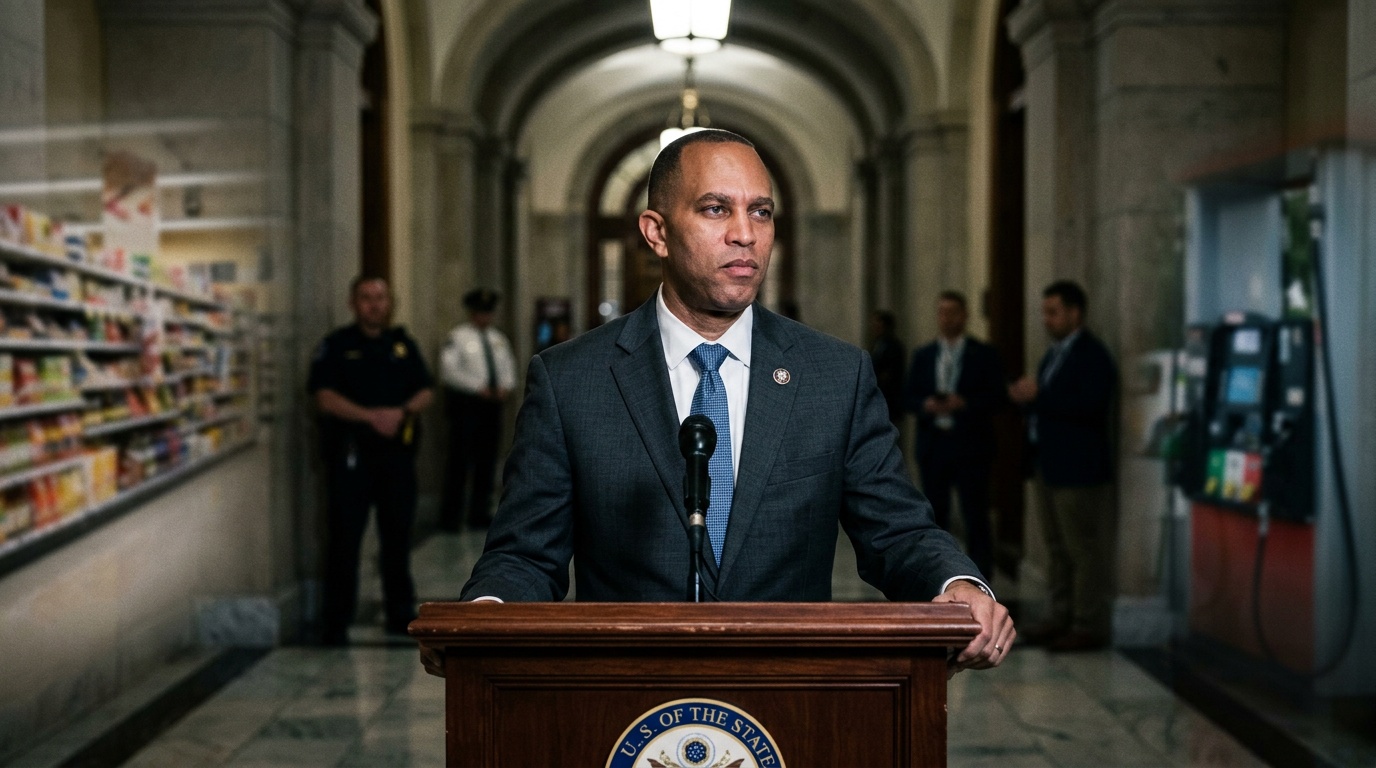
Hakeem Jeffries Torches Trump and Republicans Over Rising Gas, Grocery, Housing and Health Costs: 'America Is Way Too Expensive'

US-Greenland Deal Opens a Rare Earth Frontier, But the Arctic Doesn't Do Easy
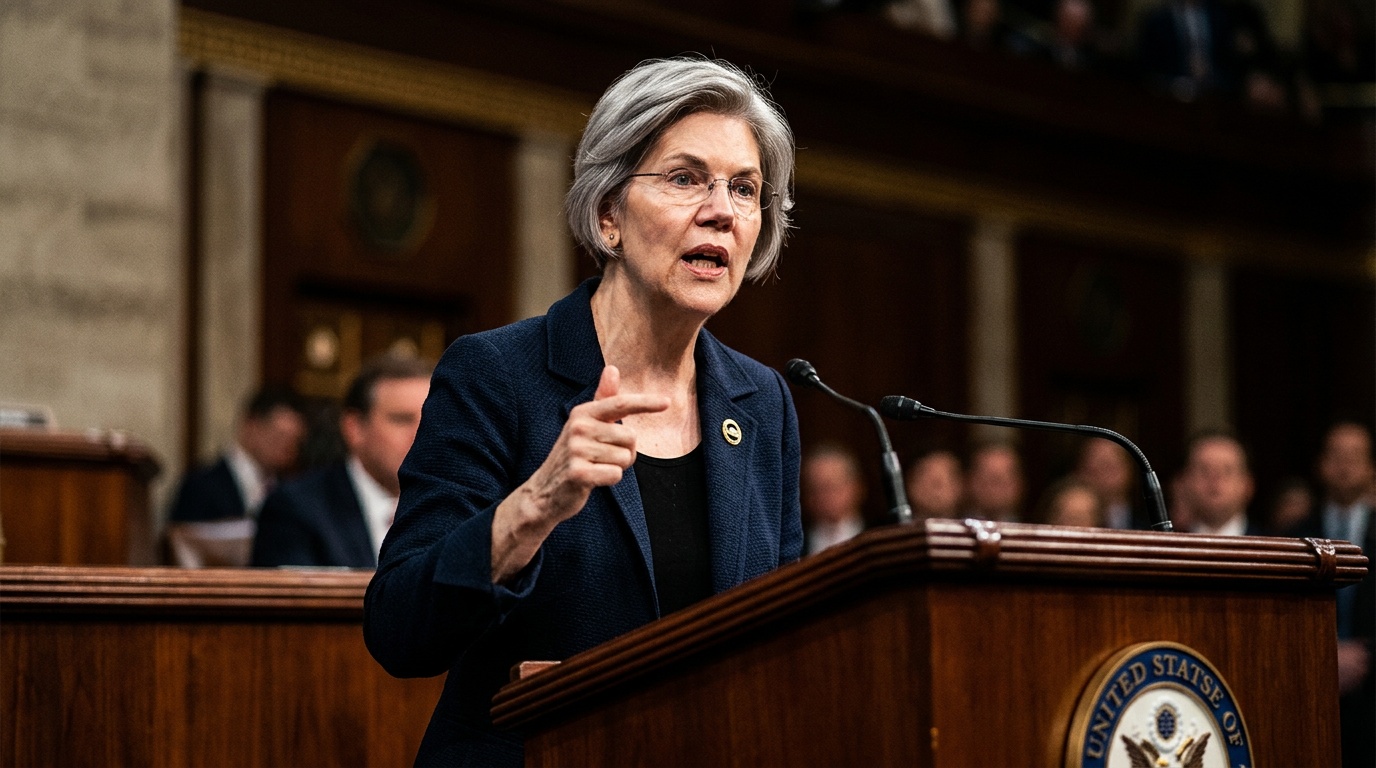
Elizabeth Warren Tells Congress to Stop Talking About AI and Actually Regulate It
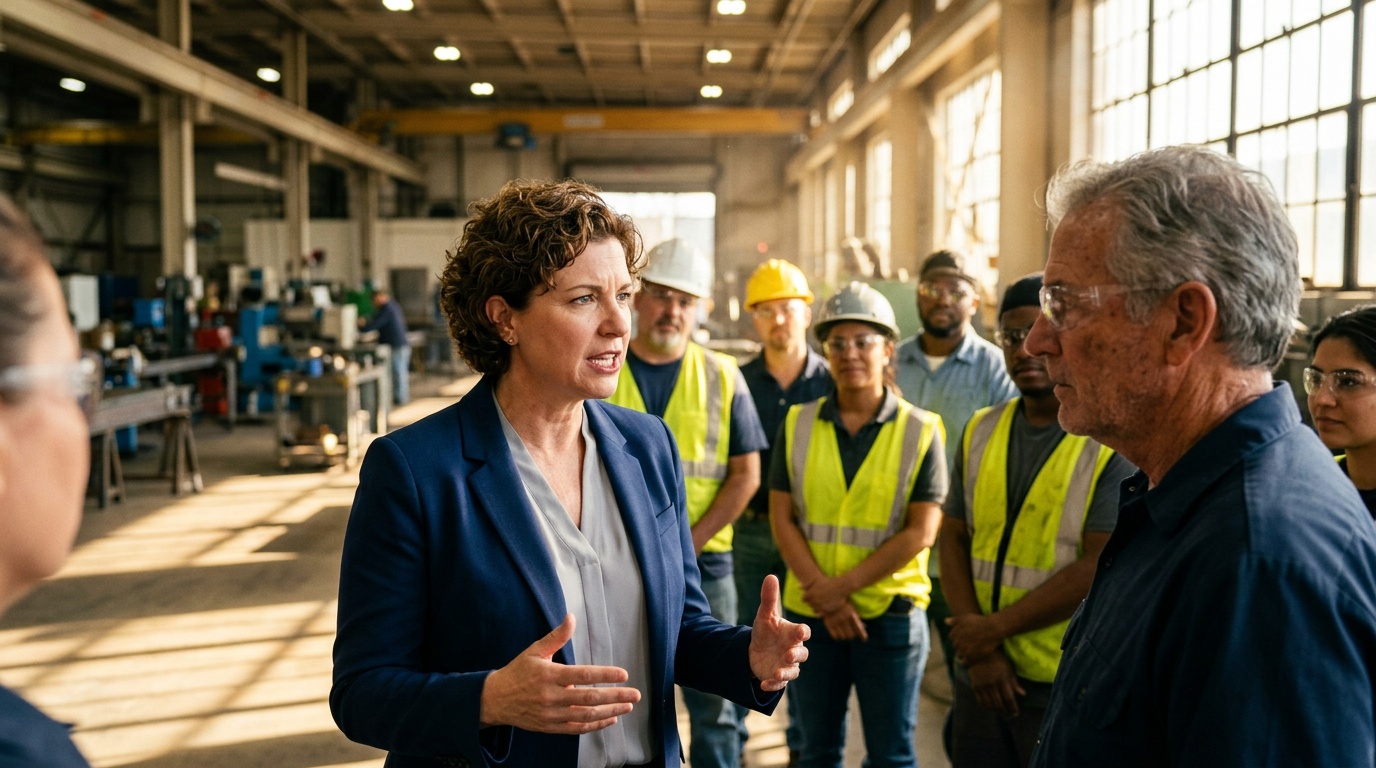
Elissa Slotkin Calls for 'Legal, Vetted Immigrants' to Help US Economy: 'We're Getting Older'

Sanders, Pelosi and Newsom Blast Trump's White House Press Ban: 'We Will Not Accept Authoritarianism'

Macron Meets Carney Amid Trump Map Row, Sanders Slams Trump's Ban On Reporters and More: This Week in Politics
Get Market News Alerts
Real-time alerts on price moves, news, and trading opportunities.
Join 20,000+ investors. No spam, ever.
Featured Articles
View all newsTrump Warns Iran of Economic Collapse or Worse, Tehran Threatens US Bases as Brent Sits at $102
By MarketDash
September 21, 2026

He Found Rolls-Royce Below $2. Now He’s Found His Second Unicorn. (Ad)
By The Oxford Club
Trump Unveils 'AI Force' and Plans New 'AI Czar' as Tech Leaders Urge Caution
By MarketDash
September 20, 2026
Hakeem Jeffries Torches Trump and Republicans Over Rising Gas, Grocery, Housing and Health Costs: 'America Is Way Too Expensive'
By MarketDash
September 20, 2026
US-Greenland Deal Opens a Rare Earth Frontier, But the Arctic Doesn't Do Easy
By MarketDash
September 20, 2026
Elizabeth Warren Tells Congress to Stop Talking About AI and Actually Regulate It
By MarketDash
September 20, 2026
Elissa Slotkin Calls for 'Legal, Vetted Immigrants' to Help US Economy: 'We're Getting Older'
By MarketDash
September 20, 2026
Sanders, Pelosi and Newsom Blast Trump's White House Press Ban: 'We Will Not Accept Authoritarianism'
By MarketDash
September 20, 2026