






Tether (USDT) just received the lowest possible stability score from S&P Global—and in the same breath, it's buying more gold than sovereign nations. It's the kind of contradiction that only makes sense in crypto: the market's foundational stablecoin gets labeled structurally fragile the very week it starts hoarding bullion like it's preparing for a monetary regime change.
Tether Gets Its Worst Grade from S&P While Quietly Stockpiling Gold Like a Central Bank
MarketDash
S&P Global just handed Tether the lowest stability rating possible, citing risky reserves and poor disclosure. But here's the twist: the stablecoin giant is buying more gold than most countries, amassing 116 tonnes and positioning itself for a completely different kind of financial future.
Get Market Alerts
Weekly insights + SMS alerts
S&P Rings the Alarm Bell
In its November 26 assessment, S&P downgraded USDT from 4 (constrained) to 5 (weak), warning that Tether's reserve mix has shifted meaningfully toward riskier assets including Bitcoin, gold, secured loans and corporate credit. The kicker? Bitcoin now represents about 5.6% of USDT in circulation—more than the 3.9% overcollateralization cushion. Translation: a sharp Bitcoin drawdown could leave USDT under-backed.
S&P also flagged additional structural concerns: limited disclosure, no asset segregation to protect holders if things go sideways, minimal regulatory oversight and restrictions on primary redemptions. In traditional finance terms, that's a five-alarm fire. In crypto? It's just another Tuesday.
The Plot Twist: Tether Is Buying Gold Like a Nation-State
While S&P questions USDT's stability, reporting from Financial Times shows Tether purchased 26 tonnes of gold last quarter—more than Kazakhstan (18t), Brazil (15t), Turkey (7t) and Iraq (6t) combined. With an estimated 116 tonnes now in its vaults, Tether has become the world's largest independent holder of physical gold, matching the national reserves of South Korea and Hungary.
For investors tracking de-dollarization trends and the shift toward commodity-backed finance, this doesn't look random. Tether appears to be hedging for a new monetary era where Bitcoin and gold sit alongside reserve currencies—not beneath them.
What It Means for Investors
Two completely opposing narratives are colliding here.
One says Tether is opaque, risky and vulnerable to a confidence crisis.
The other says Tether is positioning early for a regime shift that most investors haven't priced in yet.
Either S&P is right and the foundation is cracking—or Tether is preparing for a world that's about to look very different.
And if crypto history teaches us anything, the truth usually lands somewhere profitable in the contradiction.
More News
Trump Warns Iran of Economic Collapse or Worse, Tehran Threatens US Bases as Brent Sits at $102
Trump Wants to Rename AI Because 'Artificial Intelligence' Is 'Very Ineloquent' — And He's Letting the Internet Vote
Elizabeth Warren Says 'We Will Win in November' — What Crypto Bettors Think About Democrats' Midterm Odds
US-Greenland Deal Opens a Rare Earth Frontier, But the Arctic Doesn't Do Easy
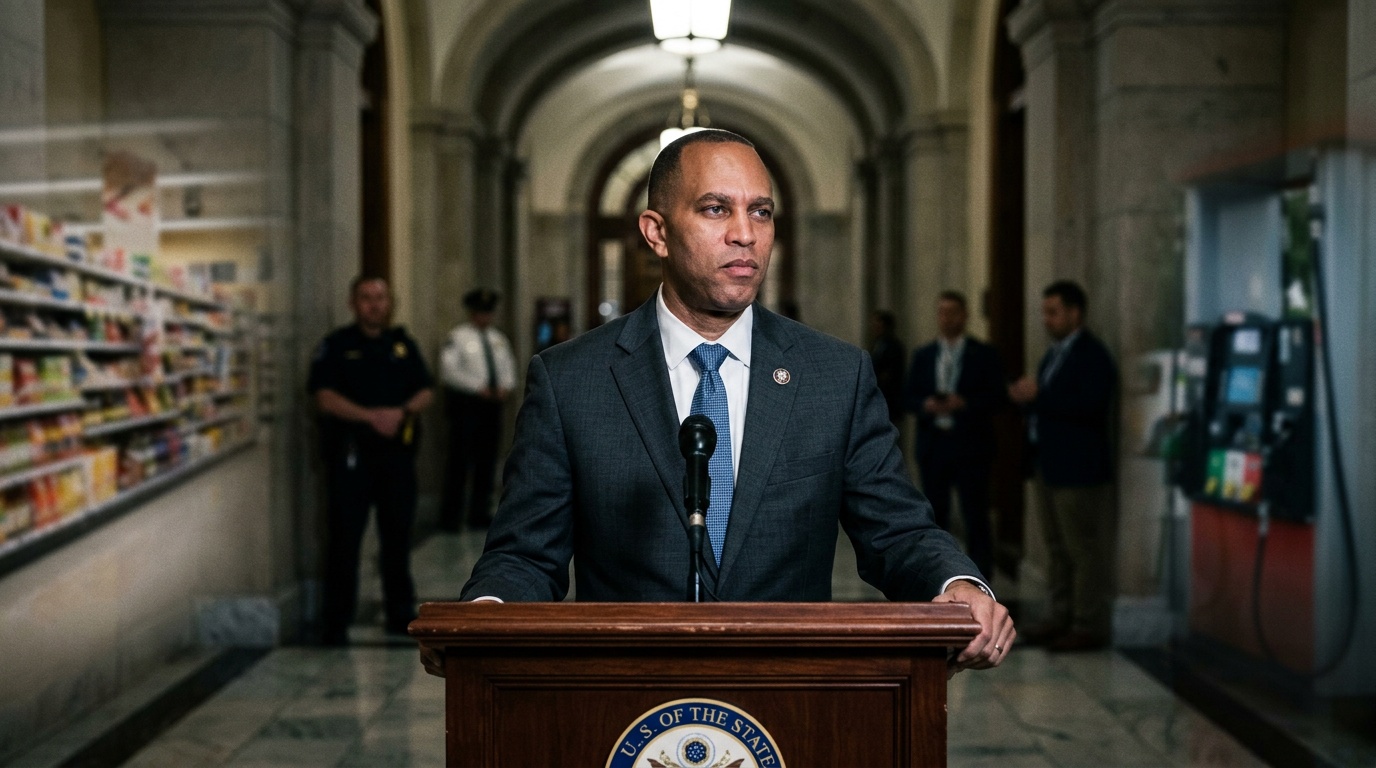
Hakeem Jeffries Torches Trump and Republicans Over Rising Gas, Grocery, Housing and Health Costs: 'America Is Way Too Expensive'
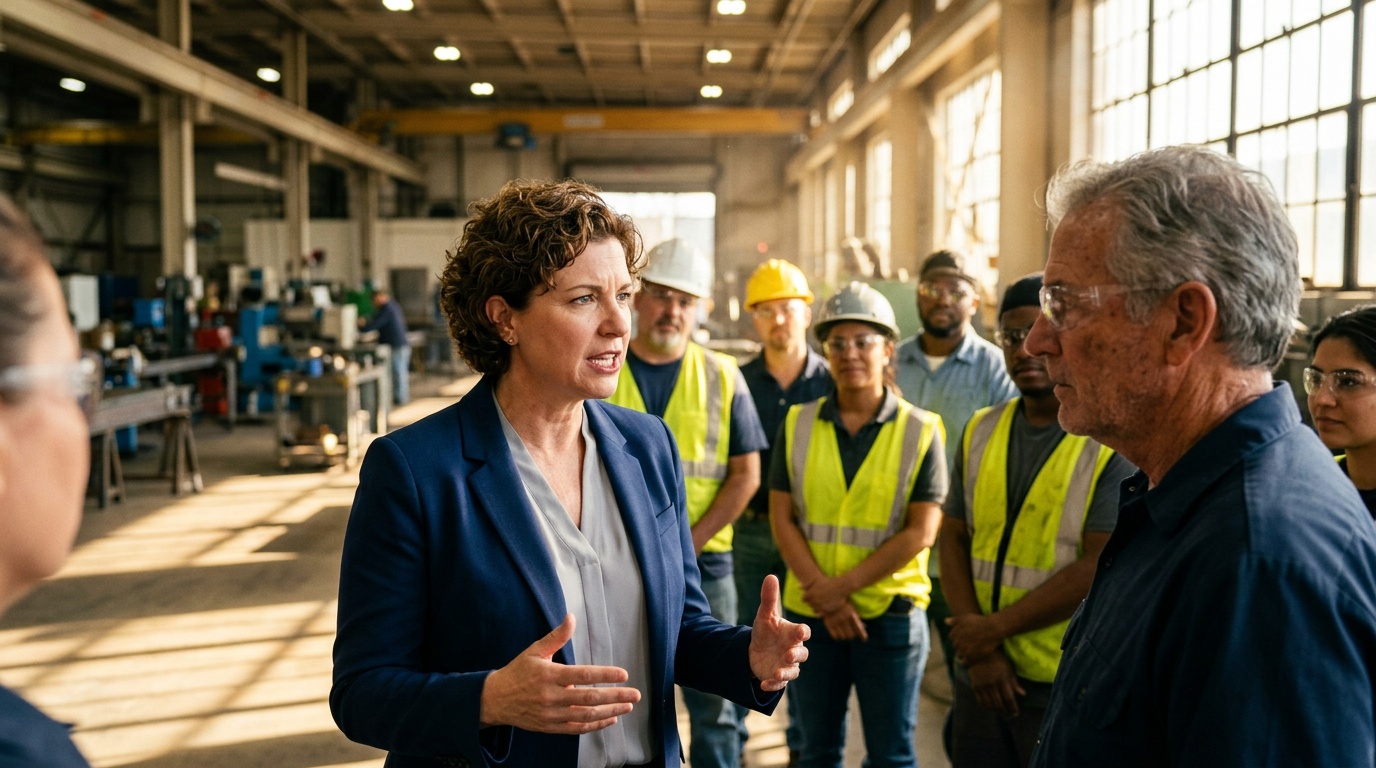
Elissa Slotkin Calls for 'Legal, Vetted Immigrants' to Help US Economy: 'We're Getting Older'
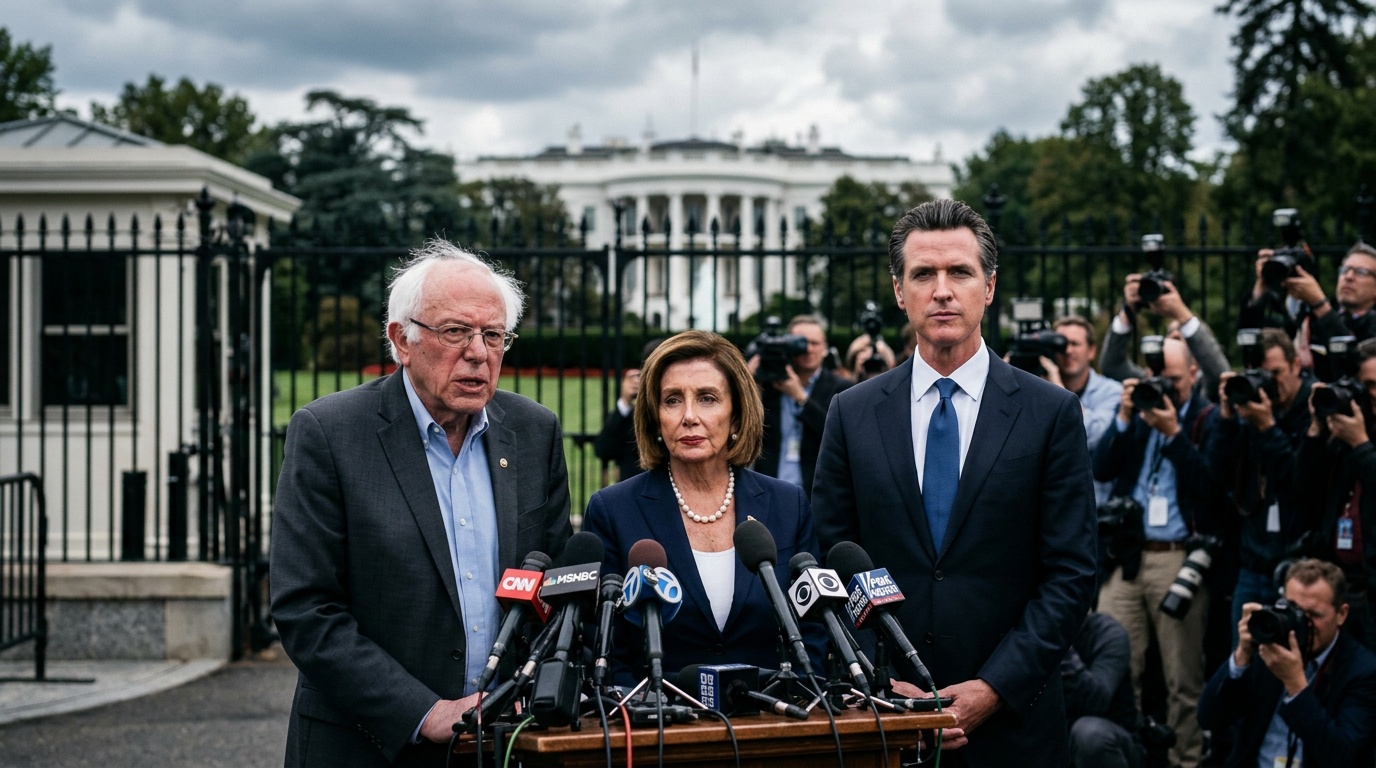
Sanders, Pelosi and Newsom Blast Trump's White House Press Ban: 'We Will Not Accept Authoritarianism'

Macron Meets Carney Amid Trump Map Row, Sanders Slams Trump's Ban On Reporters and More: This Week in Politics
Get Market News Alerts
Real-time alerts on price moves, news, and trading opportunities.
Join 20,000+ investors. No spam, ever.
Featured Articles
View all newsTrump Warns Iran of Economic Collapse or Worse, Tehran Threatens US Bases as Brent Sits at $102
By MarketDash
September 21, 2026

He Found Rolls-Royce Below $2. Now He’s Found His Second Unicorn. (Ad)
By The Oxford Club
Trump Wants to Rename AI Because 'Artificial Intelligence' Is 'Very Ineloquent' — And He's Letting the Internet Vote
By MarketDash
September 21, 2026
Elizabeth Warren Says 'We Will Win in November' — What Crypto Bettors Think About Democrats' Midterm Odds
By MarketDash
September 21, 2026
US-Greenland Deal Opens a Rare Earth Frontier, But the Arctic Doesn't Do Easy
By MarketDash
September 20, 2026
Hakeem Jeffries Torches Trump and Republicans Over Rising Gas, Grocery, Housing and Health Costs: 'America Is Way Too Expensive'
By MarketDash
September 20, 2026
Elissa Slotkin Calls for 'Legal, Vetted Immigrants' to Help US Economy: 'We're Getting Older'
By MarketDash
September 20, 2026
Sanders, Pelosi and Newsom Blast Trump's White House Press Ban: 'We Will Not Accept Authoritarianism'
By MarketDash
September 20, 2026