






The U.S. Mint has officially stopped making pennies. Not because anyone asked nicely, but because the math finally became too ridiculous to ignore. According to the Mint's own fact sheet, it now costs 3.69 cents to produce each one-cent coin—up from 1.42 cents in earlier years. The Treasury Department took one look at those numbers and decided enough was enough.
The Penny Is Dead (Sort Of): Why the U.S. Mint Just Pulled the Plug
MarketDash
The U.S. Mint has stopped making new pennies after production costs ballooned to nearly four cents per coin. Your existing pennies still work as money, but the supply will slowly dwindle as coins wear out and vanish into couch cushions.
Get Market Alerts
Weekly insights + SMS alerts
When Making Money Literally Loses Money
Here's the thing: the government has been losing money on every penny for years. The Mint has long reported that production and distribution costs exceed the coin's face value, which means taxpayers have been subsidizing a money-losing operation with every batch of new pennies. The Treasury Secretary finally exercised legal authority under 31 U.S. Code 5111 and 5112 to suspend production after determining that new one-cent coins "are no longer needed" to meet the country's needs.
The decision should save roughly $56 million per year in production costs, according to the Mint.
Your Pennies Still Work Just Fine
Before you panic about your change jar, the Mint is clear on this point: "The penny remains legal tender and may still be used for transactions." No one is canceling the penny as money. You can still spend them, deposit them at banks, or hoard them in a giant container like you probably already do.
What will change is the supply. Pennies already in circulation will gradually disappear as they wear out or get lost. In fiscal 2024 alone, before the suspension took effect, the Mint produced about 3.2 billion pennies—representing 57% of its total circulating coin output. That pipeline has now been shut off.
Retailers Can Still Say No Thanks
There's a catch, though. The Federal Reserve points out that "no federal statute mandates that a private business, a person, or an organization must accept currency or coins." Translation: stores can decide for themselves whether they want to keep dealing with pennies in cash transactions. Don't be surprised if more retailers start rounding to the nearest nickel or pushing card payments.
If you're a collector, the Mint plans to continue issuing limited commemorative versions of the penny. So the coin isn't completely extinct—it's just retiring from everyday circulation.
More News

Trump Threatens To 'Annihilate' Iran If No Peace Deal Lands; Brent Crude Creeps Toward $100

Nasdaq 100 Notches First Record Since June as AI Trade Roars, Banks Get Crushed
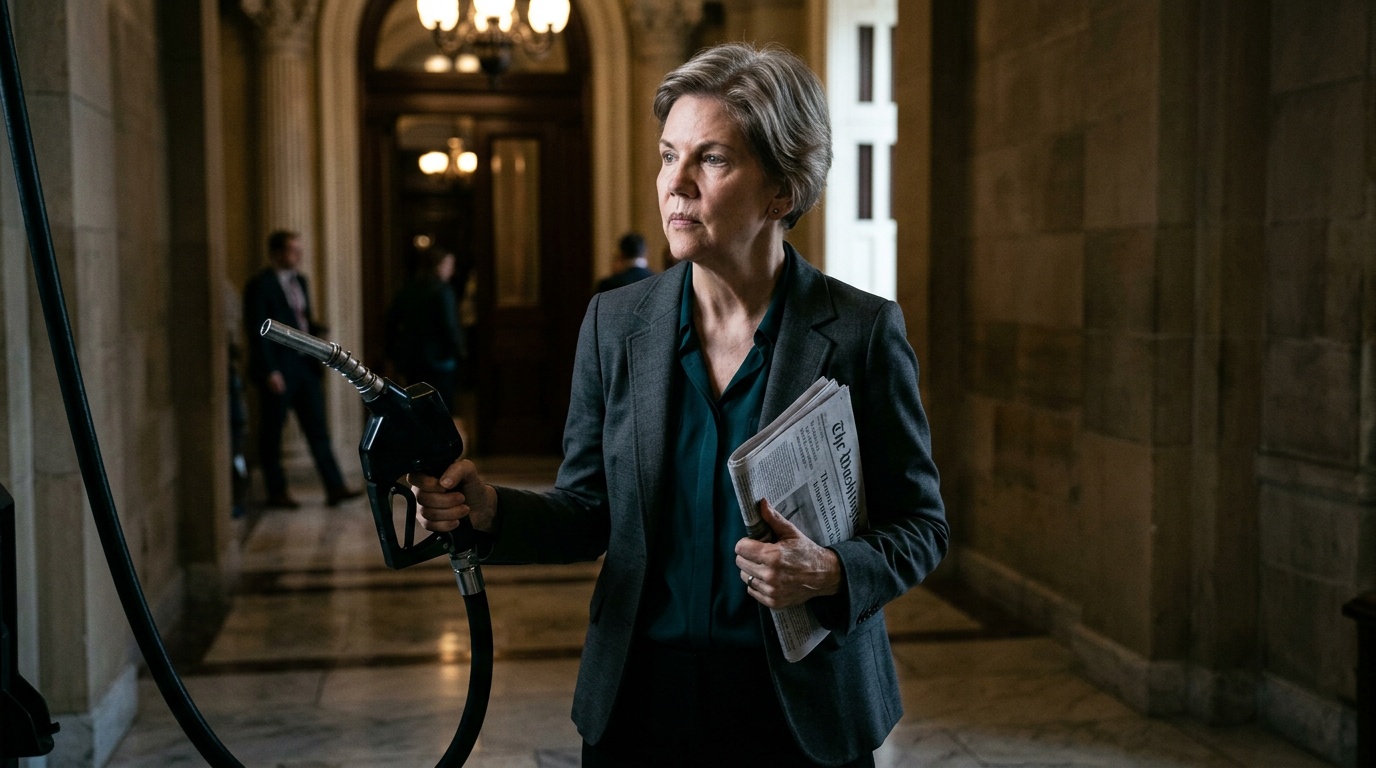
Elizabeth Warren Tallies Trump's Oil And Gas Gains During Iran War As Americans Pay More At The Pump: Ban President From 'Owning And Trading Stock'

Meta's Muse Beats ChatGPT's Early Download Pace: Is Zuckerberg's AI Bet Finally Paying Off?

Michael Burry Bets Against the Memory Boom: These ETFs Could Be Exposed if He's Right
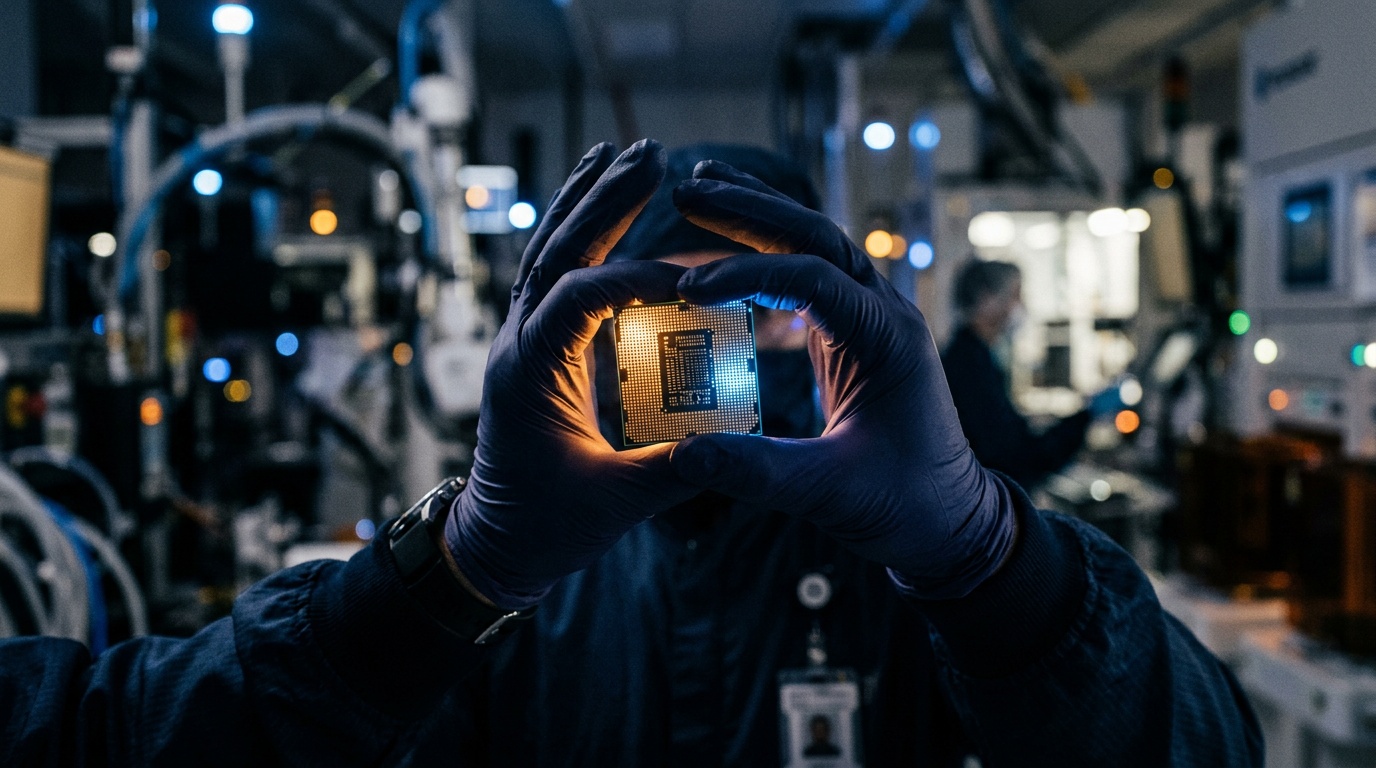
Nasdaq 100 Eyes Best 4-Year Run Since 1999 as Memory Stocks Do the Heavy Lifting

SoFi and Mastercard Flip the Switch on Stablecoin Settlement for a $25 Billion Card Program

Trump Backs Diesel Export Ban, But Analyst Warns Relief May Stay Stuck in the Gulf: 'Really Nervous'
Get Market News Alerts
Real-time alerts on price moves, news, and trading opportunities.
Join 20,000+ investors. No spam, ever.
Featured Articles
View all newsTrump Threatens To 'Annihilate' Iran If No Peace Deal Lands; Brent Crude Creeps Toward $100
By MarketDash
September 23, 2026
Nasdaq 100 Notches First Record Since June as AI Trade Roars, Banks Get Crushed
By MarketDash
September 22, 2026
Elizabeth Warren Tallies Trump's Oil And Gas Gains During Iran War As Americans Pay More At The Pump: Ban President From 'Owning And Trading Stock'
By MarketDash
September 23, 2026
Meta's Muse Beats ChatGPT's Early Download Pace: Is Zuckerberg's AI Bet Finally Paying Off?
By MarketDash
September 22, 2026
Michael Burry Bets Against the Memory Boom: These ETFs Could Be Exposed if He's Right
By MarketDash
September 22, 2026
Nasdaq 100 Eyes Best 4-Year Run Since 1999 as Memory Stocks Do the Heavy Lifting
By MarketDash
September 22, 2026
SoFi and Mastercard Flip the Switch on Stablecoin Settlement for a $25 Billion Card Program
By MarketDash
September 22, 2026
Trump Backs Diesel Export Ban, But Analyst Warns Relief May Stay Stuck in the Gulf: 'Really Nervous'
By MarketDash
September 23, 2026