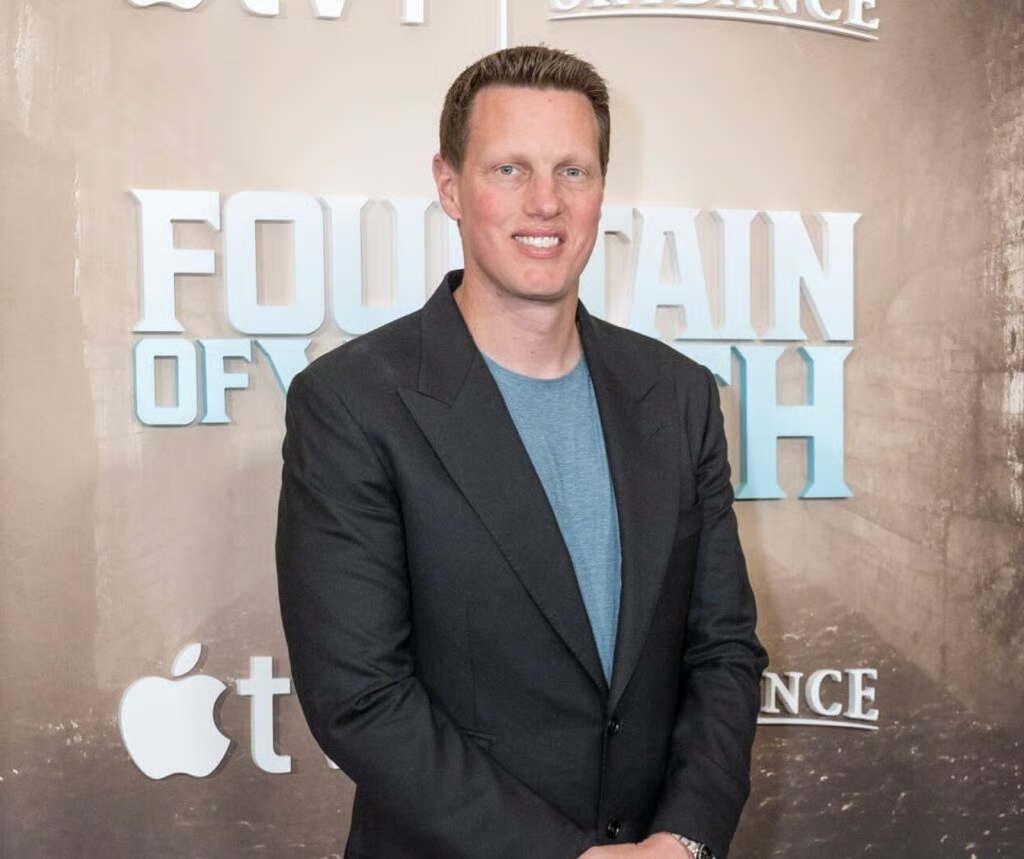
So here's David Ellison, CEO of Paramount Skydance (PSKY), standing in front of a bunch of theater owners in Las Vegas, trying to convince everyone that Hollywood isn't about to get smaller. He's there because his company wants to buy Warner Bros. Discovery (WBD) in a deal worth roughly $110 billion, and regulators are starting to ask some tough questions. Ellison's pitch? More movies, not fewer.
At CinemaCon on Thursday, Ellison pledged that the combined studio would release at least 30 films a year, with a minimum 45-day exclusive run in theaters. That's his way of saying, "Don't worry, the movies aren't going anywhere." He even capped it off with a little rallying cry: "Long live the movies." It's a theatrical-first strategy aimed at building franchises that can later spin off into streaming, licensing, and all that other stuff. Because, as Ellison sees it, cinemas are still the best launchpad for the next big thing.
Skipping Washington, But the Scrutiny Didn't
Ellison's Vegas trip came right after he missed a U.S. Senate antitrust hearing in Washington, where lawmakers like Sen. Cory Booker were digging into the competitive impact of this merger. His company said he couldn't make it due to a death in the family, but the hearing went on without him. Witnesses warned about reduced competition, job losses, and weaker bargaining power for creatives—pretty much the standard fears when two big studios try to become one.
The deal has Hollywood split. Critics, including filmmakers and labor groups, argue that combining Paramount Skydance and Warner Bros. Discovery could mean fewer films get made and opportunities dry up across the industry. Supporters, on the other hand, say you need this kind of scale to compete with the deep-pocketed streaming giants. It's the classic consolidation debate: Is bigger better, or just more dangerous?
A Pledge for Regulators and Theater Owners
Ellison's message in Las Vegas wasn't just for the popcorn crowd. It was carefully aimed at regulators and theater owners alike. By committing to a robust theatrical slate and those exclusive windows, he's trying to counter one of the biggest criticisms of media mergers: that they lead to fewer films hitting cinemas. Remember when everyone was all-in on streaming growth? Now studios are refocusing on profitability, and theatrical releases are back in vogue as a way to generate real returns and build IP that lasts.
So when Ellison says "long live the movies," he's not just being nostalgic. He's making a business case. Cinemas, in his view, are the engine that drives everything else. And with regulators watching closely, that's a case he needs to sell.