






The weekend brought a flurry of economic developments, from ambitious trade deals to growing concerns about flying blind without official government data. Here's what you need to know.
Economic Roundup: Trump's Tariff Dividend, Swiss Trade Deal, and a Market Without Data
MarketDash
From Trump's proposed $2,000 dividend checks to a $200 billion Swiss trade agreement, here's what shaped economic headlines this week while crucial government data remains dark.
Get Market Alerts
Weekly insights + SMS alerts
The Math Behind Trump's $2,000 Checks
President Donald Trump's proposed $2,000 "tariff dividend" sounds appealing until you look at the price tag. The Committee for a Responsible Federal Budget crunched the numbers and found the plan would run about $600 billion per year—roughly twice what Trump's new tariffs are projected to bring in. Over ten years, we're talking about adding $6 trillion to federal deficits. It's the kind of math problem that makes budget analysts nervous.
When Economic Data Goes Dark
Economist Mohamed El-Erian isn't happy about the Trump administration's decision to skip publishing the October Consumer Price Index and jobs report. His concern? Without authoritative data, markets and policymakers are left guessing about the economy's actual condition. That information vacuum breeds suspicion and makes it harder for everyone to make informed decisions.
A $200 Billion Swiss Deal
President Trump announced a trade framework with Switzerland and Liechtenstein designed to wipe out the $38.5 billion goods trade deficit by 2028. The agreement also includes pledges for at least $200 billion in U.S. investment. This follows Trump's August decision to slap 39% tariffs on Swiss imports, so you can view this deal as either the carrot after the stick or proof that the stick worked, depending on your perspective.
Goldman's Crystal Ball
Goldman Sachs is feeling optimistic about U.S. stocks, projecting the S&P 500 will hit 9,000 by 2030 and 11,100 by 2035. That's solid growth, but here's the twist: the investment bank sees even stronger returns overseas, particularly in faster-growing emerging markets. Sometimes the best American investment story involves looking beyond American borders.
Reading Economic Tea Leaves
With the government shutdown now in its second month, we're still not getting comprehensive data from federal agencies like the Bureau of Labor Statistics. But private sector trackers are filling the void, and their message is consistent: the labor market keeps cooling. That's raising legitimate worries about whether the economy might tip into recession. When you can't see the official numbers, you work with what you've got.
More News
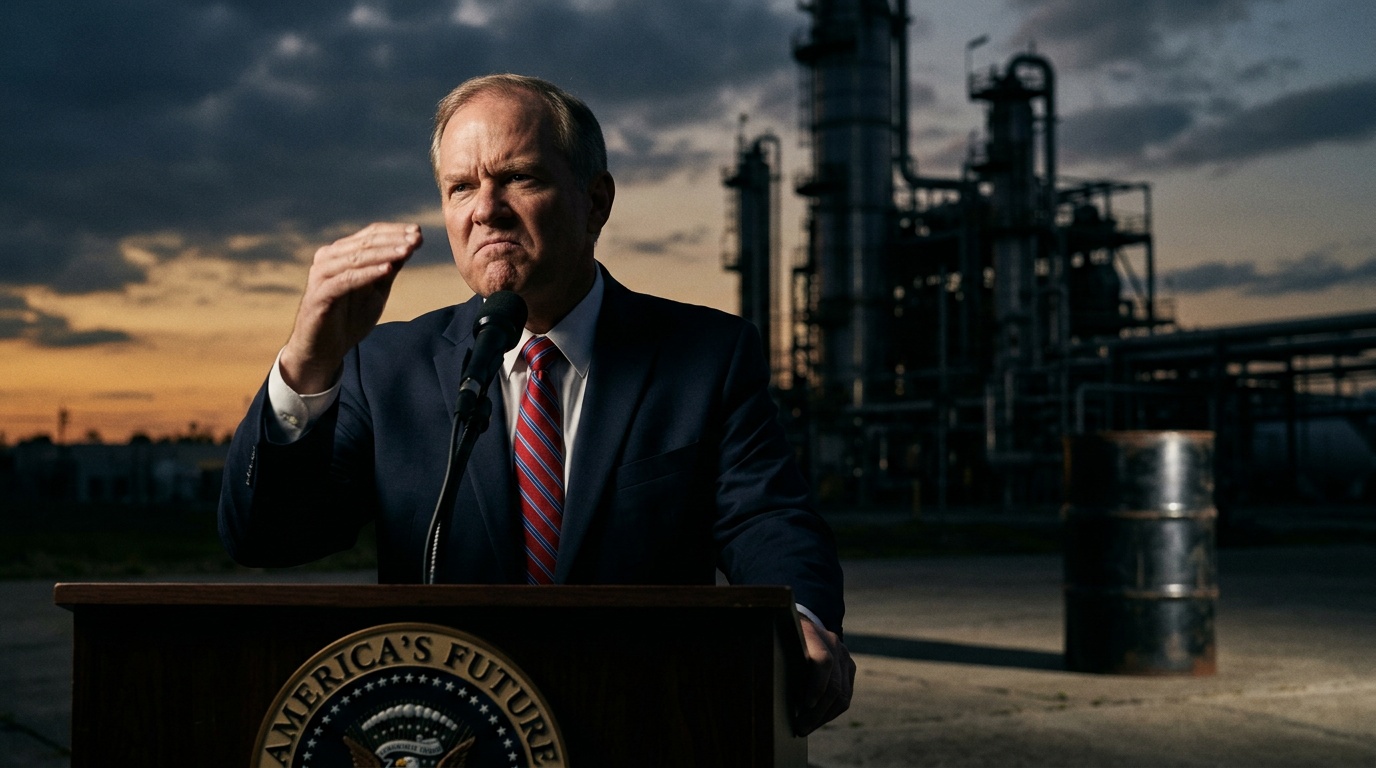
Trump Threatens To 'Annihilate' Iran If No Peace Deal Lands; Brent Crude Creeps Toward $100

Nasdaq 100 Notches First Record Since June as AI Trade Roars, Banks Get Crushed
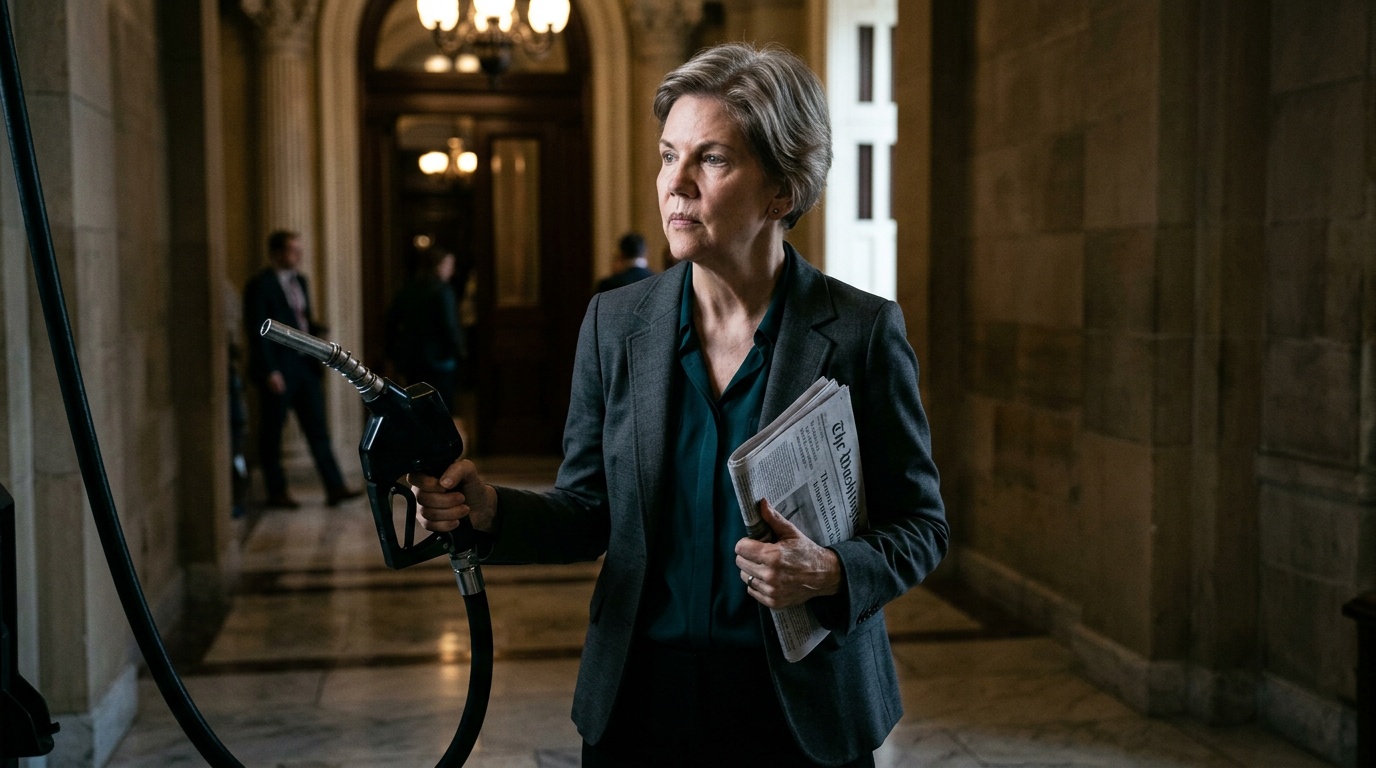
Elizabeth Warren Tallies Trump's Oil And Gas Gains During Iran War As Americans Pay More At The Pump: Ban President From 'Owning And Trading Stock'

Meta's Muse Beats ChatGPT's Early Download Pace: Is Zuckerberg's AI Bet Finally Paying Off?
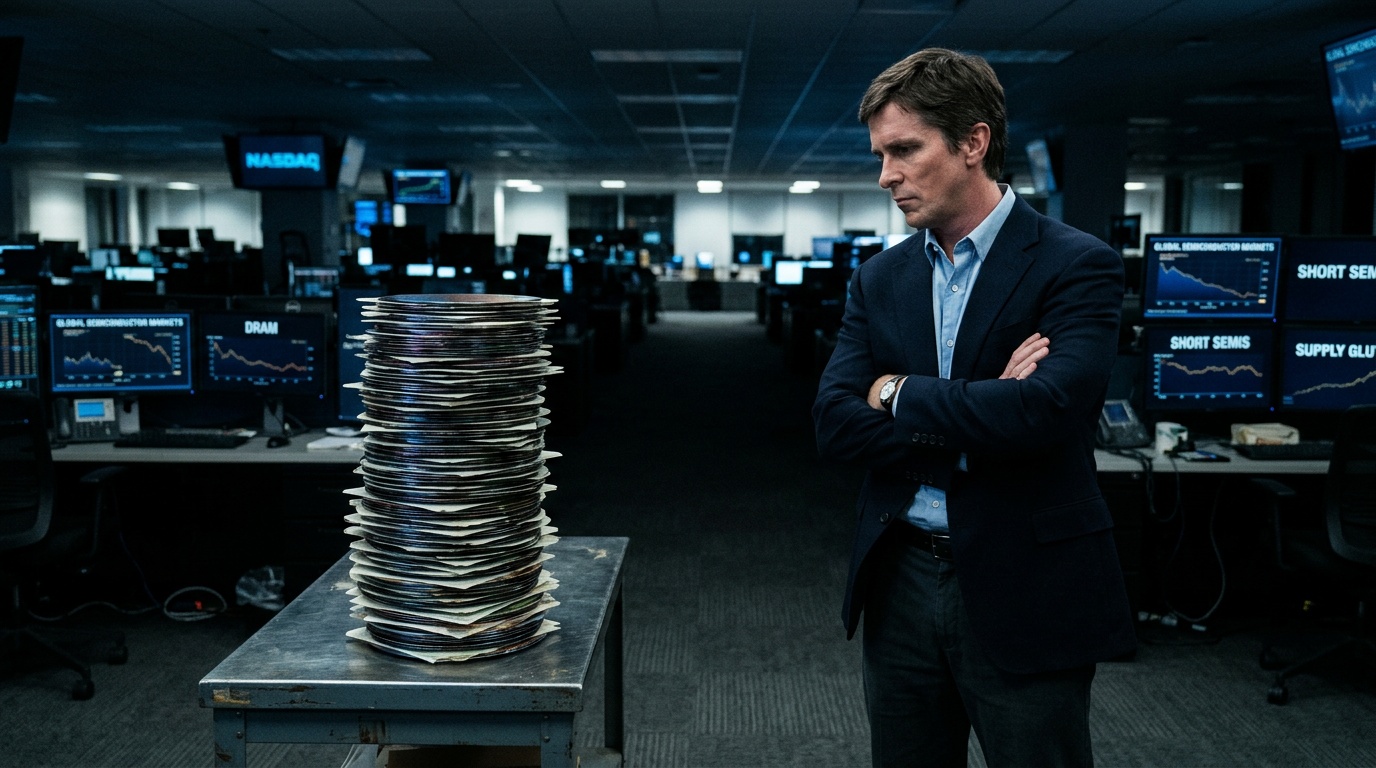
Michael Burry Bets Against the Memory Boom: These ETFs Could Be Exposed if He's Right
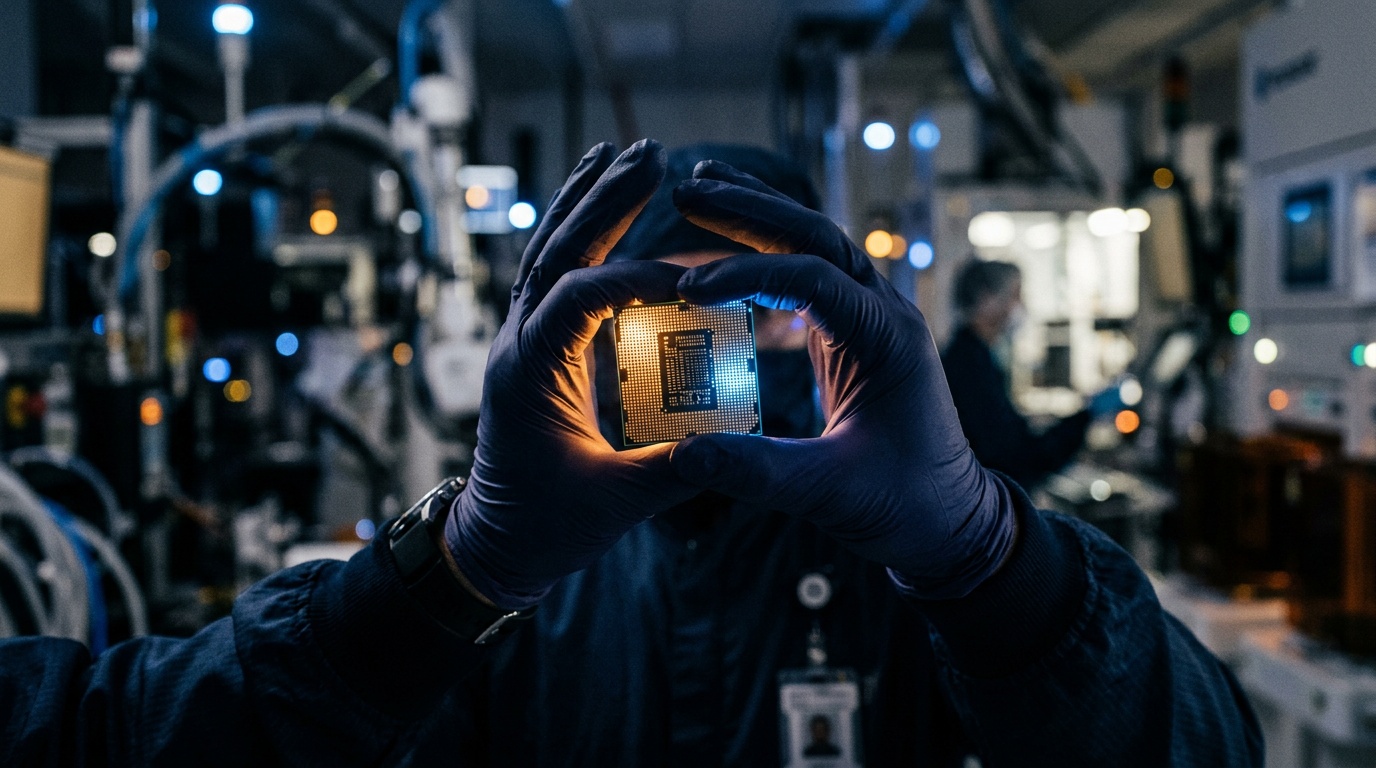
Nasdaq 100 Eyes Best 4-Year Run Since 1999 as Memory Stocks Do the Heavy Lifting

SoFi and Mastercard Flip the Switch on Stablecoin Settlement for a $25 Billion Card Program

Trump Backs Diesel Export Ban, But Analyst Warns Relief May Stay Stuck in the Gulf: 'Really Nervous'
Get Market News Alerts
Real-time alerts on price moves, news, and trading opportunities.
Join 20,000+ investors. No spam, ever.
Featured Articles
View all newsTrump Threatens To 'Annihilate' Iran If No Peace Deal Lands; Brent Crude Creeps Toward $100
By MarketDash
September 23, 2026
Nasdaq 100 Notches First Record Since June as AI Trade Roars, Banks Get Crushed
By MarketDash
September 22, 2026
Elizabeth Warren Tallies Trump's Oil And Gas Gains During Iran War As Americans Pay More At The Pump: Ban President From 'Owning And Trading Stock'
By MarketDash
September 23, 2026
Meta's Muse Beats ChatGPT's Early Download Pace: Is Zuckerberg's AI Bet Finally Paying Off?
By MarketDash
September 22, 2026
Michael Burry Bets Against the Memory Boom: These ETFs Could Be Exposed if He's Right
By MarketDash
September 22, 2026
Nasdaq 100 Eyes Best 4-Year Run Since 1999 as Memory Stocks Do the Heavy Lifting
By MarketDash
September 22, 2026
SoFi and Mastercard Flip the Switch on Stablecoin Settlement for a $25 Billion Card Program
By MarketDash
September 22, 2026
Trump Backs Diesel Export Ban, But Analyst Warns Relief May Stay Stuck in the Gulf: 'Really Nervous'
By MarketDash
September 23, 2026