Sen. Mark Kelly (D-Ariz.) has a message about the reported relationship between a suspected Chinese intelligence operative and Nvidia Corp. (NVDA) CEO Jensen Huang: this is not a small thing. In a post on X on Tuesday, Kelly called the alleged access a "serious national security problem" and urged authorities to "get to the bottom of it."
Speaking to MSNBC, Kelly laid out how Chinese intelligence could exploit relationships with influential technology executives to gather sensitive information about America's technology ecosystem. The concern is not just about chips. It is about people, networks and the quiet connections that make an intelligence operation work.
How China Could Exploit Nvidia CEO's Connections
Kelly said a suspected spy could use access to Huang to learn about industry contacts, technology suppliers and relationships within the Defense Department. From there, China's Ministry of State Security could use those connections to build a broader intelligence network and identify additional targets.
"One person leads to another person," Kelly said, adding that intelligence agencies could gradually piece together "a lot of very critical information."
Kelly argued that Beijing's ultimate goal was not simply to obtain advanced American chips but to develop the technology independently. In other words, the prize is not a shipment of hardware. It is the know-how and the network behind it.
Earlier Scrutiny Over Nvidia's China Ties
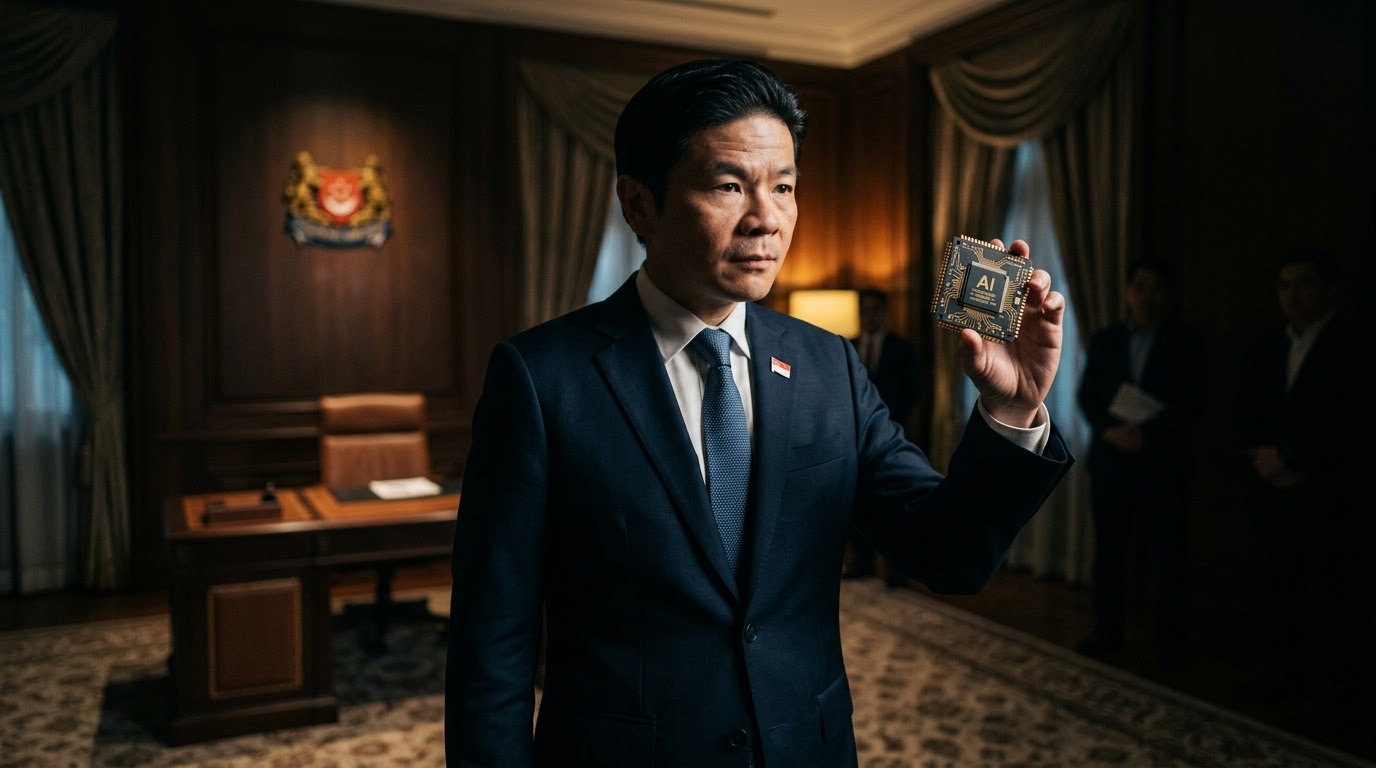
The timing is notable. Also on Tuesday, Singapore Prime Minister Lawrence Wong said his government needed more information from U.S. authorities to trace Nvidia chips purchased by Megaspeed and routed through Singapore to other countries.
Megaspeed has also faced scrutiny over alleged efforts to circumvent U.S. export controls on advanced AI chips. Nvidia placed the company on its no-sell list in June 2025, while U.S. and Singaporean investigations into the matter continue.
Earlier this month, three Republican lawmakers sought a briefing with Huang over his reported interactions with Alice Huang, a suspected Chinese intelligence asset, raising concerns about potential national security risks. Last month, U.S. officials reportedly identified Alice Huang as a Chinese intelligence asset suspected of passing information to Beijing.
Nvidia has denied any security breach or chip diversion.
US-China Trade and Technology Tensions
The broader backdrop is a U.S.-China relationship that keeps finding new pressure points in technology. Earlier, Microsoft Corp. (MSFT) urged the Donald Trump administration to drop a proposed ban on Chinese data center technology, warning of supply-chain disruptions and risks to America's AI lead.
Treasury Secretary Scott Bessent and Chinese Ambassador Xie Feng also called for continued trade engagement while emphasizing national interests and mutual benefits.
For investors, the Nvidia story has always been about demand for AI chips. But this latest thread is a reminder that the company sits at the intersection of commerce and national security, where a single relationship can draw congressional attention and where the line between a business contact and an intelligence concern is not always obvious.